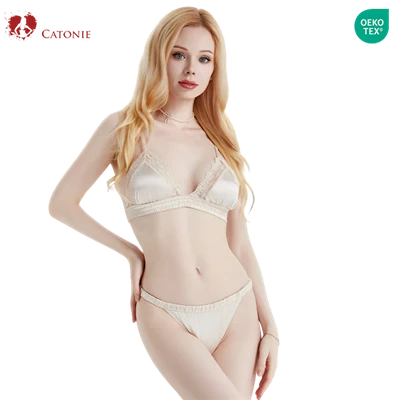
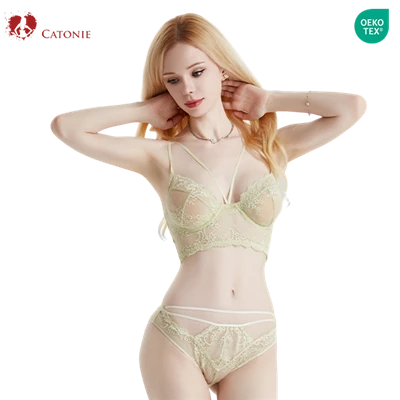
The comfort of underwear depends heavily on the fabric, often more than its appearance. A garment may feel soft when it first arrives, but that does not mean it will remain comfortable after a full day of wear. Some fabrics feel gentle against the skin but can become warm and stuffy, while others offer good stretch but start to lose their shape after several washes. For lingerie brands, developing comfortable products requires more than checking the fabric composition. Style, wearing conditions, and production performance also matter. Cotton, modal, lyocell, and nylon blends are all common options, but each has its own characteristics. Choosing the right lingerie fabric can improve the wearing experience and help establish a clearer product identity.

What Are the Best Skin-Friendly Fabrics for Lingerie? Common Materials to Consider
When developing skin-friendly lingerie, it makes sense to start with the qualities consumers notice most: softness, breathability, and a comfortable fit. Different fabrics have noticeably different textures and suit different products. The following materials are useful starting points when selecting fabrics for a new lingerie collection.
- Cotton fabric: Offers a natural feel and works well for everyday panties, bra linings, and basic lingerie. Check for shrinkage and changes in shape after washing.
- Modal fabric: Soft and smooth to the touch, making it suitable for lightweight lingerie, panties, and loungewear designed to feel gentle against the skin.
- Lyocell fabric: Has a smooth surface and generally good moisture absorption. It can be used for camisoles, sleepwear, and some mid-to-high-end lingerie styles.
- Nylon and spandex blends: Generally provide good stretch and recovery, making them suitable for seamless lingerie, sports bras, and other styles that require a close fit.
These materials are not direct substitutes for one another. Cotton works well for everyday basics, modal emphasizes softness, lyocell suits designs that call for a refined texture, and nylon blends are useful when elasticity is a priority. Brands can narrow their fabric choices by identifying the qualities they want their products to deliver, rather than choosing a popular material without considering its actual use.
What Is the Difference Between Modal, Cotton, and Lyocell for Lingerie?
These three fibers are often compared, but their feel and performance can differ once they are made into fabric. Cotton tends to offer a natural feel, modal is often softer and smoother, and lyocell is commonly used in products that emphasize a refined texture and fluid drape. The comparison below can help brands identify suitable options before checking fabric samples.
|
Fabric Type |
Texture and Characteristics |
Suitable Products |
Key Considerations |
|
Cotton |
Natural and soft |
Basic panties, bra linings |
Shrinkage and dimensional stability |
|
Modal |
Soft and smooth |
Lightweight lingerie, panties, loungewear |
Pilling and changes in hand feel after washing |
|
Lyocell |
Smooth with a good drape |
Camisoles, sleepwear, lightweight lingerie |
Abrasion resistance and care requirements |
|
Nylon blends |
Close-fitting with good elasticity |
Seamless lingerie, sports bras |
Stretch recovery and breathability |
Keep in mind that fabrics made from the same fiber can still feel quite different. Yarn thickness, fabric construction, weight, and dyeing and finishing processes all affect the final result. When fabric samples arrive, brands should check both sides of the material, its stretch performance, and its condition after washing. A composition label alone is not enough to determine whether a fabric is suitable for bulk production.
How Do You Test Skin-Friendly Lingerie Fabrics? What Should You Check During Sampling?
A fabric that feels comfortable in the hand has only passed the first test. Once it becomes a finished garment, it must go through cutting, sewing, wearing, and washing, all of which can affect its original softness. Poor stretch recovery may cause the waistband or underband to loosen, while stiff binding or rough seams can irritate the skin even when the main fabric feels soft. During sampling, brands should pay attention to the following details:
- Repeated stretching: Check whether the fabric becomes loose and whether it returns to its original shape.
- Washing tests: Look for shrinkage, color changes, and differences in hand feel after washing.
- Wear trials: Check whether seams, elastic bands, or binding create friction or pressure.
- Movement tests: Raise the arms, sit down, and walk around to see whether the fabric rolls or shifts out of place.
Whenever possible, test the fabric in a sample garment made from the actual product pattern instead of simply stretching a piece of material by hand. For everyday panties, for instance, the gusset lining, waistband elastic, and leg openings deserve as much attention as the main fabric. Testing these details together provides a more reliable picture of whether the finished garment is comfortable for extended close-to-skin wear.
What Should Brands Consider When Customizing Skin-Friendly Lingerie Fabrics?
For lingerie brands preparing to launch a new collection, fabric customization involves more than choosing a fiber. Color, thickness, elasticity, processing methods, and consistency during mass production all need to be considered. Brands with existing designs or tech packs can organize their fabric composition requirements, desired hand feel, intended product use, and target price before discussing material options with the development team. If the material has not yet been decided, comparing samples based on the product's positioning is a practical way to narrow the choices.
CATONIE has provided lingerie OEM manufacturing services since 2013 and has gradually expanded its ODM product development capabilities. Based on a brand's design concept or technical requirements, the team can handle fabric matching, sample development, and production coordination. During development, brands can approve fabric samples, test finished garments for comfort and post-wash performance, and then select materials suitable for bulk production. If you are planning a new skin-friendly lingerie collection, feel free to contact us and share your designs, reference samples, or product requirements. We can help match the fabric to your intended style and prepare the collection for production.