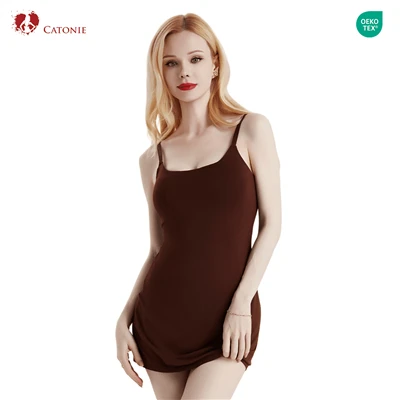
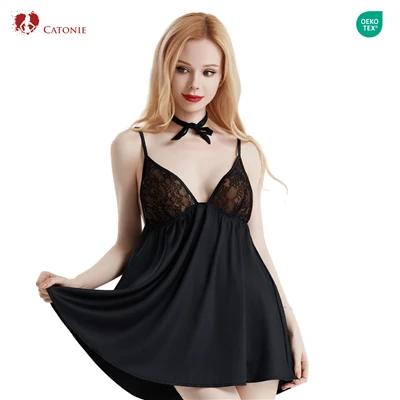
Lingerie, being the closest layer to the skin, directly affects comfort, breathability, support, and overall wearing experience. There are many types of fabrics available, ranging from natural fibers to functional blends, each with unique advantages and suitable scenarios. Understanding these differences helps you choose lingerie that meets your needs, making daily wear both comfortable and practical while enhancing overall quality of life. This article examines four common lingerie fabric types-cotton, modal, silk, and lace/functional blends-to explain their characteristics and distinctions.

Cotton: A Natural and Comfortable Basic
Cotton, made from natural fibers, is widely used in everyday lingerie for its comfort and breathability.
- Gentle and skin-friendly: Ideal for sensitive skin, minimizing irritation.
- Good moisture absorption and breathability: Effectively wicks sweat and keeps you dry.
- Soft texture: Comfortable to wear without causing friction.
- Suitable for long-term daily wear: Performs reliably at home or at work.
Modal: Soft and Body-Conforming
Modal is known for its smoothness and elasticity, offering higher comfort than cotton.
- Fine and silky fibers: Softer touch with excellent close-fitting performance.
- Good elasticity for natural fit: Adapts to body curves and reduces marks.
- Balanced breathability and moisture absorption: Maintains comfort and dryness.
- Ideal for close-fitting base layers: Provides a smooth and natural fit under clothing.
Silk: Lightweight and Luxurious
Silk's natural protein fiber structure gives it a smooth, light, and skin-friendly feel.
- Smooth surface reduces friction: Soft touch minimizes skin irritation.
- Naturally breathable and temperature-regulating: Suitable for summer or varying climates.
- Good moisture absorption: Quickly absorbs sweat and releases moisture to stay dry.
- Enhances texture and appearance: Natural sheen adds a premium look to lingerie.
Lace and Functional Blends: Combining Beauty and Performance
Lace and functional blends use design and technology to balance comfort, aesthetics, and support.
- Perforated designs improve breathability: Enhance airflow to reduce heat buildup.
- Elastic fibers enhance support: Provide stability while keeping fabric lightweight.
- Quick-dry and antibacterial properties improve comfort: Maintain dryness and hygiene.
- Multi-material combination achieves comprehensive benefits: Balances breathability, softness, durability, and aesthetics.
Different lingerie fabrics have distinct advantages and disadvantages, affecting comfort, breathability, and visual appeal. Cotton emphasizes natural comfort, modal excels in softness and fit, silk provides a lightweight and smooth feel, while lace and functional blends balance beauty and functionality. Choosing the right fabric based on your habits, activity level, and season can help achieve the ideal balance of comfort, practicality, and style, ensuring each piece of lingerie delivers a satisfying wearing experience.