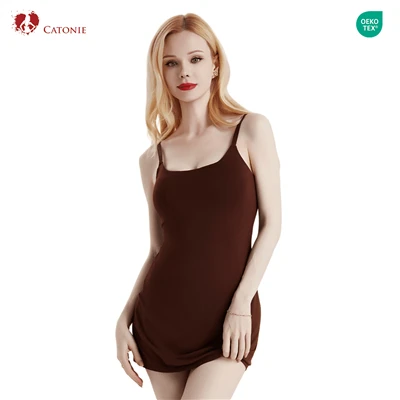
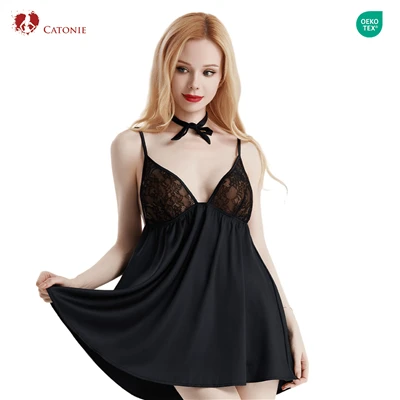
As consumers pay more attention to healthy wearing and green lifestyles, the choice of lingerie fabrics is also changing. In the past, many people focused mainly on styles and prices when purchasing lingerie. Today, factors such as fabric comfort, skin-friendly performance, and environmentally responsible production have become important considerations. Eco-friendly lingerie fabrics are gradually being used in more products due to their natural sources, soft touch, and sustainable characteristics. For lingerie brands, choosing suitable eco-friendly materials can improve product quality while meeting consumers' needs for comfort, safety, and environmental responsibility.

Natural Plant-Based Fiber Fabrics Create a Comfortable Skin-Friendly Experience
Natural plant-based fibers are one of the widely used types of eco-friendly lingerie fabrics. They mainly come from plant resources such as cotton, bamboo, and hemp. These fabrics usually feature softness, breathability, and skin-friendly properties, making them suitable for lingerie products worn close to the body for long periods. Since lingerie directly touches the skin, fabric comfort has a direct impact on the overall wearing experience, which is why natural fibers continue to receive attention.
Common natural plant-based fiber fabrics include:
- Organic cotton fabric, which reduces certain chemical treatments and provides a softer, more natural feel.
- Bamboo fiber fabric, offering good breathability and moisture absorption performance.
- Hemp fiber fabric, featuring a lightweight texture suitable for hot seasons.
The advantage of natural plant-based fibers is their natural wearing feel while meeting consumers' demand for environmentally friendly products. These materials are commonly used in basic lingerie, panties, and loungewear, creating a more relaxed wearing experience. However, different plant fibers have different performance characteristics, so material combinations need to match the product positioning.
Regenerated Fiber Fabrics Balance Sustainability and Comfort
With the development of textile technology, regenerated fibers have become increasingly popular in the lingerie industry. These fabrics are usually processed from natural raw materials, maintaining a soft texture while reducing dependence on traditional resources. Compared with some conventional fabrics, regenerated fibers achieve a better balance between comfort and environmental benefits.
Common regenerated fiber fabrics include:
- Modal fabric, featuring a soft and smooth feel, suitable for everyday lingerie and panties.
- Tencel fabric, with good breathability and a delicate texture.
- Lyocell fiber, offering strong moisture absorption and comfortable wearing performance.
- Regenerated fiber blends, improving fabric stability and durability.
The development of regenerated fibers provides more options for eco-friendly lingerie. Consumers can enjoy a soft and comfortable wearing experience while also supporting more sustainable product concepts. For brands, these fabrics can help create differentiated products and improve market competitiveness.
Functional Eco-Friendly Fabrics Combine Comfort and Performance
Eco-friendly lingerie fabrics are not only about natural materials. Modern consumers also have higher expectations for lingerie functionality. As a result, functional fabrics that combine sustainable concepts with textile technology have gradually appeared, providing lingerie products with better practical performance.
Functional eco-friendly fabrics usually offer:
- Good elasticity to provide a better fit for body curves.
- Excellent breathability to reduce a stuffy feeling.
- Stable recovery performance to help maintain product shape.
These fabrics are commonly used in sports lingerie, seamless lingerie, and comfortable everyday underwear. By combining eco-friendly fibers with elastic materials, products can maintain a soft feel while improving wearing stability. For consumers who value both comfort and functionality, functional sustainable fabrics provide more choices.
Future Development Trends of Eco-Friendly Lingerie Fabrics
With continuous upgrades in the lingerie market, eco-friendly fabrics have become an important direction in product development. Consumers' expectations for lingerie are shifting from simply focusing on appearance to paying more attention to materials, safety, and wearing experience. The development of sustainable lingerie fabrics is also pushing the industry toward greener and more diverse solutions.
Future trends in eco-friendly lingerie fabrics include:
- More natural fibers being applied to close-fitting apparel.
- Continuous improvement of sustainable production technologies to reduce resource consumption.
- Combining multiple materials to improve comfort and functionality.
- Developing more specialized products for different consumer groups.
The development of eco-friendly fabrics is not simply about replacing traditional materials. It focuses on finding a better balance between comfort, appearance, safety, and sustainability. For lingerie brands, selecting the right fabrics can not only improve product quality but also strengthen consumers' recognition of the brand's values.
Eco-friendly lingerie fabrics are becoming increasingly diverse, from natural plant-based materials such as organic cotton and bamboo fiber, to regenerated fibers like modal and Tencel, as well as functional sustainable materials. High-quality lingerie fabrics not only influence wearing comfort but also reflect a brand's commitment to product quality and environmental responsibility. As consumers continue to focus on healthy lifestyles and green consumption, sustainable materials will play an increasingly important role in the future lingerie market, helping brands create products that are more comfortable, eco-friendly, and competitive.