When wearing a bra, some people may notice curling, flipping, or unevenness along the side panels. This not only affects comfort but may also impact the overall appearance under clothing. Many assume it is a quality issue, but bra side panel curling is usually related to improper sizing, bra design, fabric aging, and wearing habits. The side area is responsible for providing support and stability, and when pressure is distributed unevenly, curling can occur. Understanding the causes can help you choose a bra that fits you better.
An Incorrect Band Size Causes Uneven Pressure on the Side Panels
Many people focus more on cup size when purchasing a bra while overlooking the impact of the band size on overall stability. In reality, the band provides most of the support. Once the size is not suitable, the side panels can experience uneven pressure, leading to curling, deformation, or poor fit.
A Band That Is Too Tight Can Cause Excessive Compression
When the band size is too small, the bra continuously applies significant pressure to the body, especially around the side panels. Due to limited space, the fabric and side wing structure are subjected to constant tension, which may eventually lead to curling or deformation.
l The fabric remains under pressure for long periods and may curl inward.
l Curling may become more noticeable during daily activities.
A band that is too tight not only affects comfort but also increases the pressure placed on the side panels.
A Band That Is Too Loose Reduces Overall Stability
When support is insufficient, the side panels can also become prone to curling. Since the bra cannot stay securely against the body, it is more likely to shift and deform during daily movement. Over time, the side areas may begin to fold or curl.
l The bra can easily shift on the body.
l Without stable support, the side panels are more likely to fold.
l Curling may become more noticeable during increased movement.
Choosing the correct band size helps improve overall stability and reduces the likelihood of side panel curling.
Insufficient Side Wing Design and Structural Support
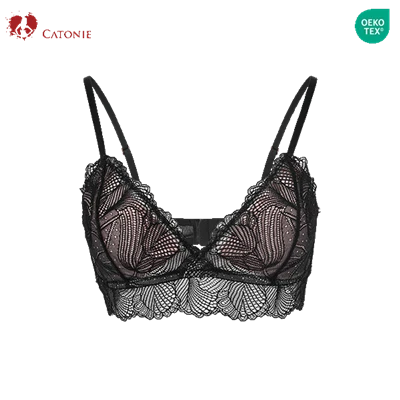
Differences in bra construction directly affect the stability of the side panels. Some bras feature narrow side wings that cannot effectively distribute breast weight and movement-related pressure. When pressure becomes concentrated, curling is more likely to occur. In addition, some lightweight or wireless bras reduce structural support in pursuit of softness and comfort. After prolonged wear or frequent movement, the side areas may become more susceptible to folding and deformation. For individuals who require stronger support and containment, choosing styles with wider side wings and more stable construction can often reduce curling issues. Side wing structure and bra design directly influence the long-term stability of a bra.
Fabric Aging Affects Structural Stability
During long-term wear and repeated washing, the performance of bra fabrics gradually changes. Elastic fibers, which play a key role in support, are particularly prone to aging.
Reduced Elasticity Weakens Support
After prolonged wear and repeated washing, the elastic fibers within the bra fabric gradually deteriorate, reducing their ability to recover their original shape.
l The side panels become less capable of maintaining their original form and are more likely to lose smoothness and support due to movement, stretching, and friction during wear.
l Once localized elasticity decreases, the fabric cannot quickly return to its intended shape, making curling, folding, and deformation more likely while affecting overall comfort and appearance.
Fabric condition directly affects wearing performance. As elasticity declines, side support weakens, making curling and deformation more likely. Regularly checking for wear and replacing bras when necessary helps maintain comfort and support.
Washing Methods Affect Lifespan
Improper care habits can accelerate wear on bra fabrics and elastic structures. Over time, this can reduce support, increase deformation, and negatively affect both performance and lifespan.
l High-temperature washing can damage elastic fibers, causing the fabric to gradually lose its ability to recover and making it harder for the side panels to remain smooth.
l Frequent machine washing may compromise structural stability.Continuous pulling and friction can make side wings, edging, and other areas more prone to curling and deformation.
Proper washing and care help preserve the bra's original elasticity and support structure, reduce fabric aging and deformation, and extend its lifespan.
Wearing Methods and Activity Habits Have a Significant Impact
In addition to sizing and structural factors, daily wearing habits can also affect the condition of the side panels. Frequently pulling and adjusting the bra or using excessive force when putting it on and taking it off can increase stress on the side structure. At the same time, prolonged sitting, frequent bending, or high-intensity activities can repeatedly expose the side panels to friction and compression, gradually worsening curling issues. Some people continuously adjust the bra after noticing curling, which can further damage fabric tension and prolong the problem. Therefore, proper wearing techniques and minimizing unnecessary pulling are equally important for maintaining smooth side panels.
When bra side panels frequently curl, it often indicates that the bra is not fitting the body properly. Whether caused by incorrect sizing, insufficient side wing support, or reduced fabric elasticity, these factors can affect the stability of the side area. Choosing a style that suits your breast shape and regularly checking the condition of your bras can help maintain effective support and containment. In addition, proper washing and wearing habits can reduce structural deformation, allowing the bra to provide better comfort and fit throughout daily use.