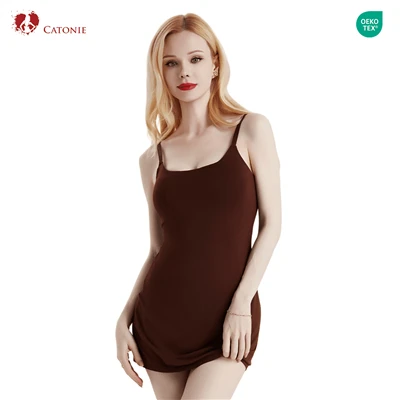
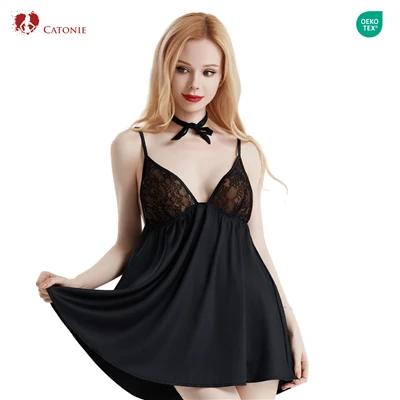
Sleep quality is closely related to how relaxed the body feels, and sleep underwear plays an important role in that experience. Many people overlook a key point: not all underwear fabrics are suitable for sleeping. Fabrics designed for daytime support or shaping may feel too tight or too warm during long hours of rest. Choosing the right sleep underwear fabric is mainly about balancing softness, breathability, and overall comfort without restriction.

Why Does Sleep Underwear Require Higher Fabric Standards?
During sleep, the body stays relatively still for long periods, making comfort even more important.
- Continuous skin contact means softness directly affects relaxation.
- Nighttime body temperature changes can lead to overheating if breathability is poor.
- Friction during movement or turning over may interrupt sleep quality.
- Overly tight or supportive fabrics can create pressure and discomfort.
Compared with daytime wear, sleep clothing prioritizes a "barely noticeable" feeling.
Which Fabrics Are Most Suitable for Sleep Underwear?
Sleep-friendly fabrics are mainly chosen for softness, breathability, and lightness.
- Modal fabric: extremely soft and smooth against the skin, with minimal friction, making it a very common choice for sleepwear.
- Cotton fabric: breathable and moisture-absorbing, suitable for people who tend to sweat at night.
- Bamboo fiber fabric: provides a cool and refreshing feel, often used for summer sleepwear.
- Lightweight blended fabrics: balance comfort and elasticity for everyday sleep use.
- Ultra-soft knitted structures: improve skin feel and overall flexibility through weaving techniques.
These fabrics share common traits: light, soft, breathable, and pressure-free.
Which Fabrics Are Not Ideal for Sleeping?
Not all underwear fabrics are suitable for long overnight wear.
- High-compression shapewear fabrics: too restrictive and may cause pressure.
- Thick nylon-based fabrics: less breathable and can trap heat.
- Strong compression functional materials: limit body relaxation.
- Rough-textured fabrics: may cause irritation during movement.
- Dense synthetic structures: can reduce natural skin breathability.
These materials are more suitable for daytime use rather than sleep.
How to Choose Sleep Underwear Fabric Based on Personal Needs?
Different body types and environments require different fabric choices.
- For people who sweat easily: cotton or breathable bamboo fiber works better.
- For sensitive skin: modal fabrics are often gentler and more comfortable.
- For colder seasons: slightly thicker but soft knitted fabrics can provide warmth.
- For hot summer nights: lightweight, breathable fabrics are preferable.
- For those who prefer no restriction: low-elasticity, pressure-free designs are recommended.
- For side sleepers: reducing side seam friction is especially important.
The best choice depends on season, sleep habits, and personal comfort.
The purpose of sleep underwear is not shaping or support, but helping the body fully relax. The right fabric reduces friction, improves breathability, and provides a stable and comfortable wearing experience throughout the night. Modal, cotton, and soft blended fabrics are generally better suited for sleep, while highly functional or compressive materials may interfere with relaxation. In practice, choosing based on body type, seasonal conditions, and sleep habits is the most effective way to find the most comfortable sleep underwear fabric.