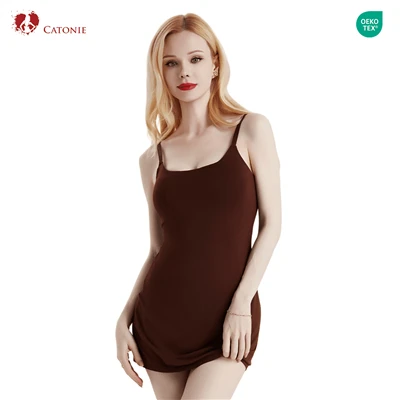
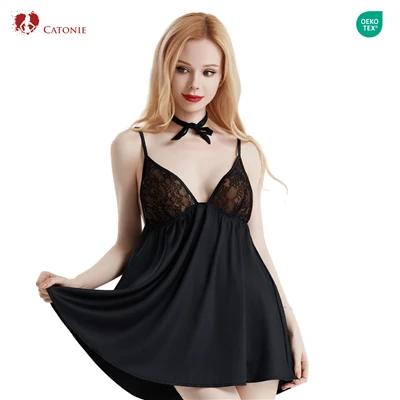
In hot weather or during physical activity, how quickly underwear dries directly affects comfort. That is why quick-dry underwear has become increasingly popular. Its performance is not simply about thickness or softness, but mainly depends on the structure and materials of the underwear fabric. Compared with traditional materials, quick-dry underwear focuses more on moisture management and evaporation efficiency, using different fiber combinations to create a light and dry wearing experience. Understanding these fabrics helps in making more practical choices.

Polyester: The Core Fabric for Quick-Dry Performance
Polyester is the most commonly used base material in quick-dry underwear, and its fiber properties provide strong drying performance.
- Low moisture absorption: Does not retain water easily, allowing sweat to evaporate quickly.
- Fast-drying ability: Fiber structure helps spread moisture rapidly across the surface.
- Lightweight and durable: Maintains shape even after frequent wear and washing.
- High stability: Remains structurally intact after repeated use.
- Easy to modify: Can be enhanced through processing to improve breathability and sweat management.
Nylon and Spandex Blends: Improving Fit and Comfort
Single fabrics cannot meet all needs, so blended materials are widely used to improve performance.
- Nylon (polyamide): High strength and abrasion resistance, improving durability.
- Spandex: Provides elasticity for a better body-hugging fit.
- Stable support: Reduces shifting during movement.
- Softer texture: Enhances comfort while maintaining functionality.
- Wide applicability: Suitable for sports, commuting, and daily wear.
Functional Fiber Structures: Enhancing Moisture and Heat Control
Quick-dry performance depends not only on material type but also on fiber engineering.
- Moisture-wicking channels: Transfer sweat away from the skin quickly.
- Surface diffusion design: Increases evaporation area for faster drying.
- Micro-porous structure: Improves airflow and reduces heat buildup.
- Multi-layer weaving: Inner layer absorbs moisture, outer layer releases it.
- Antibacterial treatment: Helps reduce odor caused by humidity.
Differences from Traditional Underwear Fabrics
Compared with common fabrics, quick-dry materials are more performance-oriented.
- Compared with cotton: Cotton absorbs moisture but dries slowly.
- Compared with modal: Modal is soft but less efficient in drying speed.
- Function-focused design: Prioritizes sweat management over softness.
- Better for active use: Performs well in sports and hot environments.
- Can be combined: Often rotated with other fabric types for different needs.
The performance of quick-dry underwear comes from the combination and structural design of different underwear fabrics. Built mainly on polyester, enhanced with nylon and spandex, and improved through functional fiber engineering, it delivers better moisture control and drying efficiency. Different fabrics serve different purposes, and selecting based on usage scenarios helps improve everyday comfort across various conditions.