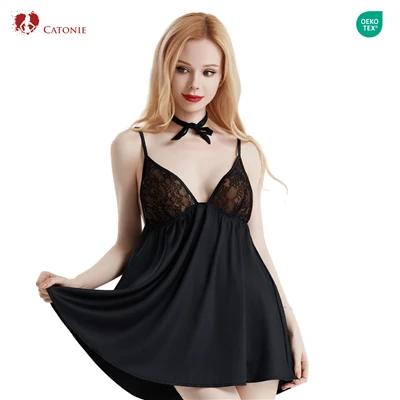
Underwear is the closest garment to the skin, and its fabric safety directly affects comfort and skin health. When worn for long periods, unsuitable materials can cause heat buildup, irritation, or even allergic reactions. Therefore, when choosing underwear, fabric quality should take priority over style or appearance. Different materials vary in breathability, softness, and stability. Understanding these key factors helps in selecting underwear that is both safe and comfortable for daily wear.

Natural Fibers: The Foundation of Safe Underwear Fabrics
Fabrics derived from natural sources are generally considered safer for direct skin contact.
- Cotton: Highly breathable, moisture-absorbing, and gentle on the skin.
- Long-staple cotton: Finer and smoother fibers that reduce friction.
- Bamboo fiber: Naturally fresh with mild antibacterial properties.
- Silk: Protein-based fiber, soft and skin-friendly, though it requires careful care.
- Low irritation: Natural fibers usually contain fewer chemical additives.
Regenerated and Functional Fabrics: Balancing Comfort and Performance
Modern fabric innovations offer both safety and enhanced functionality.
- Modal: Made from wood pulp, soft, smooth, and breathable.
- Lyocell: Stable structure with strong moisture absorption.
- Blended fabrics: Cotton-spandex blends improve flexibility and fit.
- Functional fibers: Engineered for better moisture-wicking and airflow.
- Eco-friendly processing: High-quality production reduces chemical residues.
Key Indicators of Fabric Safety
Evaluating safety requires more than just knowing the material type.
- Skin-friendly feel: Soft, non-irritating texture is essential.
- Breathability and moisture control: Helps reduce bacterial growth.
- Free from harmful additives: Avoid fluorescent agents or excessive dyes.
- Neutral smell: No strong chemical odor indicates better safety.
- Clear labeling: Transparent fabric composition reflects higher quality.
Fabrics to Be Cautious About
Some commonly used materials may have limitations in terms of safety.
- High synthetic content: Excess polyester or nylon reduces breathability.
- Heavily dyed fabrics: Dark or bright colors may contain residual dyes.
- Complex surface treatments: Too many coatings may increase irritation risk.
- Rough textures: Can cause friction and discomfort.
- Low-quality blends: Poor processing affects overall performance.
There is no single "best" fabric for underwear safety-it's about achieving the right balance between natural composition, comfort, and durability. Cotton, long-staple cotton, and modal are among the most reliable options for everyday wear. Paying attention to fabric origin, craftsmanship, and how it feels on the skin is more important than focusing solely on brand names. Choosing the right fabric ensures a safer, more comfortable experience in daily life.