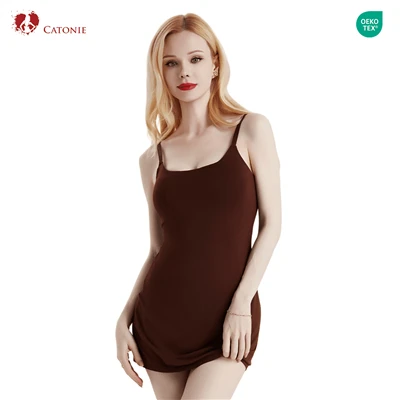
During pregnancy, the body gradually changes, especially in the chest and abdominal areas. If the underwear fabric is not chosen properly, it can create pressure, affect circulation, and reduce overall comfort. That's why selecting non-restrictive underwear fabric becomes essential. Compared to style, factors like softness, elasticity, and breathability play a much bigger role. Understanding different fabric characteristics helps maintain a relaxed and comfortable wearing experience throughout pregnancy.

Soft and Skin-Friendly Fabrics: The Foundation of Comfort
During pregnancy, the skin becomes more sensitive, making softness a top priority.
- Cotton: Gentle, breathable, and comfortable against the skin, reducing irritation.
- Long-staple cotton: Finer fibers provide a smoother and softer touch.
- Modal: Soft and lightweight, offering a barely-there feel when worn.
- Silk: Thin and breathable, helping reduce heat and pressure.
Stretchable Blended Fabrics: Adapting to Body Changes
As the body shape changes, elastic fabrics provide better flexibility and fit.
- Cotton + spandex blends: Combine softness with stretch for better adaptability.
- Nylon blends: Improve durability and fit without feeling restrictive.
- Good recovery: Helps reduce pressure marks and maintain comfort.
- Wire-free designs: When paired with elastic fabrics, minimize tightness.
- Suitable for all stages: Provides consistent comfort from early to late pregnancy.
Breathable and Moisture-Absorbing Fabrics: Staying Fresh and Dry
Body temperature often fluctuates during pregnancy, making breathability essential.
- Strong moisture absorption: Quickly absorbs sweat and keeps skin dry.
- Good airflow: Reduces heat buildup and improves comfort.
- Bamboo fiber: Offers a balance of breathability and freshness.
- Modal: Maintains airflow while remaining soft and smooth.
- Ideal for long wear: Helps prevent discomfort caused by dampness.
Fabrics to Avoid During Pregnancy
Not all fabrics are suitable for maternity wear, and some may increase discomfort.
- High synthetic content: Often less breathable and can trap heat.
- Low-stretch fabrics: May feel tight and create pressure points.
- Rough textures: Can irritate sensitive skin.
- Heavy materials: Add unnecessary weight and reduce comfort.
- Overly complex structures: May affect fit and flexibility.
Choosing the right maternity underwear fabric means focusing on softness, elasticity, and breathability. Cotton, modal, and flexible blended fabrics often provide a more comfortable experience. As the body changes, adjusting fabric choices helps reduce pressure and discomfort. Paying attention to fabric quality rather than just design ensures a more relaxed and supportive experience throughout pregnancy.