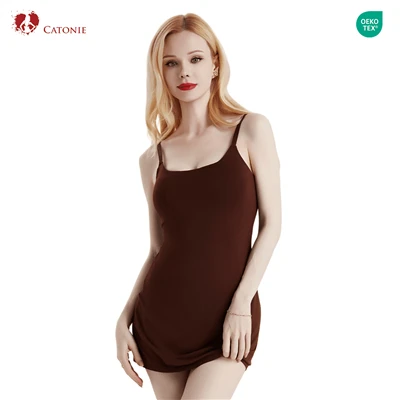
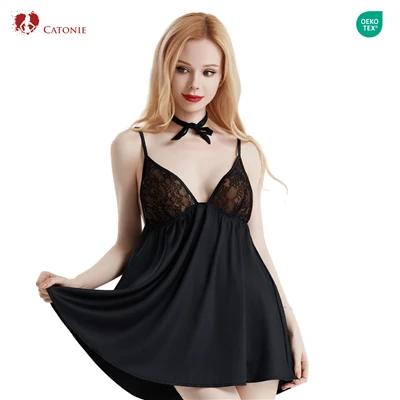
The body is still changing after childbirth, so the lingerie that once felt comfortable may not feel the same anymore. A fabric that seemed fine before may feel hot, tight, or less soft after a few hours of wear. This is especially noticeable during breastfeeding, when the bust can change in size and sensitivity. Postpartum lingerie needs more than softness. The fabric also needs the right stretch and recovery to work well with the garment structure and everyday wearing needs.

What Is the Best Fabric for Postpartum Lingerie?
There is no single fabric that works perfectly for every postpartum wearer. For everyday comfort, however, soft, breathable, moisture-absorbing fabrics with moderate stretch are often practical choices. Cotton, modal, bamboo blends, and nylon with elastane are all commonly used. When developing an actual product, yarn quality, knitting method, fabric construction, and fiber ratio also need to be considered.
- Cotton fabric has a natural hand feel and is comfortable against the skin, making it suitable for everyday postpartum lingerie. It is widely accepted by consumers, but shrinkage and changes in hand feel after repeated washing should be checked.
- Modal fabric is soft and smooth with a noticeable skin-friendly feel. It can work well for postpartum bras, panties, and homewear. Adding elastane can provide more flexibility during wear.
- Bamboo fiber blends offer a soft hand feel and good moisture absorption, making them suitable for lightweight postpartum lingerie. During development, the fiber name alone is not enough. The blend ratio and finished garment stability should also be tested.
- Nylon and elastane blends are more suitable for styles that need stretch and support. They offer good durability and make it easier to control stretch recovery, which can be useful for nursing bras and seamless postpartum lingerie.
The goal of postpartum lingerie is not to use the most expensive material. What matters more is whether the fabric feels comfortable, stays breathable, and can adapt to changes in the body. For products designed for long hours of wear, it is also worth testing how the fabric feels and performs after washing.
What Features Should Postpartum Lingerie Fabric Have?
The body can change noticeably during the postpartum period, so lingerie should not be evaluated only by how it feels when first put on. During breastfeeding in particular, bust size can change throughout the day and over time. If the fabric is too rigid or has poor stretch, the garment can quickly become uncomfortable. These are some of the key fabric properties worth checking during development:
- Softness matters. Postpartum lingerie stays close to the skin for long periods. Rough fabric or stiff binding and lining can create friction and discomfort after extended wear.
- Stretch should be moderate. More stretch does not automatically mean better comfort. The right level of extensibility gives the body room to move, while excessive compression can make the garment feel restrictive.
- Stretch recovery needs to remain stable. If a fabric quickly loses its elasticity after repeated wear and washing, the fit of the band and cups can change as well.
- Breathability and moisture management should not be overlooked. Postpartum lingerie may be worn during daily activities, sleep, or breastfeeding. Fabric that feels too warm or stuffy can reduce comfort during long periods of wear.
- Post-wash performance should be checked early. A sample may feel excellent when first received, but that does not mean it will feel the same after several washes. Washing and care tests are worth including during the sampling stage.
Taken together, these requirements make postpartum lingerie fabric a real product development challenge. Softness, stretch, recovery, and dimensional stability need to work together. Focusing too heavily on one property can easily create problems elsewhere. For brands planning long-term products, actual sample wear testing can reveal much more than fabric specifications alone.
How Should You Choose Fabric for Different Postpartum Lingerie Styles?
Postpartum lingerie includes more than nursing bras. Panties, camisoles, and homewear all have different wearing requirements. Simply using the same fabric approach as standard lingerie can lead to a mismatch between the product concept and the actual wearing experience. Fabric selection can be adjusted to suit each style.
|
Postpartum Lingerie Style |
Fabrics to Consider |
Key Development Focus |
|
Nursing bras |
Cotton, modal, nylon + elastane |
Softness, stretch, recovery |
|
Postpartum panties |
Cotton, modal, bamboo blends |
Skin feel, breathability, wash resistance |
|
Seamless postpartum lingerie |
Nylon + elastane |
Extensibility, fit, dimensional stability |
|
Postpartum camisoles |
Modal, cotton, TENCEL™-type fabrics |
Lightness, softness, drape |
|
Postpartum homewear |
Cotton, modal, bamboo blends |
Comfort, breathability, care performance |
During production, the same lingerie fabric can also create different results through changes in fabric weight, construction, and stretch configuration. Nursing bras may place more emphasis on support and recovery, while homewear can prioritize softness and lightness. Brands developing a complete postpartum collection should avoid simply using one fabric across every style. The material should make sense for the function of each product.
How Can Postpartum Lingerie Brands Develop the Right Fabric Solution?
Creating comfortable postpartum lingerie involves more than choosing a fabric from a supplier catalog. When developing a new product, brands can define the target consumer and main wearing situations first, then compare two or three fabric options through actual samples. Wearing the samples for a period of time and checking stretch, heat, softness, and post-wash performance often provides a clearer picture than looking at supplier specifications alone.
If the final fabric has not yet been selected, brands can also share their existing tech packs, design concepts, and product requirements with CATONIE. CATONIE can support the process from material matching and sample development to fit refinement and OEM/ODM production, while its continuously updated style and fabric solutions can help brands develop postpartum lingerie suited to their target market.
There is no single answer to what the best fabric for postpartum lingerie is. Cotton offers a natural and soft feel, modal is smooth and gentle against the skin, bamboo blends can work well for selected lightweight styles, while nylon and elastane are useful when stretch and recovery are important. The real test is how the fabric performs after it becomes lingerie and whether it remains comfortable, stable, and durable through everyday wear. By testing fabric, samples, and garment construction together, brands can develop postpartum lingerie that better fits the changing needs of consumers.