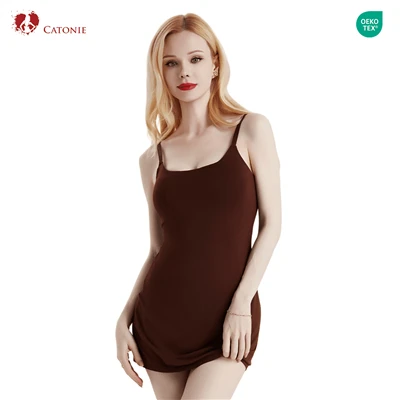
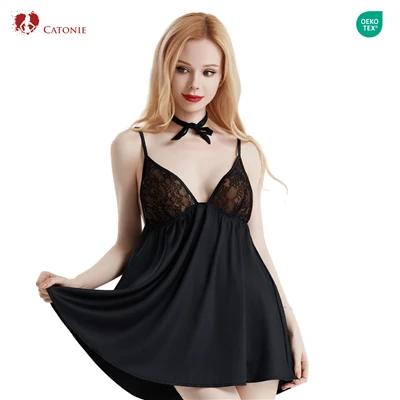
When shopping for plus size lingerie, many people really care about one simple question: Will it still feel comfortable after wearing it all day? A larger size is only the starting point. Fabric softness, freedom of movement, skin contact, and pressure after several hours can all affect the wearing experience. For brands developing plus size lingerie, comfort cannot be achieved simply by making the garment larger. The fit, fabric, and finishing details all need to work together to create a product that feels easy and comfortable to wear.

What Makes Plus Size Lingerie Comfortable?
A piece of plus size lingerie may feel comfortable when first put on, but that does not mean it will remain comfortable after several hours. During everyday wear, the body keeps moving, and the shoulders, back, underbust area, and waist experience changing pressure. Well-designed plus size lingerie should feel natural throughout the day without making the wearer constantly think about adjusting or pulling the garment back into place.
Here are some details worth checking:
- The fabric feels soft, with a smooth touch against the skin that remains comfortable during extended wear.
- Stretch should not simply be as strong as possible. Fabric that feels extremely tight at first can become uncomfortable after several hours.
- Movement should feel natural, allowing the wearer to raise their arms, bend over, sit down, and walk without feeling restricted.
- Seams and edges should be smooth, especially in areas that frequently rub against the skin, since rough stitching can quickly affect comfort.
The comfort of plus size lingerie is rarely determined by one outstanding specification. It is more about how naturally the garment feels once it is worn. Soft fabric, moderate stretch, freedom of movement, and careful finishing around skin-contact areas can make a noticeable difference in everyday wear.
What Fabric Is Most Comfortable for Plus Size Lingerie?
Fabric is an important part of comfort, but there is no need to label one fiber as the "best" choice for every product. Cotton, modal, nylon, bamboo fiber, and different stretch-fiber blends can all be used in plus size lingerie. What matters during product development is how the finished fabric actually feels and performs rather than simply looking at the fiber name on the label.
|
Fabric Option |
Wearing Feel |
Suitable Products |
Development Considerations |
|
Cotton |
Natural and soft |
Everyday panties, basic lingerie |
Check shrinkage and long-term washing performance |
|
Modal blend |
Soft, smooth, and gentle against the skin |
Everyday plus size lingerie, loungewear |
Check stretch recovery and wash durability |
|
Bamboo blend |
Soft with good moisture absorption |
Lightweight lingerie, panties |
Pay attention to blend ratio and dimensional stability |
|
Nylon + stretch fiber |
Good stretch and close fit |
Seamless lingerie, active styles |
Avoid excessive tightness or noticeable heat buildup |
|
Multi-fiber blend |
Combines different performance properties |
Custom plus size lingerie |
Focus on finished garment testing |
For plus size lingerie designed around everyday comfort, soft and skin-friendly fabrics can be a good starting point. Styles that require greater stretch or performance can use blended fabrics to adjust the overall feel and functionality. During development, it is better to turn the same fabric into an actual sample garment before making a final decision. A fabric can feel great in the roll but feel completely different once it becomes a finished piece of lingerie.
Which Design Details Can Affect Plus Size Lingerie Comfort?
In many cases, when consumers say plus size lingerie is uncomfortable, the problem is not the main fabric itself. Small details may simply have been overlooked. Stiff straps, rubbing along the edges, noticeable seams, or changes in elasticity after washing can all make an otherwise good product harder to wear. These details are worth checking during the sample development stage.
Key points to look at include:
- Whether the areas where straps touch the skin feel soft enough, with pressure distributed rather than simply adding more thickness.
- Whether the edges tend to roll or rub, which can become more noticeable when sitting or walking.
- Whether the seams remain smooth, since even a small hard spot can become irritating in close-fitting lingerie.
- Whether the garment changes after washing, especially if the fabric becomes stiffer or loses stretch recovery.
These details may look minor, but they are exactly what consumers experience every day. During sample testing, do not stop after wearing the garment for just a few minutes. Wear it for a longer period, walk around, sit down, and move normally to see whether any areas feel tight, abrasive, or restrictive. This gives brands more useful feedback for making practical adjustments.
How Can a Brand Develop Truly Comfortable Plus Size Lingerie?
Creating comfortable plus size lingerie is not simply a matter of changing one measurement. Brands can start with the intended product positioning and bring fabric, fit, trims, and garment construction into the same development process. For collections intended for long-term sales, it is also useful to establish a consistent comfort standard so that future styles and product extensions do not have to be developed from scratch every time.
A practical development process can start by defining the main wearing situation, then selecting two or three suitable fabrics for sampling. Once the samples are made, look beyond appearance and wear them for several hours while paying attention to the shoulders, underbust area, back, and waist. After that, check washing changes and repeated stretch recovery before finalizing the production solution.
CATONIE can support plus size lingerie development through fabric matching, sample development, fit adjustments, and OEM/ODM production based on a brand's product requirements. Brands with an existing design or tech pack can provide their current specifications directly. Brands still in the early development stage can start with the product type and desired wearing experience, then gradually determine the fabric and garment solution suitable for bulk production.
The most comfortable plus size lingerie is not simply wider, looser, or more elastic. It should allow the body to move naturally while remaining comfortable during long hours of wear without constant adjustment. The right fabric, comfortable stretch, smooth seams, and well-developed construction all matter. When these details are tested during the sample stage, brands have a much better chance of creating plus size lingerie that delivers the kind of comfort consumers actually want.