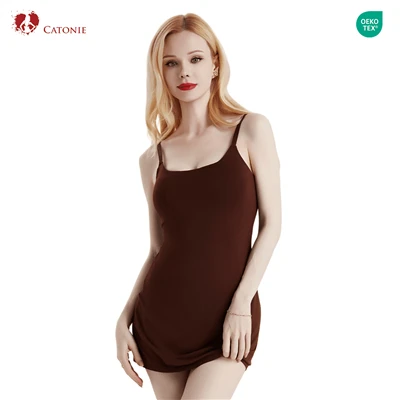
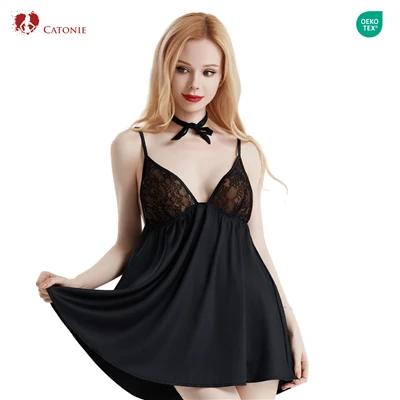
Lingerie fabrics are becoming more interesting than ever. In the past, brands mainly looked at softness, stretch, and appearance when choosing materials. Now, consumers are paying attention to much more. Some want fabrics that feel lighter and more breathable in summer, while others care about where the material comes from or whether it can keep its original feel after repeated washing. For lingerie brands, choosing fabric is no longer just about finding a material that works. The right fabric can also shape the product experience, positioning, and long-term market appeal.

What New Fabrics Will Be Popular in the Lingerie Industry?
Over the next few years, lingerie fabric trends will not simply be about introducing another new fiber name. What really matters is whether a material can create a noticeable difference when worn. Lightweight fabrics, bio-based fibers, recycled materials, new blends, and materials designed to respond to changing temperatures are all areas worth watching.
Some of the most promising directions include:
- Bio-based fibers are likely to appear in more premium lingerie collections.
- Recycled fibers are improving in softness, stretch, and durability instead of being marketed only for sustainability.
- Ultra-fine fibers can make lingerie lighter and thinner while maintaining a soft feel against the skin.
- Temperature-responsive materials may find more applications in year-round and performance-oriented lingerie.
- New plant-based fibers can give brands another way to create distinctive product lines.
The real value of these materials is that they are moving beyond simply being "new fabrics" and toward a better wearing experience. Consumers may not remember a complicated fiber name, but they will notice when a bra feels lighter, softer, or more breathable. That difference can become a real selling point. When developing new products, brands should spend less time chasing material hype and more time checking how a fabric actually performs in a finished garment.
What Is the Difference Between New Lingerie Fabrics?
There are plenty of new materials on the market, but newer does not automatically mean better for lingerie production. Some materials are better suited to premium collections, while others work better for everyday basics. Some are also relatively expensive and may be more suitable for small-batch market testing at the beginning. When sourcing lingerie fabric, it is more practical to look at material performance, product positioning, and manufacturing requirements together.
|
New Lingerie Fabric |
Main Features |
Suitable Product Direction |
Key Development Considerations |
|
Bio-based fibers |
Made from more renewable raw material sources |
Premium lingerie, distinctive collections |
Cost and supply stability |
|
Recycled fibers |
Efficient material use with improving performance |
Everyday lingerie, lingerie sets |
Batch consistency and stretch |
|
Ultra-fine fibers |
Lightweight, soft, and comfortable against the skin |
Seamless lingerie, lightweight bras |
Abrasion and pilling |
|
Temperature-responsive fabrics |
Designed to manage changes in wearing temperature |
Year-round lingerie, performance collections |
Functional durability |
|
New plant-based fibers |
Distinctive hand feel and product positioning |
Premium and natural-style collections |
Processing requirements and cost |
|
Advanced blended fabrics |
Combine the strengths of different fibers |
Custom lingerie, performance products |
Fiber ratios and garment stability |
Once a fabric has been selected, it still needs to be tested in an actual lingerie construction. A material may feel excellent as a fabric swatch but perform very differently after being made into a bra, panty, or sleepwear garment. Cutting, sewing, stretching, and washing can all affect the final result. For products intended for long-term sales, stable bulk supply is often more important than simply having a fabric that feels luxurious at the sampling stage.
Which New Lingerie Fabrics Are Better for Brand New Products?
Whether a new fabric can become a selling point depends on whether consumers can actually feel the difference. The lingerie market is already crowded, so simply giving an ordinary fabric a new name is unlikely to create much interest. Materials that deliver a noticeable difference in weight, touch, breathability, durability, or overall wearing comfort have a better chance of standing out.
Some directions worth exploring include:
- Lightweight fabrics can reduce the heavy feeling of lingerie and work well for summer and everyday products.
- Airy knitted structures can create a lighter appearance while adding more texture to the garment.
- High-recovery blended fabrics can help basic lingerie maintain its shape over repeated wear.
- Plant-based fibers can support premium collections with a natural and minimalist positioning.
- Multi-fiber blends allow brands to adjust softness, stretch, and durability to suit different products.
When developing a new collection, it makes sense to start with the problem consumers want to solve and then select the right lingerie fabric. This makes the product easier to explain and helps designers, buyers, and production teams stay on the same page. Put simply, a fabric can sound impressive on paper, but if consumers cannot feel the difference and the material creates production problems, it will be difficult to turn that material into a successful product.
What Should Lingerie Brands Consider When Developing New Fabrics?
There is still a gap between receiving a new fabric swatch from a supplier and turning that material into a stable, market-ready lingerie product. For intimate apparel, even small changes in fabric performance can affect fit, construction, and wearing comfort. Brands planning to introduce new materials should avoid rushing straight into bulk production. More time spent testing samples early can prevent plenty of headaches later.
During development, it is worth checking:
- Whether color, weight, and stretch remain consistent between different fabric batches.
- Whether repeated washing causes noticeable shrinkage or deformation.
- Whether the material slips, rolls, or changes size during cutting.
- Whether the stretch and hand feel change after sewing.
- Whether the finished garment remains comfortable during extended wear.
- Whether the material can be supplied consistently over the long term without major price fluctuations.
For brands using an OEM/ODM model, fabric testing should not be separated from pattern development, sampling, and production. Once a new material is selected, manufacturers also need to check whether it works with existing production processes and whether its performance can remain stable during bulk manufacturing. An OEM/ODM lingerie manufacturer such as CATONIE can support the process from fabric selection and sample development to pattern adjustments and bulk production, helping brands identify potential issues before launching a new material-based collection.
Lingerie fabrics will continue to become more specialized. Bio-based fibers, recycled materials, ultra-fine fibers, plant-based fibers, temperature-responsive fabrics, and advanced blends could all become important choices for future product development. However, the fabrics that stay relevant for the long term will not necessarily be the most expensive or technically complicated. Materials that feel good, perform consistently, remain easy to source, and give consumers a clear difference are more likely to become valuable for lingerie brands. Building a reliable fabric testing and sourcing system early can give brands a much better starting point than waiting until a material becomes a mainstream trend.