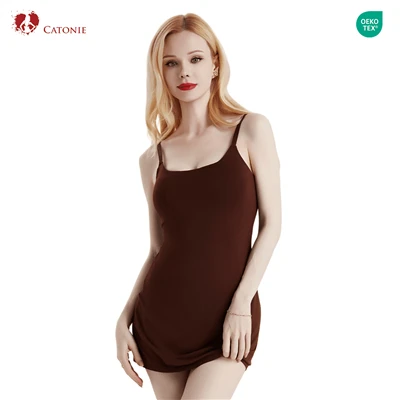
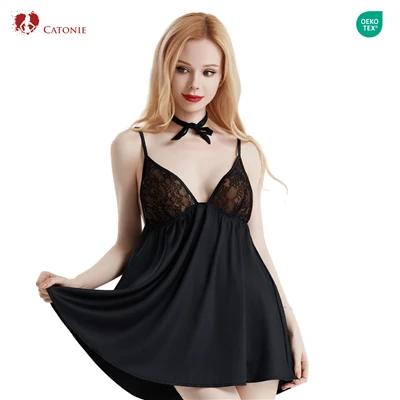
The comfort of lingerie depends not only on the design and sizing but also greatly on the fabric used. Different lingerie fabrics have noticeable differences in softness, breathability, elasticity, and skin feel. Some fabrics are suitable for everyday wear and focus on comfort and ease, while others provide stronger support and shaping effects for functional lingerie. There are also premium materials with luxurious textures that are often used in high-end lingerie collections. For lingerie brands and consumers, choosing the right fabric directly influences the overall wearing experience. As market demands continue to change, lingerie fabrics have become more diverse, ranging from natural fibers to functional materials, all designed to meet different wearing needs.

Natural Fiber Fabrics: A Classic Choice for Comfort and Skin-Friendly Feel
Natural fiber fabrics have always played an important role in lingerie production because they usually provide softness, breathability, and a comfortable feel against the skin. For close-fitting products like lingerie, the contact experience is extremely important, and natural materials can offer a more gentle and natural wearing experience.
Common natural fiber fabrics include:
- Cotton fabric, which is soft, comfortable, and has good moisture absorption, making it suitable for everyday lingerie.
- Silk fabric, which offers a smooth texture and a natural luxurious shine.
- Bamboo fiber fabric, which has a soft feel and good breathability.
The advantage of natural fabrics is their comfortable wearing experience, especially for consumers who prefer a more natural style. However, different natural materials also have their own characteristics. For example, silk requires more careful care, while cotton has relatively limited elasticity. During lingerie development, many products combine natural fibers with other materials to create a better balance of performance.
Regenerated Fiber Fabrics: Combining Softness and Sustainability
In recent years, regenerated fibers have become increasingly popular in the lingerie industry. These fabrics usually offer excellent softness and natural drape while also meeting growing consumer interest in environmentally friendly products. Many comfort lingerie styles, seamless underwear, and lightweight bras use these materials.
Common regenerated fiber fabrics include:
- Modal fabric, known for its softness and comfortable skin feel.
- Tencel fabric, offering good moisture absorption and a texture similar to natural fibers.
- Lyocell blended fabrics, combining softness with better stability.
These fabrics have gained popularity because they improve lingerie comfort while supporting sustainable product concepts. Especially for everyday basic lingerie, regenerated fibers can make products lighter, softer, and more comfortable for long periods of wear.
Functional Fabrics: Improving Support and Shaping Performance
As lingerie products become more diverse, functional fabrics have become an important trend in the market. Compared with ordinary materials, these fabrics focus more on elasticity, recovery, and structural stability, helping lingerie maintain better fit and support.
Common functional fabrics include:
- Lycra stretch fabric, offering excellent flexibility and improved wearing freedom.
- High-elastic nylon fabric, providing strong durability and suitable for products requiring stable support.
- Seamless fabrics, reducing visible lines under clothing and improving styling flexibility.
- Moisture-wicking fabrics, commonly used in sports lingerie and activewear products.
Functional fabrics allow lingerie to provide more than basic coverage and comfort. For example, sports bras require stronger stability, while shapewear requires better elasticity control. Through the combination of different functional fabrics, brands can develop products that better match consumer needs.
Premium Specialty Fabrics: Creating a Higher Product Value
Besides comfort and functionality, some high-end lingerie collections use specialty fabrics with unique textures. These materials often perform well in terms of touch, appearance, and overall wearing experience, helping improve the perceived value of the product.
Common premium lingerie fabrics include:
- Lace fabric, featuring delicate patterns that enhance design appeal.
- Premium silk-blended fabrics, combining a smooth feel with better durability.
- Fine stretch mesh fabrics, offering lightweight breathability and attractive visual effects.
These fabrics are often used in luxury lingerie, special occasion lingerie, and customized premium collections. They focus not only on comfort but also on creating a stronger sense of quality and style. Proper use of specialty fabrics can help lingerie products stand out in a competitive market.
There are many types of lingerie fabrics, and each material has its own advantages. From natural fibers such as cotton and silk, to regenerated fibers like modal and Tencel, as well as functional materials such as Lycra and seamless fabrics, different options are designed to meet different product requirements. For lingerie brands, selecting the right fabric requires consideration of product positioning, target customers, and actual wearing scenarios. High-quality lingerie fabrics can improve comfort while helping products gain stronger market competitiveness, providing consumers with a more comfortable and personalized wearing experience.