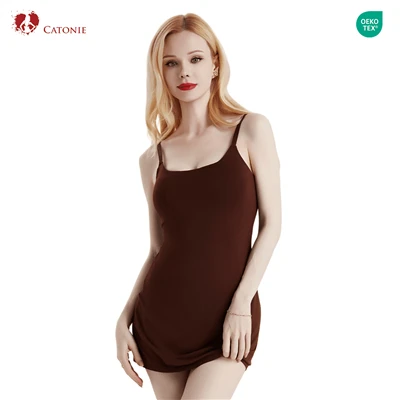
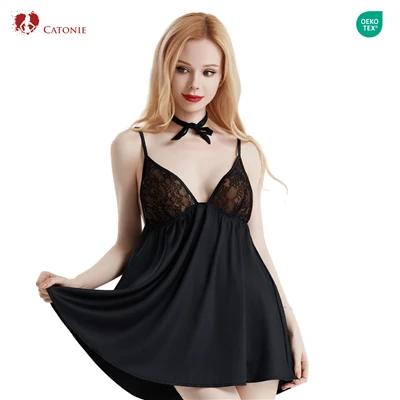
Many people worry about visible underwear lines when wearing tight clothing, yoga pants, or lightweight tops. In reality, besides the underwear design itself, the fabric plays a major role in whether marks or lines become noticeable. Some materials provide strong support but can create pressure marks around the edges, while softer and lighter underwear fabrics fit the body more naturally and reduce visible lines. For daily commuting, sportswear, or summer outfits, choosing underwear fabrics that are less likely to leave marks can greatly improve both comfort and appearance.

Why Do Some Underwear Styles Leave Visible Marks More Easily?
Visible marks are not caused by sizing alone.
- Fabrics with limited elasticity may create pressure around the edges.
- Thick underwear fabrics are more likely to show outlines under fitted clothing.
- Rough or stiff stitching can leave pressure marks after long wear.
- Strong compression structures may concentrate pressure in certain areas.
To reduce visible marks, both the material and overall construction matter.
Which Underwear Fabrics Are Less Likely to Leave Marks?
Lightweight, soft, and naturally elastic fabrics usually work best for seamless comfort.
- Ultra-fine fiber fabrics: smooth texture and lightweight structure create a more natural fit.
- Spandex blends: softer elasticity helps reduce edge pressure marks.
- Modal fabric: high softness and low friction improve skin comfort.
- Seamless knitted structures: reduce visible stitching and edge lines through one-piece construction.
- Lightweight nylon fabrics: balance stability with close-fitting comfort.
These underwear fabrics usually focus on creating a close fit without excessive tightness.
Besides Fabric, What Else Affects Visible Underwear Marks?
Many people focus only on fabric, but small construction details also matter.
- Seamless edge-cutting techniques can significantly reduce pressure marks.
- Narrow shoulder straps may create visible shoulder indentation.
- Firm underband structures may still feel restrictive even with soft fabric.
- Poor rebound performance can increase localized pressure over time.
- Tighter outer clothing naturally makes underwear lines more visible.
- Long periods of sitting or exercise may increase friction and pressure.
A truly comfortable seamless experience usually comes from the combination of multiple design details.
How to Choose Underwear That Leaves Fewer Marks
Different situations require different levels of seamless performance.
- Lightweight underwear fabrics are usually better for thin summer clothing.
- People who often wear yoga pants or fitted dresses may prefer seamless structures.
- Those who prioritize comfort may benefit from avoiding high-compression shaping designs.
- For daily commuting, medium support with soft elasticity is often more practical.
Instead of blindly chasing "completely invisible" underwear, it is usually better to choose designs with more balanced pressure distribution.
There is no single fabric that guarantees a completely mark-free experience, but lightweight, soft, and naturally elastic materials are generally more comfortable and less visible under clothing. Ultra-fine fibers, modal fabrics, and spandex blends often achieve a good balance between flexibility and softness. At the same time, seamless comfort also depends on weaving techniques, edge finishing, and overall structural design. For consumers, choosing underwear fabrics based on personal clothing habits and daily activities is often more important than simply selecting the thinnest possible material.