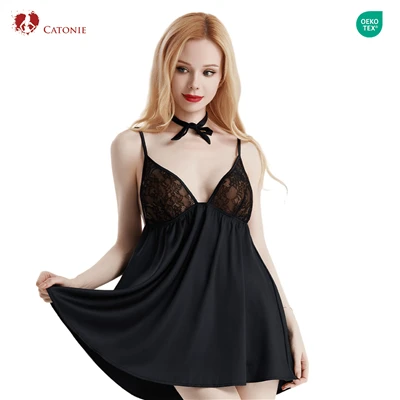
One of the most frustrating things about buying underwear is finding that the size looks right on paper but feels completely different when worn. You may order your usual size only to find that the band feels too tight, the cups have extra space, or the straps never seem to sit comfortably. Many people blame the size chart, but the final fit of underwear is affected by measurements, pattern design, lingerie fabrics, and manufacturing processes. Different brands can have different sizing standards, and even different collections from the same brand may feel different. What consumers describe as an "inaccurate size" does not always mean the number on the label is wrong. Sometimes the gap appears between the labeled size and the actual wearing experience.
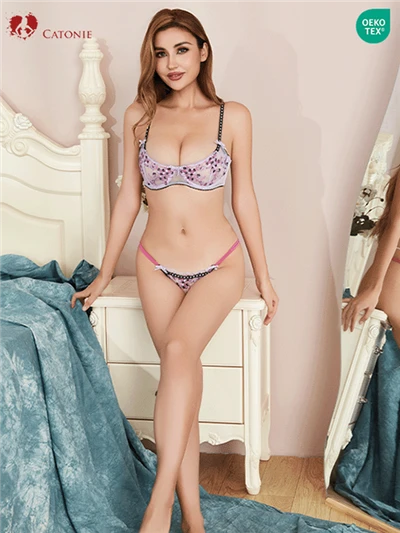
Common Problems Behind Inaccurate Underwear Sizing
Underwear sizing is not simply a set of numbers. It represents a series of measurements and proportions. If one part of the process changes, the finished garment may fit differently from what consumers expect. This is particularly noticeable with bras and shapewear because they sit closely against the body.
Common situations include:
- Measurement errors: The measuring position, tightness of the tape, and body posture can all affect the final measurement.
- Different brand sizing standards: Two bras labeled 75B may have completely different cup depths, band elasticity, and pattern proportions.
- Changes during production: Cutting, sewing, shaping, and washing can all cause slight changes in the finished dimensions.
- Different body shapes: The same size can fit differently on people with different body proportions.
The size number consumers see is essentially a reference range rather than a guarantee of a specific wearing experience. Brands also need to leave reasonable room for these variables when creating size charts.
Changes in Lingerie Fabrics Can Also Affect Perceived Sizing
One detail that is easy to overlook is the influence of lingerie fabrics on fit. Stretch fabrics may look relatively small when measured flat but can stretch considerably when worn. Materials with little stretch remain more stable in size and place higher demands on pattern accuracy. When the same pattern is made with different lingerie fabrics, the resulting level of tightness can change noticeably.
During production, brands can pay close attention to:
- Elastic recovery: Whether the fabric can return to its original state after being stretched.
- Horizontal and vertical stretch: Different stretch levels in different directions can change the overall fit.
- Fabric thickness: Changes in thickness can affect cup capacity and the feeling of coverage.
- Dimensions after washing: Shrinkage or relaxation can make consumers feel that the size has changed.
This is one reason underwear can feel right when it is new but different after several washes. Size development should not focus exclusively on new garments. The condition of the fabric after normal use also matters.
Why Can Underwear Feel Different Even When the Size Number Has Not Changed?
Another easily overlooked issue is that "size" and "fit" are not the same thing. The measurements taken with a tape measure may be relatively fixed, but the human body is three-dimensional, and the shape of the bust, waist, and hips varies from person to person. Once underwear is worn, the fabric stretches, the body moves, and the garment enters a dynamic state. Different styles also have different cutting positions, elasticity levels, and coverage areas, so the same size label can naturally feel different.
When developing products, brands should not treat the size chart as an isolated table of numbers. Feedback from actual sample fitting is equally important. If a particular size repeatedly receives complaints about the band riding up, cup pressure, or slipping straps, the corresponding structure should be checked instead of simply telling consumers to "size up." Identifying the exact problem makes subsequent adjustments much more effective.
Where Should Brands Check When They Discover Size Problems?
When consumers frequently report that a product feels "too small" or "too large," brands should break the problem down and check each stage. In many cases, the real issue is not the size label itself. It may come from finished garment measurements, fabric elasticity, or pattern proportions.
A practical inspection process can include:
- Check the size chart: Confirm that the labeled measurements match the actual finished garment.
- Check the pattern: Review whether the measurement changes between sizes are reasonable.
- Check the fabric: Test stretch, recovery, and differences between production batches.
- Check manufacturing processes: Look for dimensional changes caused by sewing, shaping, washing, or other procedures.
- Collect wearing feedback: Turn comments such as "too tight," "too loose," "cup gaping," or "riding up" into specific fit issues.
This type of inspection is useful for lingerie brands that want to improve sizing over the long term. When size complaints occur repeatedly, simply changing one number can make the sizing system more complicated. Comparing consumer feedback with production data makes it easier to identify the stage that is actually affecting fit.
Inaccurate underwear sizing does not necessarily mean that the number printed on the size chart is wrong. Measuring methods, brand standards, pattern structures, lingerie fabrics, and manufacturing processes can all affect the final wearing experience. Consumers should not focus solely on one size number when shopping, while brands should not rely on changing size labels as the only solution. Bringing finished measurements, fabric elasticity, and real wearing feedback into the evaluation process can create a more practical sizing system and make it easier for consumers to find underwear that fits comfortably.