Many people find their bras don't seem to have any problems when at rest, but once they start walking, bending over, or raising their arms, they notice the bra riding up, shifting, or shifting overall. This affects comfort and leads to frequent adjustments, reducing the wearing experience. In fact, bra shifting during activity isn't caused by a single reason; it's often related to size, structural design, and the coordination with body movements. Insufficient support, even if it feels comfortable temporarily, will easily reveal problems during movement. Understanding the causes of bra shifting helps to more accurately identify the problem and ensure a more stable and natural fit.
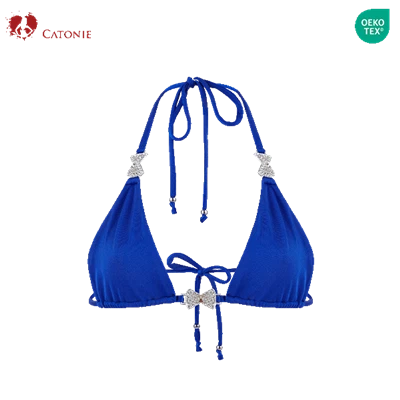
Ill-fitting underbust band reduces stability
The underbust band is crucial for maintaining bra support.
- An overly loose underbust band easily rides up: It cannot fit securely against the body during activity, and the overall structure is prone to shifting.
- Insufficient support affects cup position: When the underbust band is unstable, the cups will also shift.
A stable underbust band reduces shifting during activity.
Mismatched cup shape
Insufficient fit causes the bra to lose balance during movement.
- Oversized cups can cause noticeable gaps, making the bra more prone to shifting and shifting during movement.
- Undersized cups can lead to compression and displacement, causing the bra to ride up when the breasts aren't fully covered.
A cup design tailored to the breast shape is more conducive to stability.
Shoulder strap and structural design affect support
Detailed structural elements directly impact how the bra fits.
- Loose shoulder straps provide insufficient support, failing to maintain the correct cup position.
- An unsuitable design for activity levels makes certain structural elements more prone to slipping during movement.
A well-designed structure improves overall fit and stability.
Activity intensity and body movements have an impact
Dynamic environments amplify changes in the bra's stress.
- Frequent movements increase friction and displacement, making the bra more likely to shift position when bending over or raising arms.
- Strengther support is needed during exercise. Ordinary bras have limited stability under high activity levels.
Choosing a style appropriate for your activity level can reduce shifting.
Frequent shifting of the bra during activity often indicates an imbalance between the overall fit and support structure. This issue can be addressed more effectively by focusing on underbust stability, cup fit, and shoulder strap adjustments. Considering the body's movement needs in conjunction with the bra's structure contributes to a more stable wearing experience. Paying attention to these details allows the bra to maintain a better fit during daily activities and reduces the inconvenience of frequent adjustments.