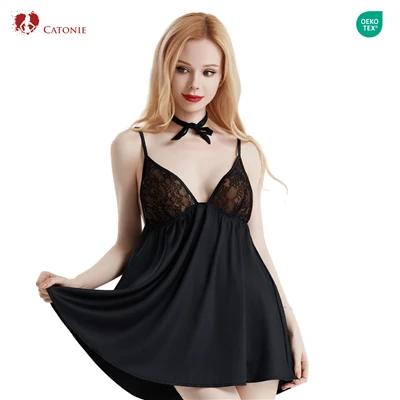
Many people notice that silk underwear is significantly more expensive than ordinary underwear styles. This often raises the question: if both are worn close to the skin, why does silk underwear fabric cost so much more? In reality, the high price of silk is not only about luxury appeal. It is closely related to raw material sourcing, production techniques, wearing comfort, and maintenance requirements. Compared with synthetic fibers or standard cotton fabrics, silk demands higher standards in both fiber quality and manufacturing complexity, which naturally increases the overall cost.

Why Are Silk Underwear Fabrics More Expensive to Produce?
Silk is a natural protein fiber, and its production process is naturally more complex.
- Silk comes from silkworm cocoons, making raw material collection more time-consuming than synthetic fiber production.
- High-quality silk requires carefully controlled breeding environments and temperatures.
- A large number of cocoons are needed to produce a relatively small amount of silk fiber.
- Finer silk fibers require stricter selection and processing standards.
Unlike industrially mass-produced synthetic fabrics, silk's natural origin contributes significantly to its higher cost.
What Are the Unique Advantages of Silk Underwear Fabrics?
The higher price of silk is also connected to its distinctive wearing experience.
- The texture feels smooth and soft, reducing friction against the skin.
- Silk fabrics are generally lightweight and feel less restrictive during long wear.
- Silk fibers offer natural breathability, which many people find comfortable.
- The surface has a soft, elegant sheen that differs from synthetic shine.
- High-quality silk underwear fabrics often drape beautifully and feel exceptionally soft.
These characteristics are why silk is commonly used in premium underwear collections.
Why Is Silk Underwear Manufacturing More Complicated?
Beyond the raw material itself, the production process also increases the cost.
- Silk fibers are delicate and more easily damaged during weaving.
- Dyeing requires stable and careful processing to preserve texture and shine.
- Cutting and sewing silk fabrics demand higher craftsmanship precision.
- Silk is sensitive to heat, making finishing processes more delicate.
- Many premium products use refined stitching and edge finishing to improve skin comfort.
- Material loss during production is often higher than with ordinary underwear fabrics.
The more detailed the craftsmanship, the higher the labor and production costs become.
Is Silk Underwear Always Better Than Ordinary Fabrics?
Although silk is considered a premium underwear fabric, it may not suit everyone equally well.
- Silk requires more careful washing and storage.
- For frequent daily use, some people may prefer more durable fabrics.
- Silk has relatively limited elasticity, which may affect fit depending on the design.
- In very hot or sweaty conditions, not everyone enjoys the feel of silk against the skin.
Because of this, fabric choice should depend more on lifestyle and wearing habits than on price alone.
The higher price of silk underwear comes from both the rarity of natural raw materials and the complexity of production craftsmanship. As a premium underwear fabric, silk offers clear advantages in softness, elegant appearance, and skin comfort. At the same time, it also requires more careful maintenance and may not suit every wearing situation. Instead of simply focusing on whether a fabric is expensive, it is more practical to choose underwear materials based on personal comfort, lifestyle, and everyday needs. The best underwear fabric is ultimately the one that feels comfortable and works well in real daily use.