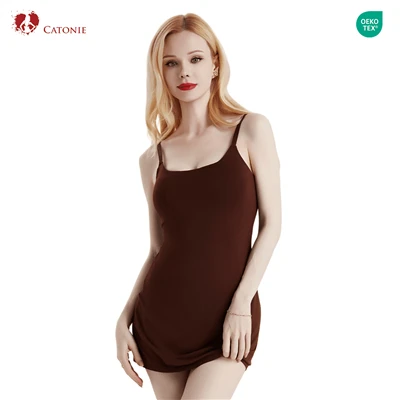
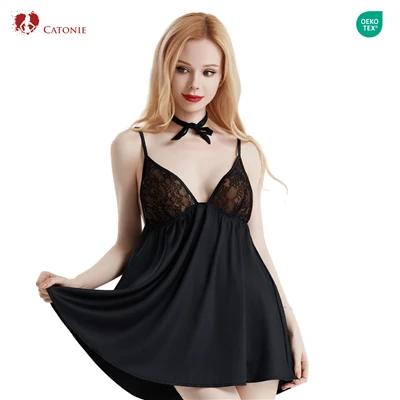
When selecting lingerie, some people focus primarily on aesthetics or design styles, often overlooking the crucial relationship between cup size and how the garment fits the body. When a cup size is chosen that is too small, the space available for the breasts becomes compressed; this frequently leads to a sensation of constriction, discomfort, and can even hinder daily activities. This phenomenon is not merely a simple tightness; rather, it involves a complex interplay of structural mechanics, fabric tension, and overall physical comfort. Wearing ill-fitting cups for extended periods not only compromises the wearing experience but may also cause the lingerie to lose its original shape and integrity more quickly. Understanding the connection between cup size and breast constriction helps consumers make more informed decisions when shopping, ensuring that their lingerie provides adequate support while maintaining a comfortable and natural fit.

Cups That Are Too Small Compress Breast Space
Insufficient space is one of the primary causes of the sensation of constriction.
- Breast Distortion: When cup volume is inadequate, the breasts cannot expand naturally, often resulting in spillage or visible pressure marks on the skin.
- Edge Pressure: The edges of the cup exert significant pressure on the skin, negatively impacting overall comfort.
Adequate cup space helps minimize pressure and ensures a more natural fit.
Uneven Weight Distribution Exacerbates Discomfort
Cups that are too small alter the overall structural mechanics of the bra.
- Increased Shoulder Strap Pressure: When the cups fail to provide effective lift and support, the shoulder straps are forced to bear a disproportionate amount of the weight.
- Changes in Underbust Tension: Structural imbalance creates an additional sensation of tightness and constriction around the underbust band area.
A balanced structural design helps to significantly reduce discomfort.
The Impact Becomes More Pronounced with Prolonged Wear
Minor discomfort experienced initially can be significantly amplified during extended periods of wear.
- Increased Friction: In a tight, constricted state, the skin comes into more frequent contact with the fabric, increasing the likelihood of irritation and discomfort.
- Accelerated Deformation: Sustained pressure over time compromises the structural integrity of the cups, causing them to lose their original shape and supportive capabilities.
Avoiding the prolonged wear of ill-fitting sizes helps to maintain the lingerie in good condition.
Making the Right Choice Improves the Overall Experience
By making careful selections, one can effectively avoid issues related to breast constriction.
- Prioritize Actual Fit Testing: Pay close attention during a fitting to check for any pressure marks or signs of an unnatural fit.
- Consider Fabric and Structure: Opt for styles featuring fabrics with moderate elasticity and a design that offers comprehensive coverage and containment.
Make rational choices to ensure undergarments provide both support and comfort.
A cup size that's too small can indeed cause chest constriction discomfort, which typically results from insufficient space and uneven pressure distribution. By evaluating cup capacity, structural design, and actual wearing feedback, you can more accurately determine whether a bra suits your body type. Adjusting selection criteria not only reduces discomfort but also ensures consistent support performance. Paying attention to these details helps achieve a more comfortable daily wear experience while maintaining optimal bra condition during use, ultimately enhancing natural coordination in your overall outfit.