Many people believe that as long as the size is correct, the bra will ride up. However, in actual wear, even if the size seems right, the cups may still ride up, shift, or not fit properly. This shows that riding up is not solely determined by size; it is also closely related to bra structure, shoulder strap adjustment, and body movement. Correct size is only a basic requirement; mismatched details can still affect overall stability. Understanding the multiple causes of riding up helps in a more comprehensive assessment of whether the bra truly fits, thereby improving stability and comfort.
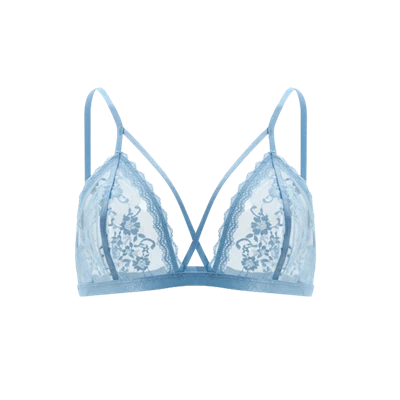
Correct Size is Basic but Not Everything
Correct size is only one prerequisite for avoiding riding up.
- Cup fit to breast shape is crucial: Even with the correct size, if the cup structure doesn't fit the breast shape, gaps or shifting may occur.
- Underbust stability is significantly affected: A loose underbust band will cause the bra to ride up, leading to riding up.
In addition to confirming the size, overall fit is also important.
Shoulder strap adjustment affects cup position
The condition of the shoulder straps directly affects the stability of the bra.
- Too loose, causing slippage: Overly loose straps cause the cups to lose support, increasing the likelihood of shifting.
- Too tight, altering structural stress: Excessive tightening can cause abnormal cup positioning, affecting the fit.
Properly adjusting the shoulder straps helps maintain cup stability.
Bra shape and design are equally important
Different designs have a significant impact on stability.
- Cup structures differ significantly: Different styles offer varying levels of coverage and support.
- Side and back designs affect stability: A more rational structure makes the bra less prone to shifting.
Choosing the right shape can reduce shifting.
Activity also affects performance
Body movements change the stress distribution on the bra.
- Daily activities cause shifting: Bending, stretching, and other movements can cause the bra to change position.
- Higher stability is required during exercise: In dynamic environments, a more precise fit is crucial.
Choosing the right style based on your activity level helps improve stability.
Choosing the right size is indeed crucial to avoiding bra slippage, but it doesn't completely guarantee that the bra won't slip. By considering factors such as shoulder strap adjustment, fit selection, and actual activity needs, you can more effectively reduce slippage. Paying attention to the overall structure and wearing details helps ensure the bra maintains a stable fit in different situations. Combining these factors results in a more comfortable and natural wearing experience, as well as improved stability and reliability for daily use.