

Choosing a strappy cage bra wholesale supplier involves finding designs that suit your target customers while meeting your business requirements. Featuring intersecting straps, cutout details, and distinctive silhouettes, cage bras require careful attention to fit and construction. A design that looks appealing in a product photo may not provide the same fit across different body proportions. For lingerie retailers and brands, supplier selection should therefore consider size availability, material quality, customization options, pricing, and production consistency. Evaluating these factors before ordering helps you choose products that align with your collection strategy, manage purchasing risks, and offer customers more suitable style options.
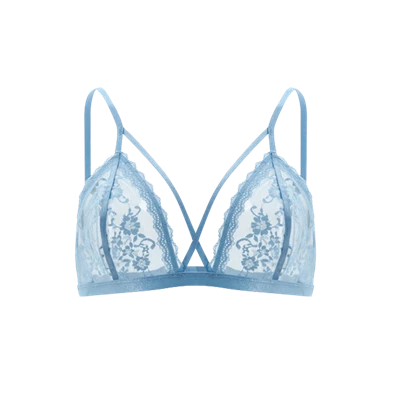
Identify Designs for Different Body Types
Strap placement and garment structure influence how a cage bra fits different body proportions. Start by identifying the styles and fit characteristics your customers need.
- Smaller busts: Designs with layered straps and geometric patterns can create visual detail without relying on heavy padding. Check whether the cups and straps sit correctly without gaps or excessive looseness.
- Fuller busts: Prioritize appropriate cup coverage, a stable band, adjustable straps, and secure attachment points. Decorative straps should not be treated as a substitute for adequate support.
- Different torso proportions: Adjustable straps and flexible fastening positions can accommodate some variations in body shape. Review the available adjustment range to determine whether the design offers sufficient flexibility.
Selecting styles according to actual fit requirements helps create a more inclusive and commercially relevant collection.
Inspect Materials and Construction
Strappy cage bra quality depends on materials and assembly. Check elastic straps for stretch, recovery, and finish to ensure suitable tension without excessive tightness. Inspect rings, sliders, seams, and strap intersections for secure attachment and neat finishing, especially in multi-strap designs. Check skin-contact edges and seams for roughness or irritation, and confirm decorative hardware sits comfortably. Review physical samples to identify construction issues before ordering.
Confirm Sizing and Customization Capabilities
A suitable supplier should explain how each design accommodates different sizes and which product details can be customized.
- Available sizes: Request the size range for each style, including the corresponding band and cup measurements. Availability may differ between designs, so verify the specifications individually.
- Fit grading: Ask how strap lengths, cup dimensions, and band measurements change between sizes. Consistent measurement standards make it easier to select products for your intended customer base.
- Custom development: If you need distinctive products, discuss changes to strap arrangements, colors, hardware finishes, labels, and packaging. Confirm any additional sampling costs or minimum order requirements before approving modifications.
Clear sizing information and defined customization options help you develop a collection that reflects your brand's needs.
Compare Wholesale Costs and Order Terms
Commercial terms determine whether a supplier fits your budget and inventory plans. Confirm whether minimum order quantities apply by style, color, or size, and ask about mixed-style orders when testing multiple designs. Check costs for materials, custom components, labels, packaging, and sampling, and ensure quotes reflect actual specifications. Request sampling and production timelines, and clarify how design changes or quantity adjustments affect delivery. Understanding these terms helps calculate purchasing costs and plan inventory accurately.
Verify Quality Control and Supplier Reliability
Consistent production depends on clear product specifications and an established process for checking finished garments.
- Sample approval: Examine the sample's measurements, strap positions, fastening components, and overall fit. Record the approved specifications as a reference for bulk production.
- Inspection procedures: Ask how the supplier checks stitching, strap tension, component security, and visible defects. Agree on the quality requirements that must be met before shipment.
- Communication standards: Evaluate how clearly the supplier answers technical questions, confirms changes, and communicates production updates. Timely information helps you address discrepancies before they affect delivery.
A supplier that follows documented specifications and communicates effectively is better positioned to support repeat orders.
Choosing a strappy cage bra wholesale supplier requires attention to fit, construction, customization, and purchasing conditions. Begin by identifying the body types and style preferences your collection needs to serve, then compare samples against clear measurement and quality requirements. Verify the available size range, inspect strap connections, and confirm order terms before committing to bulk production. These steps help you select products based on practical requirements rather than appearance alone. For lingerie brands and retailers, a suitable supplier should be able to deliver the agreed design specifications and support consistent product development, helping you build a distinctive collection that meets customer expectations.




