

Launching a sustainable lace bra collection involves more than choosing eco-friendly fabrics. Brands also need to consider whether the designs appeal to customers, whether the retail price is competitive, and whether consumers will want to buy the products again. Lace patterns, skin comfort, and overall fit still play a major role in purchasing decisions. If material costs are too high or the finished bras lose their shape after a few washes, even a strong sustainability concept may struggle to generate consistent orders. For businesses building their own lingerie brands, defining market demand, material specifications, and production plans early can make product development much more practical.
Which Product Lines Are Suitable for Sustainable Lace Bras?
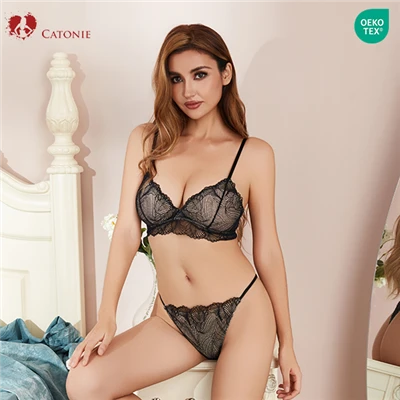
Sustainable lace bras do not necessarily need to be positioned as expensive premium products. Everyday collections can focus on comfort, durability, and easy styling, while premium lines can stand out through intricate lace patterns, distinctive colors, and refined construction details. Brands should define their target customers and expected retail prices before deciding on fabric standards, design complexity, and product quantities. This helps prevent development costs from exceeding the original budget as new requirements are added.
- Everyday basics: Focus on practical designs, soft linings, wash durability, and colors that are easy to coordinate with other lingerie.
- Premium lace styles: Use distinctive patterns, strategically placed sheer details, or contrasting colors to create a recognizable brand identity.
- Sustainability-focused collections: Clearly document material composition, sourcing information, and relevant supporting evidence so customers can understand what makes the product different.
What Material Information Is Needed to Customize Sustainable Lace Bras?
Before contacting a manufacturer, brands do not need an overly complicated document, but they should clearly explain the product they want to develop. Design sketches, reference images, target sizes, preferred fabric textures, and color requirements can help the development team determine which materials are suitable. If the brand plans to use recycled nylon or certified fibers, it should also verify the fiber percentages, material sources, and supporting documentation. This helps ensure that the fabric used in production matches the information presented on the product page.
Prepare the following information before discussing material options:
- Design references: Provide sketches or reference samples, highlighting the lace patterns, joining positions, and design details that must be retained.
- Fabric specifications: Clearly state fiber composition, stretch requirements, fabric thickness, and lining preferences to make material comparisons easier.
- Sustainability documentation: If the product will be promoted as using recycled or certified fibers, confirm that the supporting documents are valid and apply to the actual materials being purchased.
Clear documentation also makes potential issues easier to identify during discussions. Some specialty lace fabrics have high minimum order quantities, some offer limited color options, and others require longer production lead times. Clarifying these details early is much easier than replacing materials after the design has been finalized.
How Can You Control the Cost and Quality of Sustainable Lace Bras?
Fabric prices account for only part of the total manufacturing cost. Lace pattern placement, lining consumption, trims, and sewing processes all influence the final garment price. Styles that require symmetrical or continuous lace patterns may also generate additional cutting waste. Brands can retain the design features that make the product distinctive while discussing more practical material combinations and construction methods with the manufacturer. This helps avoid unnecessary costs without losing the collection's visual appeal.
- Optimize lace placement: Check pattern direction and symmetry before cutting to reduce fabric waste.
- Test washing performance: Inspect finished bras for shape distortion, color fading, and reduced elasticity after washing.
- Keep approved samples: Record fabric details, colors, measurements, and construction features as references for bulk production inspections.
Check batch consistency: Confirm that material specifications remain consistent for repeat orders to avoid noticeable differences in color or hand feel.
How Do You Choose a Sustainable Lace Bra Manufacturer?
Choosing the right manufacturer involves more than comparing quotations. Brands should also consider whether the factory understands their product requirements, can source suitable materials, and has the capability to maintain consistent quality across repeated orders. Brands with finalized designs or technical packs can use OEM manufacturing, while those still developing their collections can explore ODM services to discuss lace patterns, fabric combinations, and garment construction. During initial discussions, it is helpful to share the target retail price, estimated order quantity, and material requirements so the manufacturer can propose a practical production plan.
CATONIE has provided lingerie OEM manufacturing services since 2013 and has gradually expanded into ODM product development, with an R&D center in Dongguan. Brands can share design concepts, reference samples, or technical documents to discuss material selection, style development, and bulk production requirements. If you are looking for a Sustainable Lace Bra Manufacturer to launch your own sustainable lingerie collection, contact CATONIE to discuss your product plans and development needs.
Developing sustainable lace bras does not require launching a large collection from the beginning. Start with one clearly positioned core product, verify its material information, wearing performance, and actual cost, then decide whether to expand into additional colors and sizes. This approach can make inventory management and future investment easier to control. For private label brands, a product with a clear identity, consistent quality, and verifiable material credentials can also provide a solid starting point for future collection development.




