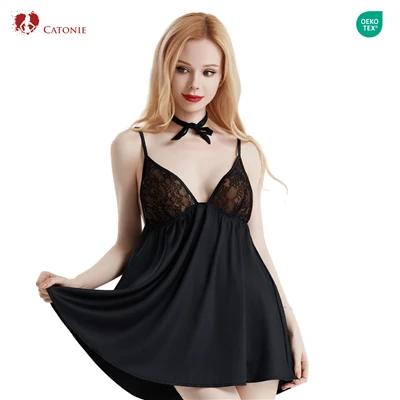
When buying a bra set, many people refer to a size chart to determine if it fits. However, the numbers, letters, and different brand labeling methods can be confusing. Understanding a bra set size chart is not just about knowing what size a number corresponds to, but more importantly, understanding the relationship between bust, underbust, cup size, and fit. Mastering these basic principles helps reduce sizing errors and improves wearing comfort.

Understanding the Basic Parameters in the Size Chart
A bra set size chart usually includes underbust, overbust, cup size, and corresponding size markings. This information is fundamental for determining size. Underbust usually corresponds to a number, such as 70, 75, 80, etc., representing the underbust measurement; cup size is usually represented by letters, such as A, B, C, etc., to reflect differences in breast volume. Many people only focus on the overall size when looking at a size chart, ignoring that the combination of numbers and letters constitutes the complete size information. Understanding how these two parameters combine is an important prerequisite for correctly using a size chart.
Size Standards May Difference Between Brands
Even when the same size is labeled, different brands may have different fits. Therefore, you cannot judge whether it fits based on a single size alone. Some brands have a tighter fit, with a more fitted underbust design; others are more elastic, resulting in a looser fit. There may also be conversion differences between imported sizes and common domestic sizing systems. Therefore, when consulting a size chart, you need to consider the specific measurement standards provided by the brand, rather than relying solely on past experience. Comparing specific size data is usually more reliable than just looking at the label.
Size Charts Should Be Used in Conjunction with Measurement Data
Simply referring to a size chart without measuring your own measurements can easily lead to size selection errors. Therefore, it's best to understand your basic measurements before using a size chart. Usually, you need to combine your upper and lower bust measurements and then match them with the size chart to determine your suitable fit.
- Measure your underbust circumference to determine the corresponding range of measurements.
- Measure your bust circumference to determine the cup size range.
- Match the cup type to the difference between your underbust and bust circumference.
- Check the recommended size against the brand's size chart.
- If you are between two sizes, consider the fit.
By combining measurement and comparison, it's easier to find the right size than simply relying on experience.
Set Design Also Affects Size Selection
Underwear sets not only have basic size differences, but different design styles also affect the actual choice. For example, push-up designs, wire-free styles, and high-elastic fabric styles will differ in terms of coverage and fit. Some styles may have the same size, but due to differences in structural design, the wearing experience will be significantly different. When looking at the size chart, if the product page has a fit description, you should also refer to it. Understanding the size and style structure is often more practical than just looking at the numbers.
Understanding the Size Chart and Paying Attention to the Fitting Logic
Size charts are a reference for selection, but comfort should ultimately be judged based on the actual wearing logic. For example, a suitable size doesn't necessarily mean a perfect fit. If the shoulder straps are constricting, the band is too tight, or the cups are empty, it indicates that an adjustment may be needed. Many established brands also provide fitting advice based on their size charts, and this information is also worth considering. Understanding the size chart is fundamental; only by combining it with the fit, measurements, and fitting logic can you truly improve the accuracy of choosing the right size for your lingerie set.