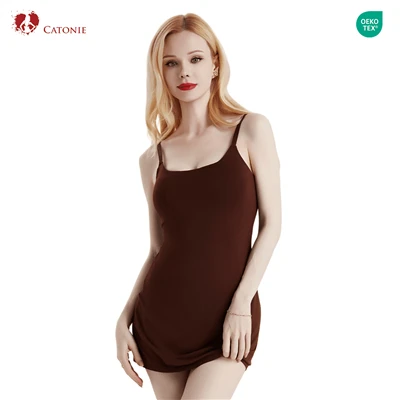
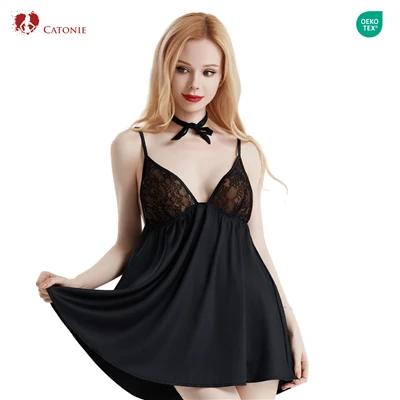
Lingerie is worn directly against the skin every day, so the choice of fabric can make a noticeable difference. Some consumers prefer soft and skin-friendly materials, while others care more about breathability, moisture management, stretch, shaping performance, or a luxurious feel. There are plenty of lingerie fabrics on the market, including cotton, modal, nylon, polyester, silk, and lace, and each one has its own characteristics. A higher price does not automatically make a fabric the right choice for every product. For lingerie brands, understanding the properties of different lingerie fabrics makes it easier to match materials with design, comfort, and product positioning.

What Are the Most Common Lingerie Fabrics and Their Characteristics?
Different lingerie fabrics can create very different wearing experiences. Cotton offers a natural and comfortable feel, modal is known for its softness and smooth texture, while nylon and polyester are often selected for products that require stretch, durability, or performance. Silk stands out for its refined texture, while lace adds visual appeal and a more delicate look. During product development, fabric selection should go beyond the material name and consider how the fabric performs in the finished garment.
- Cotton lingerie fabrics are soft and breathable, making them suitable for everyday underwear and basic lingerie styles.
- Modal feels smooth and gentle against the skin, with good drape for panties, camisoles, and loungewear.
- Nylon offers good durability and stretch, making it common in seamless lingerie, shapewear, and active styles.
- Polyester provides good strength and quick-drying performance, so it is often used in sports lingerie and performance-oriented products.
- Silk has a smooth, lightweight feel against the skin and works well for premium lingerie, sleepwear, and luxury collections.
- Lace adds texture and visual detail, making it popular for bras, panties, and sensual lingerie designs.
There is no single fabric that works best for every lingerie product. Cotton and modal may be more suitable for everyday panties, while sports lingerie needs stronger stretch and moisture management. Lace-focused products require more attention to softness and structural stability.
What Is the Difference Between Cotton, Modal, and Nylon Lingerie Fabrics?
Cotton, modal, and nylon are all widely used in lingerie, but they do not feel or perform the same way. When developing a product, comparing fabrics through actual wearing scenarios can make material selection much easier and more practical.
|
Fabric |
Feel |
Breathability |
Stretch Performance |
Common Products |
|
Cotton |
Soft and natural |
Good |
Moderate |
Everyday panties, basic lingerie |
|
Modal |
Smooth and soft |
Good |
Good |
Panties, camisoles, loungewear |
|
Nylon |
Smooth and resilient |
Moderate |
Good |
Seamless lingerie, bras, shapewear |
|
Polyester |
Dry and durable |
Moderate |
Good |
Sports lingerie, performance lingerie |
|
Silk |
Smooth and delicate |
Good |
Moderate |
Premium lingerie, sleepwear |
|
Lace |
Lightweight and textured |
Depends on construction |
Depends on composition |
Bras, panties, decorative lingerie |
For everyday comfort products, cotton and modal are often easy choices for consumers to accept. Seamless lingerie and shapewear require good stretch, recovery, and fabric stability, making nylon-based materials more common. Premium collections can incorporate silk, fine lace, or other refined materials to create a more elevated product experience.
Which Lingerie Fabrics Are Suitable for Different Products?
The purpose of the product is a practical starting point when choosing lingerie fabrics. Bras, panties, sleepwear, and sports lingerie have different pressure points, movement requirements, and skin-contact needs. Choosing the wrong fabric can affect comfort and even create production problems after the design has already been finalized.
- Everyday panties can use cotton or modal to provide a soft feel and comfortable experience for frequent wear.
- Seamless bras and panties usually require smooth surfaces along with reliable stretch and recovery.
- Sports bras and active lingerie need moisture management, quick drying, stretch, and durability rather than softness alone.
- Sleepwear and premium loungewear can use silk, satin, and other fabrics with a more luxurious texture.
Different fabrics can also be combined within the same product. A bra does not necessarily need to use one material from top to bottom. The main fabric, lining, cup construction, and decorative sections can use different materials where appropriate. This gives designers more flexibility while maintaining comfort and functional performance.
How Can You Choose Lingerie Fabrics for Both Comfort and Product Positioning?
When developing lingerie, it is easy to focus heavily on colors, patterns, and silhouettes while leaving fabric selection until later. In actual production, the fabric can influence fit, construction, sewing performance, and the final feel of the garment. A practical fabric choice should take the target consumer, product price, wearing scenario, and manufacturing process into account instead of simply choosing the material that sounds the most premium.
- For everyday mass-market lingerie, fabrics that are soft, stable, easy to care for, and comfortable for frequent wear are often a practical choice.
- For younger and fashion-focused collections, lace, mesh, satin, and similar materials can add visual interest and make basic silhouettes more distinctive.
- For sports and shapewear products, stretch, recovery, durability, and wearing stability deserve greater attention.
- For premium collections, silk, fine lace, and carefully planned fabric combinations can enhance the overall product feel while maintaining skin comfort.
Fabric selection should ultimately be tested on the actual product. A material that feels excellent in its raw form may behave differently after cutting, stretching, stitching, and finishing. Testing fabric, fit, and construction together during the sample stage can help identify problems early and reduce the risk of discovering material issues after bulk production has started.
Different lingerie fabrics have their own strengths. Cotton is known for its natural comfort, modal offers a soft and smooth feel, nylon and polyester are suitable for products that require stretch, durability, or performance, silk brings a refined and luxurious touch, while lace is ideal for adding visual detail and texture. For lingerie brands and OEM/ODM manufacturers, fabric selection should not be based only on material names or prices. Product type, target consumers, wearing scenarios, and manufacturing requirements all need to be considered together. Choosing the right lingerie fabric helps create a better balance between comfort, appearance, performance, and overall product positioning.