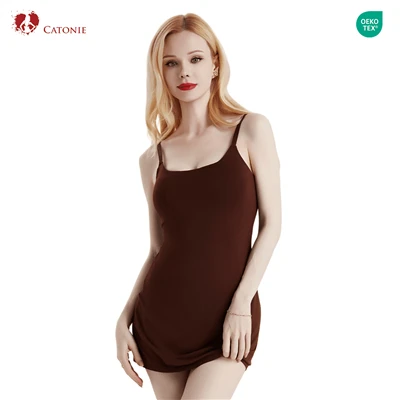
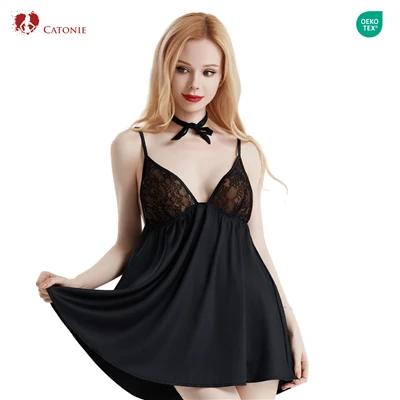
With the development of textile technology, an increasing number of "tech-fabric" underwear products have appeared on the market. These pieces often highlight features such as moisture-wicking, quick-drying, antibacterial properties, or shaping support. However, many consumers are unsure: are these functions really practical? How do tech fabrics perform in terms of quality and comfort? Choosing the right tech-fabric underwear requires consideration of material properties, functional performance, wearing experience, and maintenance.

Common Materials in Tech-Fabric Underwear
Tech underwear fabrics usually achieve their functions through special fibers or weaving techniques.
- Polyester: Lightweight and quick-drying, though breathability varies by production method.
- Nylon blends: Enhance strength and elasticity while improving fit.
- Spandex: Provides good stretch, allowing the underwear to contour the body.
- Silver-infused or bamboo charcoal fibers: Often used for antibacterial or odor-resistant purposes.
- Functional coatings or finishes: Such as UV protection or water resistance, suitable for specific scenarios.
The ratio and processing of these materials directly affect the comfort and durability of the tech fabric.
Core Functions of Tech-Fabric Underwear
These functions are the main selling points, but their effectiveness can vary.
- Moisture-wicking: Fiber structures or hydrophilic treatments help spread sweat quickly.
- Quick-drying: Some fabrics dry rapidly, reducing heat and discomfort.
- Antibacterial and odor control: Silver or bamboo fibers can inhibit bacterial growth to a certain extent.
- Shaping support: Elastic fibers and weaving techniques help maintain the body's contours.
- Temperature regulation: Some advanced fabrics use special fiber structures to help adjust body temperature.
When selecting, it's important to match the fabric's functions with actual wearing needs rather than relying solely on marketing claims.
Wearing Experience and Comfort Analysis
The reliability of tech-fabric underwear largely depends on real-world comfort.
- Soft, smooth textures are more skin-friendly and reduce friction irritation.
- Breathability affects long-term comfort; poor airflow can lead to heat buildup.
- Stretch and fit must balance comfort and support-too tight causes pressure, too loose reduces shaping effect.
- Retention of functional performance after multiple washes is key to durability.
- Special-function fabrics may require specific washing methods; improper care can diminish effectiveness.
Real wearing experience often reflects fabric quality better than promotional claims.
Suggestions for Choosing Tech-Fabric Underwear
Practical selection helps avoid spending on ineffective products.
- Prioritize items with clear material descriptions and transparent fiber composition.
- Choose functions based on usage scenarios-for exercise, focus on moisture-wicking and quick-drying; for daily wear, focus on softness and breathability.
- Check elasticity and fit to ensure it suits your body type.
- Consider care instructions to understand the fabric's durability and maintenance.
- Try single items or small pieces first to evaluate comfort before committing to full sets.
Scientific assessment is more valuable than blindly following marketing claims.
Tech-fabric underwear is not merely a gimmick. Its comfort and practicality depend heavily on material, craftsmanship, and personal needs. Different functional fabrics vary in moisture-wicking, quick-drying, antibacterial properties, and shaping support. Choosing underwear should combine texture, breathability, elasticity, and ease of care. Selecting wisely and evaluating through real wearing experience ensures that tech-fabric underwear delivers comfort and convenience in daily life.