

When choosing shapewear underwear, many people focus on design or size, while overlooking a more fundamental factor-underwear fabric. In reality, shaping performance is not only determined by structure, but also by the fabric's elasticity, thickness, and rebound ability. Different underwear fabrics can significantly affect compression, support, and long-term stability. If the fabric is not chosen properly, even the same design may result in weak shaping, discomfort, or loss of firmness over time.
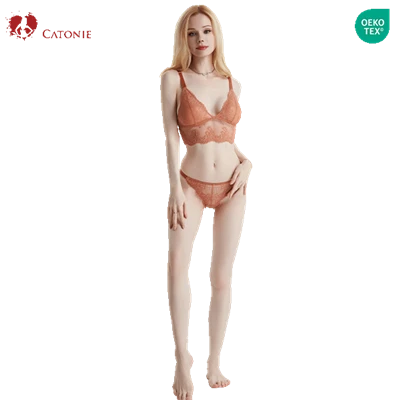
Why Does Underwear Fabric Influence Shaping Performance?
The core of shaping lies in pressure distribution and rebound stability, both of which are closely related to fabric properties.
- Fabrics with insufficient elasticity cannot provide stable support.
- Poor rebound performance may lead to sagging after wearing for a while.
- Uneven fabric thickness can cause inconsistent shaping across different areas.
- Loose weaving structure reduces overall compression effectiveness.
- Overly soft fabrics without structural strength may fail to support shaping.
In short, underwear fabric determines whether shaping can truly be achieved, not just whether it feels comfortable.
Which Fabrics Are Better for Shapewear?
Different materials perform very differently in terms of support and compression.
- High-stretch nylon fabric: tightly structured and commonly used for main shaping areas.
- Spandex blends: provide essential elasticity and help contour the body naturally.
- Dense microfiber: soft texture with stable compression performance.
- Double-layer composite fabrics: enhance shaping through structural reinforcement.
- Zoned mesh panels: improve breathability while maintaining structural support.
These fabrics are usually combined rather than used alone to achieve balanced shaping effects.
How Elasticity and Rebound Affect Real Shaping Results
Many people assume tighter means better shaping, but the reality is more complex.
- High elasticity with weak rebound leads to short-term fit but long-term deformation.
- Low elasticity may feel tight but fails to create natural curves.
- Stable rebound fabrics return to shape quickly after movement.
- Even stretch distribution helps maintain long-term structural consistency.
- Zoned elasticity design creates more natural body contouring.
- Whether the fabric deforms after long wear is a key quality indicator.
Effective shaping is not about "holding tightly," but about "recovering properly."
How to Choose the Right Shapewear Fabric for Your Needs
Different situations require different levels of shaping and comfort.
- Daily commuting: medium-elastic fabrics that balance comfort and light shaping.
- Formal occasions: higher-density nylon fabrics for stronger support.
- Long sitting hours: breathable fabrics with stable rebound performance.
- Sports or active movement: high-stretch blends to prevent shifting.
- Sensitive comfort users: softer support fabrics instead of strong compression types.
Choosing based on context is more important than simply pursuing stronger shaping power.
Underwear fabric plays a crucial role in shaping performance. It not only determines support strength but also affects rebound ability and long-term stability. Different materials balance compression and comfort in different ways, with no single universal standard. Ideal shapewear should achieve harmony between fabric and structure, allowing natural body contouring while maintaining comfort. In practical selection, considering usage scenarios and personal comfort is often more important than focusing solely on shaping intensity.




