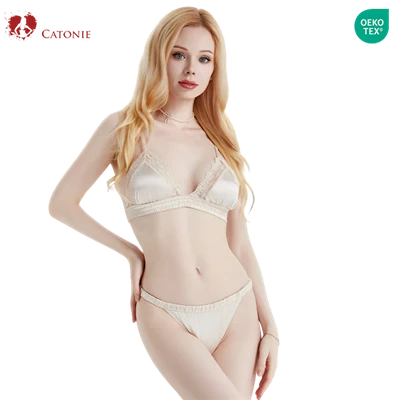
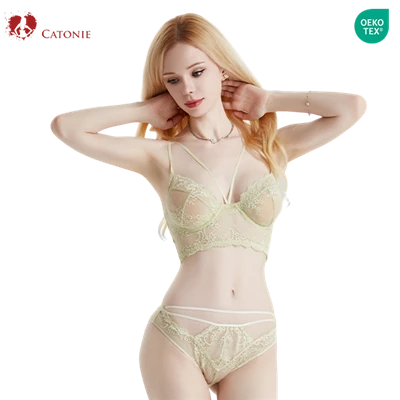
Many people have experienced this when buying lingerie: the size label looks right, but the garment still does not fit properly. The cups may feel uncomfortable, the waistband may be too tight, or the garment may shift out of place during movement. For lingerie brands, these problems are not always caused by choosing the wrong size. Pattern proportions, fabric elasticity, and garment construction can also affect the fit. To serve a wider range of body types, manufacturers need to do more than scale patterns up or down by fixed ratios. They must incorporate real body shape differences into design and sampling so that sizing, fit, and wearing comfort work together.
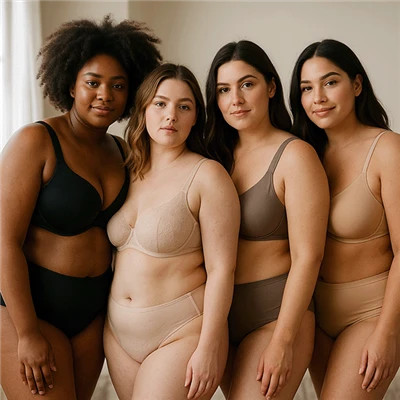
How Should Lingerie Sizes Be Developed? Which Body Measurements Matter?
Bust or waist measurements alone are rarely enough to create an effective lingerie size chart. Bras require consideration of the upper bust, underbust, bust height, and spacing between the breasts, while panties need to account for waist, hip, and crotch measurements. Even when two people have similar circumferences, their body curves may differ significantly. Applying the same fixed proportions across all sizes can lead to gaping cups, pressure, or pulling in certain areas.
When developing a new collection, brands can begin by reviewing common body measurements in their target markets and determining which size ranges to cover. These measurements help create a size chart and guide pattern makers in deciding how each size should change. For groups with more noticeable differences in body proportions, fitting tests are also necessary to verify whether the measurements work in practice rather than simply adding more size labels.
How Should Lingerie Patterns Be Adjusted for Different Body Types?
Differences in body shape directly affect lingerie fit and support. Even at the same nominal size, bust shape, shoulder and back proportions, and waist-to-hip curves can produce very different wearing experiences. Pattern development needs to translate these differences into specific adjustments while preserving the product's original design and making the finished garment more suitable for real bodies.
- Cup design: Bust fullness and shape vary, so cup depth, width, and apex position may need adjustment to prevent compression, gaping, or insufficient coverage.
- Straps and back band: People with narrower shoulders or different back proportions may need changes to strap placement, length, and back construction to reduce slipping and upward shifting.
- Waist and hip fit: Panties should balance waistband comfort with sufficient hip room, preventing a tight waist from being accompanied by pulling around the hips.
- Side wings and elasticity: For styles requiring greater coverage, adjusting wing width and elastic distribution can help reduce rolling and shifting during movement.
These adjustments do not always require a complete redesign. In some cases, refining local proportions or connection points can noticeably improve the fit. However, fabric stretch and trims also influence the final result, so revised patterns still need to be validated through sample production and fitting.
How Can Lingerie Manufacturers Test Fit Across Different Sizes?
Measurements and patterns are only the starting point. Actual garment testing is essential for confirming fit. A bra or pair of panties may look smooth when the wearer is standing still, but that does not guarantee a comfortable fit while walking, raising the arms, or sitting down. During sampling, manufacturers should observe how the garment performs on different body types and check fabric recovery after stretching to prevent sagging or shifting after a period of wear.
|
Test Item |
What to Check |
Common Adjustments |
|
Cup fit |
Compression, gaping, or insufficient coverage |
Adjust cup depth, width, and shape |
|
Band stability |
Whether the band rides up or feels too tight during movement |
Refine band measurements and elastic recovery |
|
Strap performance |
Slipping or excessive shoulder pressure |
Adjust placement, length, and width |
|
Waist and hip comfort |
Tightness, pulling, or rolling |
Adjust waistband, hip measurements, and crotch space |
|
Measurements after washing |
Shrinkage, loosening, or deformation |
Review fabric properties and production processes |
Testing should cover several representative sizes rather than relying on a single middle size. By recording fitting issues and linking feedback to specific measurements and structural details, pattern makers can make more accurate revisions. Styles made from fabrics that change significantly after washing also require additional checks to prevent approved samples from fitting well while bulk production garments turn out differently.
How Can Lingerie Brands Build a More Flexible Sizing Development Process?
To serve different body types effectively, brands need to connect sizing data, pattern design, and production specifications. Different products do not necessarily require the same development approach. Basic bras may need particular attention to band measurements and cup fit, sports bras require testing for support and stability during movement, and panties need to prioritize waist-to-hip proportions and crotch comfort. Tailoring the testing process to each product makes development more focused and effective.
- Maintain size records: Keep key measurements, pattern data, and fitting notes for each size to support repeat orders and future product development.
- Standardize grading rules: Define which measurements should change with each size and which structural details require separate adjustments, rather than enlarging every part by the same ratio.
- Confirm specifications before production: Check fabrics, trims, finished garment measurements, and critical stitching points to reduce fit differences between production batches.
Meeting the needs of different body types in lingerie manufacturing requires measurement data to play an active role in product development rather than remain on a size chart. With careful size planning, pattern adjustments, fitting tests, and production inspections, brands can reduce fit problems and make better decisions about which styles to develop further. For consumers, well-fitting lingerie should feel natural and comfortable during everyday activities. For brands, a consistent sizing and pattern system provides a stronger foundation for creating products that suit their target markets over time.