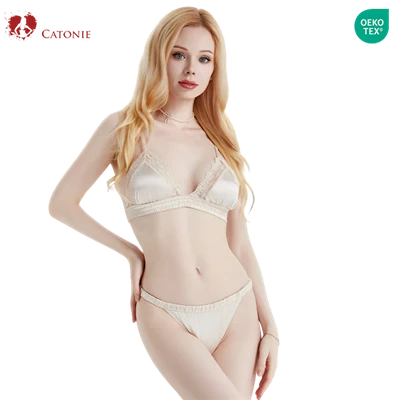
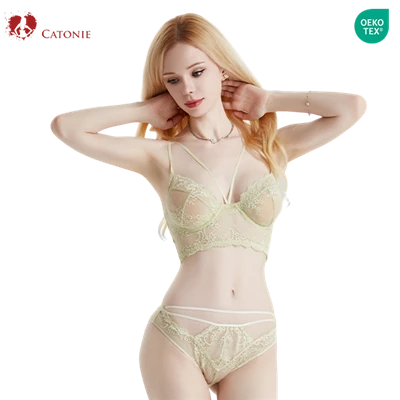
Shopping for underwear can be frustrating when your measurements fall right between two sizes. Choose the smaller size, and it might feel too tight. Go up a size, and it may feel loose or shift around when you move. This situation is quite common, and there is no need to automatically choose either the larger or smaller option. Bras, panties, and seamless underwear all have different fits and fabric stretch levels, so the right choice depends on the product. Instead of relying on the size label alone, check your body measurements and how the underwear feels when worn. This makes it easier to find a comfortable, well-fitting option.
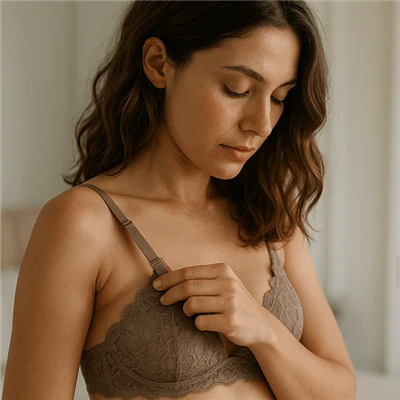
What Should You Do If Your Underwear Size Falls Between Two Sizes?
If your measurements fall between two sizes, start by checking the brand's underwear size chart to see which size is closest to your measurements. For bras, pay attention to your bust measurement, underbust measurement, and cup capacity. For panties, waist and hip measurements are more important. Different body measurements may fall into different size ranges, so one number should not determine the fit of the entire garment.
- Your bra band feels too tight: If it digs into your body or rides up when you raise your arms, try the next size up and check whether the cup still fits properly.
- Your bra cups feel too small: If your breasts spill over the cup edges or bulge at the sides, you may need more cup capacity.
- Your waist or hip measurements are near the upper limit of a smaller panty size: Try the larger size to reduce tightness around the waistband, leg openings, or crotch.
- Your seamless underwear has plenty of stretch: Compare both sizes for fit and comfort, but do not force yourself into a smaller size just to achieve a tighter fit.
The goal is not to choose the largest size or the tightest fit. Identify which area feels wrong before deciding whether to change sizes. This is more reliable than ordering based on guesswork alone.
Should You Size Up or Down in Underwear? Compare Different Styles
Different types of underwear have different requirements for fit and stretch. Regular bras need a stable band and enough cup capacity, while panties should fit closely without digging into the skin. Shapewear also needs to follow the compression level and size range specified for the product. The following underwear size guide can help you decide which size is worth trying.
|
Underwear Type |
When to Consider Sizing Up |
When to Try Sizing Down |
Signs of a Good Fit |
|
Regular bras |
The band feels tight or the cups lack enough room |
The overall fit feels loose while the cup capacity remains suitable |
Stable band, no spillage or empty cups |
|
Seamless underwear |
The garment feels restrictive or limits movement |
The fabric stretches well and the smaller size causes no discomfort |
Close fit with natural movement |
|
Panties |
The waistband or leg openings dig into the skin |
The larger size feels loose or shifts around the crotch |
Comfortable waist and hips, no tight leg openings |
|
Shapewear |
The smaller size causes discomfort or restricts movement |
Only when the product's size range allows it and the fit remains comfortable |
Even compression without restricting normal movement |
Keep in mind that bra sizing involves more than the band measurement. Band size and cup capacity are related, so check the cup shape and fit whenever you try another size. For panties, consider both waist and hip measurements rather than focusing on waistband comfort alone.
How Can You Tell If Your Underwear Size Is Wrong? Fit Checks to Try?
Sometimes the measurements look right on the size chart, but the underwear still feels uncomfortable when worn. The problem may come from the garment's cut, fabric stretch, or the difference between your body proportions and the product's design. Rather than judging the fit while standing still, try raising your arms, bending over, sitting down, and walking a few steps. These everyday movements can reveal fit problems more clearly.
- When trying on a bra, check whether your breasts spill over the cups, the cup edges press against your skin, or noticeable gaps appear.
- Raise your arms and bend over to see whether the band rides up, the straps slip, or the bra shifts out of position.
- When trying on panties, sit down and stand up again. Check for deep marks around the waistband or leg openings and any pulling or shifting around the crotch.
If only one area feels uncomfortable, you may not need to size up the entire garment. A bra may have the wrong cup shape, while panties may not suit your waist-to-hip proportions. Identify the specific issue, then try a neighboring size or a different cut to find a better fit.
How Should You Read an Underwear Size Chart? Tips for Lingerie Brands
For shoppers, a clear underwear size chart makes choosing the right size easier. For lingerie brands, sizing requires more than simply scaling a garment up or down. Waist and hip measurements, cup depth, and band proportions need to change appropriately between sizes. Differences in fabric stretch can also affect the final fit.
- Show clear body measurements: Include bust and underbust measurements for bras, and waist and hip measurements for panties, so shoppers can compare their own measurements directly.
- Test neighboring sizes: Compare the fit of adjacent sizes on real wearers and check for cup spillage, empty cups, tightness, and shifting.
- Check fabric stretch: Repeatedly stretch and wash samples to see whether the underwear loses its shape or becomes noticeably loose after a few uses.
CATONIE provides OEM/ODM lingerie services, including fabric matching, sample development, pattern adjustments, and bulk production. Brands can provide an existing design or technical package, or begin product development with different styles, fabrics, and color options. Testing neighboring sizes and refining samples helps confirm whether the size range works as intended and allows the finished products to fit their target market more comfortably.
If your underwear size falls between two sizes, do not rush to choose the larger or smaller option. Check whether the issue lies with the bra band, cup capacity, waist, or hips, then consider the fabric's stretch and the garment's design. Well-fitting underwear should remain comfortable when walking, sitting, and raising your arms, rather than relying on a tight fit to stay in place. For lingerie brands, clear size charts, well-proportioned patterns, and practical fit testing are equally important for reducing sizing problems and improving the wearing experience.