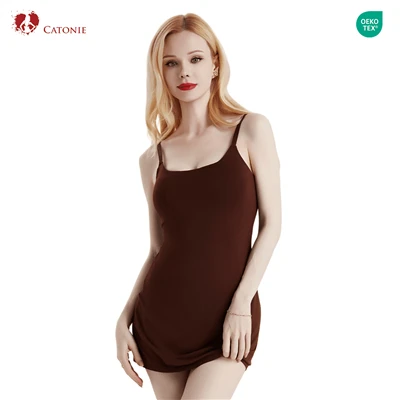
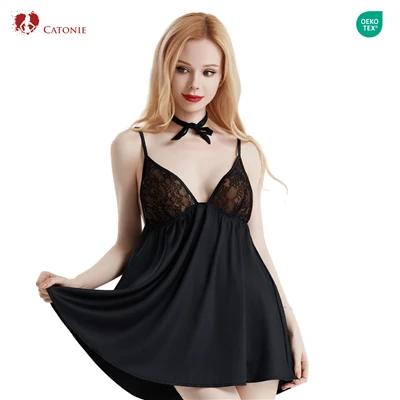
Plus size lingerie has always faced a common design challenge: comfort and appearance cannot be treated as two separate goals. If the fit is made too loose, the garment may look bulky or lack shape. If too much emphasis is placed on body shaping, it can become uncomfortable to wear. Today's consumers expect more from plus size lingerie. They want attractive colors, natural lines, refined details, and styles that do not look outdated. Bringing these needs together from the beginning can create a much more complete product.

How Should Plus Size Lingerie Be Designed for Both Comfort and Style?
The fit of plus size lingerie should not simply be treated as an enlarged version of a standard size. As body proportions change, the cup, side panels, band, and center front may all need to be adjusted. Simply scaling up an existing pattern can make the proportions look heavy and may also reduce the quality of the fit. A better approach is to create enough room for movement while refining the overall lines so the garment feels comfortable without looking bulky.
- The cup shape can be adjusted to provide enough three-dimensional space while maintaining a natural silhouette.
- Side panels do not always need to be wider. Well-planned curves can reduce visual bulk and create a smoother transition around the bust and waist.
- The center front and bridge area should be resized with the garment rather than simply enlarged with the rest of the pattern.
- A smooth band line creates a cleaner appearance and helps prevent excessive fabric bunching after the garment is worn.
When the pattern is properly developed, comfort and appearance do not have to work against each other. The wearer should have enough freedom to move while the garment still looks structured and refined. Spending more time adjusting proportions during pattern development is usually more effective than trying to improve a weak fit with decorative elements later.
How Should Plus Size Lingerie Use Design Details? Different Elements Create Different Effects
Visual appeal often comes from small details rather than complicated decoration. Lace, mesh, embroidery, trims, and color blocking can all change the look of plus size lingerie, but using too many elements at once can make a garment feel heavy. For larger sizes in particular, decorative placement, line width, and color combinations should work with the overall pattern instead of competing with it.
|
Design Element |
Recommended Use |
Common Issue |
|
Lace |
Use on cups, edges, or selected panels |
Large areas can make the garment look heavier |
|
Mesh |
Use in breathable areas or as partial decoration |
Low stretch can affect the fit |
|
Color Blocking |
Use color changes to shape the visual proportions |
Strong contrast can make areas look larger |
|
Embroidery |
Use as a focused decorative detail |
Oversized patterns may look too busy |
|
Trims |
Refine edges and add a polished finish |
Thick trims may cause skin irritation |
A practical approach is to choose one main visual feature and let the other details support it. For a clean design, there is no need to combine lace, embroidery, and strong color blocking all in one garment. For a more decorative style, details can be concentrated around the cups or edges to create a clear focal point. This keeps the design attractive without making the overall garment look overly complicated.
How Can Plus Size Lingerie Create a Slimmer and More Natural Look?
"Flattering" is an important search and buying consideration, but it does not mean the garment needs to rely on excessive compression. A more natural visual effect can come from color, line direction, and panel placement. When these elements are handled well, the wearer can see a smoother overall silhouette without feeling that the lingerie is forcing the body into a particular shape.
- Gradual color transitions can direct visual attention toward selected areas.
- Vertical or diagonal lines can reduce the visual effect of horizontal expansion and create a cleaner silhouette.
- Panel lines on the side and cup should not be overly fragmented, as continuous lines tend to create a more polished appearance.
- Lace and mesh can be placed in areas where a lighter visual effect is needed instead of covering the entire garment with heavy decoration.
- Pattern sizes should be adjusted for larger lingerie sizes rather than transferring small-size graphics without modification.
This approach is very different from simply trying to make the body feel tighter. Consumers want plus size lingerie that allows them to move comfortably while also creating a balanced overall appearance. Using lines and details for visual shaping is often more effective than continuously increasing compression.
How Should Plus Size Lingerie Be Tested for Comfort and Appearance During Sampling?
A design that looks attractive on a sketch does not automatically mean it will perform well when worn. The actual result becomes much clearer during sample fitting. Some details may look refined when the garment is laid flat but shift, stretch, or lose their proportions once they are placed on the body. Finding these issues during sampling makes later adjustments much easier.
- Check the cup, side, and lower band lines during fitting to make sure they remain smooth without excessive wrinkling.
- Test the garment while raising the arms, bending, and turning to see whether lace, mesh, and panel lines stay in position.
- Compare different sizes to make sure the visual proportions remain balanced instead of becoming bulky as the size increases.
- Check areas where fabric and trims touch the skin to make sure decorative elements do not create noticeable irritation.
- Test samples on different body shapes rather than relying on one fitting model.
If the sample feels comfortable but looks too plain, color, paneling, or selected decorative details can be adjusted. If the design looks attractive but creates pressure, friction, or restricted movement, the pattern and materials need another review. During plus size lingerie OEM/ODM development, CATONIE can connect pattern making, fabric selection, sampling, and production checks to help ensure that the finished design works beyond the original sketch.
Designing plus size lingerie that looks good and feels comfortable is not about choosing one over the other. The fit provides the foundation, the fabric affects the wearing experience, while color, lines, and decorative details shape the visual impression. When these elements are planned together, plus size lingerie can avoid looking plain simply for the sake of comfort and avoid sacrificing everyday wearability for appearance. That balance is increasingly important for consumers looking for lingerie that feels good, looks refined, and fits naturally.