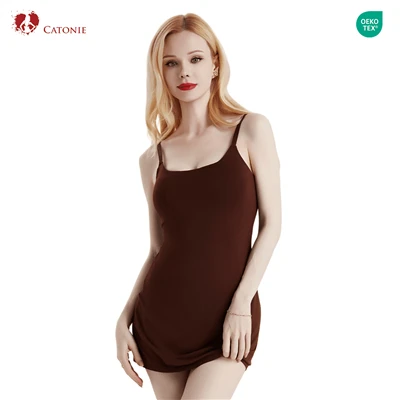
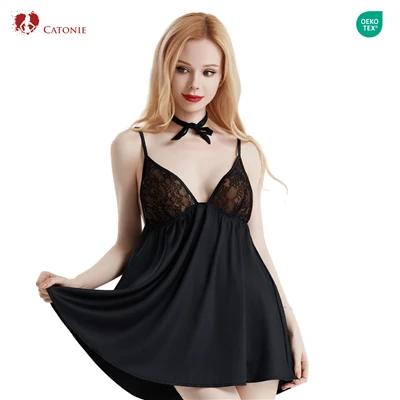
For underwear manufacturers, fabric selection is one of the most important steps during product development. Whether underwear feels comfortable to wear is not only related to the design and fit but also directly affected by the fabric. Softness, breathability, elasticity, and durability all influence the consumer's wearing experience. Today, there are many types of underwear fabrics available on the market, including cotton, modal, silk-like fabric, Lycra, nylon, and more. Each material has its own characteristics, so manufacturers need to choose fabrics based on product positioning and customer needs. The right fabric can help underwear products better match market demands and improve brand competitiveness.

Choose Suitable Fabrics Based on the Underwear Product Positioning
When developing underwear products, manufacturers first need to consider the target customers and the main purpose of the product. Different types of underwear have different requirements for fabrics. If the direction is unclear at the beginning, the final product may not achieve the expected results.
Fabric selection can be based on:
- Everyday basic underwear usually requires soft and skin-friendly fabrics for long-term comfort.
- Sports underwear needs good elasticity and moisture absorption to support body movement.
- Plus size underwear requires fabrics with proper support while reducing a restrictive feeling.
- Seamless underwear usually focuses more on fabric flexibility to create a smoother appearance.
Different products have different requirements, and a higher-priced fabric is not always the best choice for every underwear style. For example, if everyday comfort underwear uses fabric that is too thick, it may reduce breathability. Sports underwear with insufficient elasticity may also affect the wearing experience. Manufacturers need to understand the product features first and then select a suitable fabric solution.
Test Fabric Performance from Multiple Aspects
Many consumers focus on whether underwear feels soft when choosing products, but for manufacturers, fabric testing involves much more. A fabric needs to go through cutting, sewing, washing, and other production processes before becoming a finished product. The final performance may be different from the original touch and feel.
Manufacturers should pay attention to:
- Breathability to prevent a stuffy feeling during hot weather.
- Elastic recovery to reduce looseness after long-term use.
- Moisture absorption to improve close-to-skin comfort.
- Stability after washing to avoid shrinkage or deformation.
Some fabrics may feel excellent when first touched but can experience problems such as reduced elasticity or pilling after repeated washing. Since underwear is a frequently used product, manufacturers need to focus on long-term fabric performance to ensure stable product quality.
Consider Production Costs and Supply Stability When Choosing Fabrics
Underwear production is not only about product quality but also about whether the fabric can support long-term manufacturing. If a fabric is difficult to source or has large price fluctuations, it may affect the entire production schedule. For this reason, manufacturers need to evaluate supply chain conditions when selecting fabrics.
Before mass production, manufacturers should confirm:
- Whether the fabric cost matches the product's market positioning.
- Whether suppliers can provide a stable and continuous supply.
- Whether different fabric batches maintain consistent quality.
For brands, fabric selection requires finding a balance between quality and cost. Some products targeting the mass market do not necessarily need the most expensive materials. Instead, they need fabrics with stable performance, convenient production processes, and good consumer acceptance. A reliable supply capability also helps brands develop more products in the future.
Confirm the Actual Fabric Performance Through Sample Production
After selecting the fabric, manufacturers still need to create samples and test the final results. A fabric's performance when displayed separately may be different after it is made into underwear. The same material can create different results when used in different styles and structures.
During the sample stage, manufacturers should check:
- Whether the fabric works well with the underwear pattern and structure.
- Whether the underwear easily changes shape or shifts during wear.
- Whether the fabric performs consistently across different sizes.
Sample testing helps manufacturers identify potential problems between fabric and production techniques in advance. If issues such as insufficient elasticity, poor fit, or difficult processing are discovered, the production plan can be adjusted before mass manufacturing, reducing later modification costs.
Choosing the right production fabric requires underwear manufacturers to consider product positioning, consumer needs, production costs, and actual wearing performance. Different fabrics have different characteristics, and the key is finding the material that best matches the product direction. Through early testing, sample confirmation, and supply chain evaluation, manufacturers can better control product quality and improve comfort, durability, and market performance. For underwear brands, choosing suitable fabrics affects not only individual products but also the long-term stability and development of the brand.