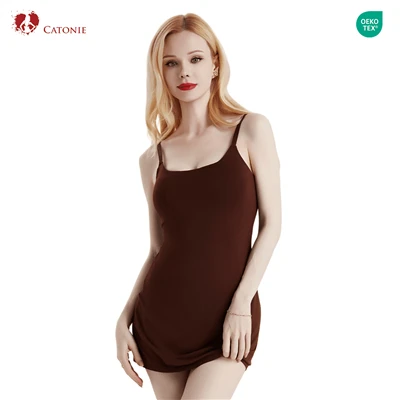
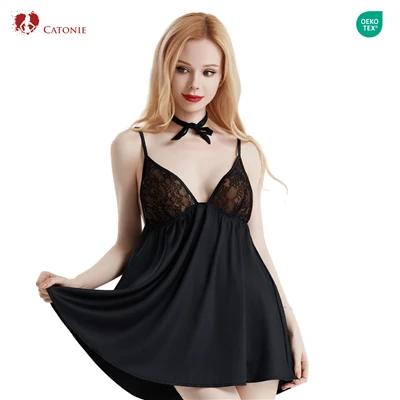
As consumers become more concerned about healthy wearing and environmental protection, the underwear industry is also paying more attention to sustainable production methods. In the past, people mainly focused on softness, elasticity, and design when choosing underwear. Today, more consumers also care about where fabrics come from, how they are produced, and whether they are more environmentally friendly. For underwear manufacturers and brands, choosing suitable eco-friendly underwear fabrics can not only meet market demand but also help create more distinctive products. Sustainable fabrics do not mean sacrificing comfort. Many new materials now offer excellent softness, breathability, and wearing performance, and they are increasingly used in everyday underwear, plus size underwear, and functional underwear products.

Recycled Fiber Fabrics Have Become an Important Choice for Eco-Friendly Underwear
Among eco-friendly underwear fabrics, recycled fiber materials are one of the most widely used options today. These fabrics are usually made by processing renewable resources or recycled materials through special techniques. They help reduce resource waste while maintaining good wearing performance.
Common recycled fiber fabrics include:
- Recycled modal, made from regenerated wood pulp resources, with a soft touch and suitable for close-to-skin wear.
- Tencel fabric, sourced from renewable wood materials, with good breathability and moisture absorption.
- Recycled nylon, produced from recycled materials and offering good wear resistance.
These eco-friendly fabrics are becoming increasingly popular in underwear production because they support sustainable development while meeting consumers' expectations for comfort. For brands, using recycled fiber fabrics in underwear production can also create product differences and help consumers better recognize the brand's environmental values.
Natural Eco-Friendly Fabrics Combine Comfort and Skin-Friendly Benefits
Natural fibers have always been an important material source in underwear production. Compared with some synthetic materials, natural fabrics are usually closer to the skin and provide advantages in breathability and comfort. For people with sensitive skin or those who prefer a more natural wearing experience, natural eco-friendly fabrics are also a good option.
Common natural eco-friendly fabrics include:
- Organic cotton, produced with reduced use of chemical products during cultivation, offering softness and skin-friendly comfort.
- Bamboo fiber, known for good breathability and a fresher wearing experience.
- Hemp fiber, with strong moisture absorption properties, suitable for lightweight underwear products.
When using natural eco-friendly fabrics for underwear, manufacturers need to adjust the material according to product requirements. For example, pure natural fibers may have limited elasticity, so manufacturers often combine them with a certain percentage of stretch fibers to maintain environmental benefits while improving fit and flexibility.
Functional Eco-Friendly Fabrics Improve Underwear Performance
With the continuous development of the underwear market, eco-friendly fabrics are no longer focused only on sustainable sources. Many manufacturers are now combining environmental concepts with functional performance. Through improved production technologies, some eco-friendly fabrics can save resources while also providing better practical features.
Functional eco-friendly fabrics often provide:
- Good moisture absorption and quick-drying performance to reduce discomfort caused by sweat.
- Better elastic recovery to extend underwear service life.
- More stable shape retention to reduce changes after long-term wear.
- A soft touch suitable for extended close-to-skin use.
For sports underwear, seamless underwear, and plus size underwear, functional performance is especially important. Eco-friendly fabrics that combine comfort with practicality are more likely to meet modern consumers' expectations for underwear products.
What Should Underwear Manufacturers Consider When Choosing Eco-Friendly Fabrics?
Although eco-friendly fabrics are becoming more popular, manufacturers still need to evaluate multiple factors during actual production. Different fabrics have different characteristics, and not every sustainable material is suitable for every underwear product. Selection should be based on product positioning, manufacturing processes, and consumer needs.
Manufacturers should consider:
- Fabric stability, ensuring consistent color and performance during bulk production.
- Production compatibility, checking whether the fabric works well with cutting, sewing, and other manufacturing processes.
- Cost control, maintaining a balance between environmental concepts and market pricing.
The development of eco-friendly underwear fabrics gives brands more opportunities for product innovation. However, during product development, manufacturers still need to conduct sample testing and collect wearing feedback to confirm whether a fabric is truly suitable. Only materials that have been tested in real production can be successfully applied to market products.
The development of eco-friendly underwear fabrics has created more choices for the underwear industry. From recycled fibers and natural materials to functional sustainable fabrics, different materials offer different advantages. For underwear brands and manufacturers, fabric selection should not focus only on environmental concepts but also consider comfort, production stability, and actual consumer needs. Suitable eco-friendly fabrics can help improve product quality while meeting growing market interest in health, comfort, and sustainable development. In the future, sustainable materials will continue to play a bigger role in underwear production, providing brands with more opportunities to create unique and competitive products.