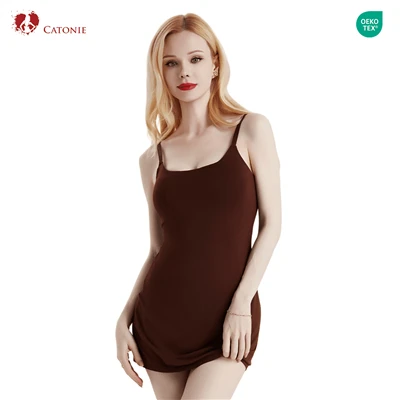
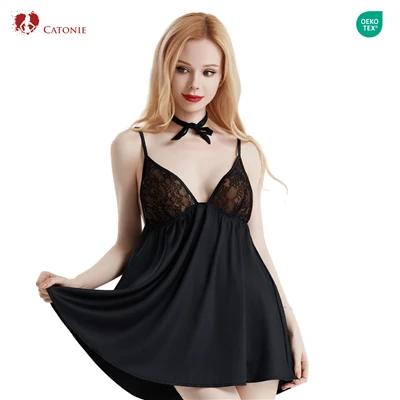
When developing custom lingerie, fabric selection is one of the most important steps. Many brands focus mainly on design and appearance during product development, but the real factors that influence wearing comfort and customer satisfaction often come from the fabric that directly touches the skin. Different lingerie fabrics have different characteristics in terms of elasticity, breathability, softness, support, and durability. If the wrong fabric is selected, even a well-designed lingerie product may fail to meet customers' long-term wearing needs. For lingerie brands, choosing the right fabric is not only about controlling production costs but also about improving product positioning and market competitiveness.

Choose Fabrics Based on the Positioning of the Lingerie Product
Not all lingerie styles are suitable for the same type of fabric. Everyday underwear, sexy lingerie, sports bras, and plus size lingerie all have different requirements for fabric performance. Before developing a product, it is important to define the target customers and usage scenarios, then select fabrics that match the product features.
When choosing lingerie fabrics, consider:
- Everyday lingerie focuses more on softness, skin-friendly comfort, and breathability.
- Sports lingerie requires better elasticity and moisture-wicking performance.
- Premium lingerie can use special fabrics with a stronger texture and luxury feel.
For example, everyday underwear is usually worn for long periods, so fabric comfort is extremely important. Shaping lingerie or plus size lingerie needs fabrics with better recovery and support. Defining the product direction first can reduce later adjustments and help highlight the unique features of the product.
Focus on Fabric Performance to Improve Wearing Comfort
Lingerie is a close-fitting product, so consumers usually have high expectations for comfort. Fabric affects not only the touch and softness but also breathability, fit, and performance after long-term use. A good lingerie fabric needs to balance multiple functions instead of focusing on only one feature.
During fabric selection, pay attention to:
- Whether the elasticity remains stable after repeated washing and wearing.
- Whether the fabric feels soft and comfortable against the skin.
- Whether the breathability is suitable for different seasons.
- Whether the fabric maintains its shape and durability over time.
Different consumers have different needs. Some prefer lightweight and breathable materials, while others focus more on support and coverage. When developing custom lingerie, fabrics should be selected according to the product purpose instead of simply choosing the cheapest option.
Balance Fabric Costs with Product Requirements
Fabric cost is an important part of custom lingerie production, but controlling costs does not mean choosing the lowest-priced materials. Excessively reducing fabric costs may affect product quality and customer experience, which can eventually impact brand reputation.
Fabric costs can be managed through:
- Selecting suitable fabric grades based on product pricing and market positioning.
- Planning purchase quantities properly to reduce inventory waste.
- Combining different fabrics in different areas to improve overall cost efficiency.
Some lingerie products can use fabric combinations to maintain comfort while controlling costs. For example, soft elastic fabrics can be used for the main body, while functional materials can be added to specific areas. This approach can meet design requirements while reducing overall production pressure. For brands developing products continuously, establishing a stable fabric selection system can make future production more efficient.
Confirm Final Fabric Choices Through Sample Testing
During custom lingerie development, fabric should not be selected only based on specifications or pictures. The actual performance needs to be confirmed through sample testing. The same fabric may create completely different wearing effects when combined with different patterns and designs, making the testing stage very important.
During sample evaluation, pay attention to:
- Whether the fabric works well with the lingerie pattern and body shape.
- Whether the product remains stable during movement.
- Whether color, elasticity, and texture remain consistent after washing.
Sample testing helps identify potential problems between fabric and design before mass production, reducing the risk of rework. At the same time, collecting experience with different fabrics during long-term production can help lingerie brands develop new product lines more efficiently.
Choosing the right fabric for custom lingerie requires comprehensive consideration of product positioning, wearing needs, cost planning, and production performance. High-quality lingerie fabrics can improve comfort while helping brands build stronger market competitiveness. From basic underwear to plus size lingerie, and from everyday products to functional styles, different needs require different fabric solutions. For lingerie brands, proper fabric planning and testing can reduce production issues and create products that better match customer expectations.