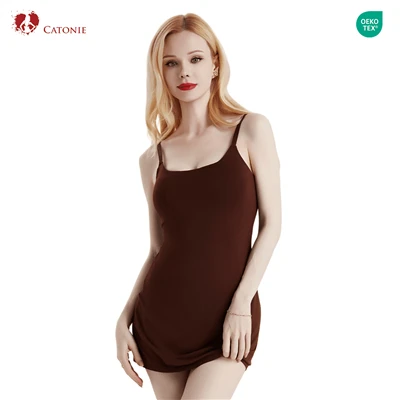
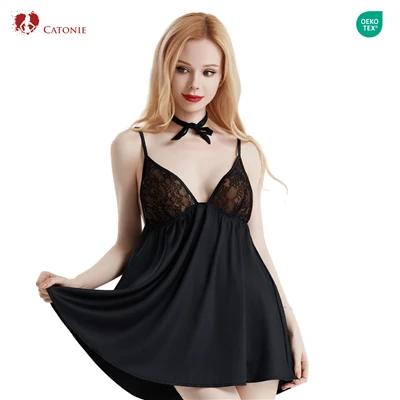
In daily outfits, whether underwear shows visible lines often determines how clean and refined the overall look appears. This is especially noticeable with tight clothing, light-colored fabrics, or body-hugging dresses, where even slight outlines can affect the visual impression. Many people focus on style or color, but the real factor that determines a "no-show" effect is actually the underwear fabric itself. Differences in thickness, elasticity, and surface structure can directly influence whether edges or pressure marks appear. Understanding these properties helps make more suitable choices.

Why Does Underwear Fabric Affect Visible Lines?
Visible lines are not caused by a single factor, but by multiple structural issues combined.
- Thicker fabrics tend to create visible outlines under tight clothing.
- Uneven surface texture may produce shadows under lighting.
- Poor elasticity distribution can cause local pressure marks.
- Stiff seams may create noticeable edges even if the fabric is soft.
In many cases, even comfortable underwear may still show lines simply because of its structural design rather than comfort level.
Which Underwear Fabrics Are Better for a Seamless Look?
Fabrics suitable for invisible wear usually share a few key traits: light, thin, flexible, and smooth.
- Seamless nylon fabric: very smooth surface and good stretch, allowing edges to blend naturally with the skin.
- Microfiber fabric: extremely fine fibers create a uniform visual surface with minimal texture.
- Spandex-blended fabric: improves elasticity and helps the garment conform closely to the body.
Modal fabric is also soft and comfortable, though it is more focused on comfort than strong support in tighter outfits.
How Do Structure and Craftsmanship Affect the No-Show Effect?
Even with the same fabric, different manufacturing techniques can lead to very different results.
- Seamless construction reduces raised stitching lines.
- Laser-cut edges create smoother transitions without hard outlines.
- One-piece molding reduces visible joint areas.
- Lightweight cup structures prevent thickness buildup in specific areas.
In many cases, craftsmanship can matter as much as the fabric itself when it comes to invisibility.
How to Choose Based on Different Outfit Scenarios?
Different clothing styles require different levels of invisibility.
- Tight dresses or bodycon outfits: seamless nylon or microfiber fabrics work best for a completely invisible look.
- Light-colored or thin tops: avoid thick cotton fabrics and choose lightweight blends instead.
- Daily office wear: modal or light blended fabrics provide a balance of comfort and invisibility.
For sports or high-movement situations, stability also becomes important to prevent shifting.
Whether underwear shows through clothing is not only a design issue, but also closely related to fabric thickness, elasticity, surface texture, and craftsmanship. Different materials perform differently in various outfits, and there is no single "perfect" no-show fabric. A more practical approach is to choose based on clothing type, usage scenario, and comfort needs, allowing underwear to stay both visually invisible and naturally comfortable in daily wear.