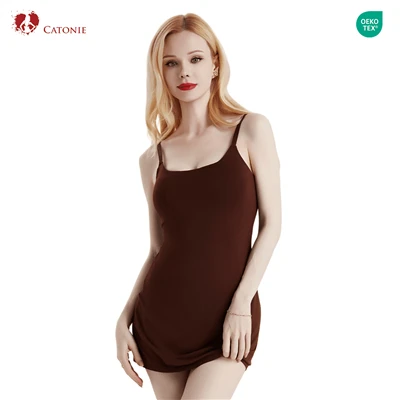
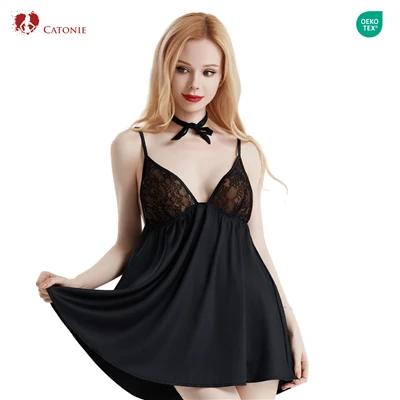
As consumers place more importance on body shaping and wearing comfort, shapewear has become an essential part of many daily wardrobes. Compared with regular underwear, shapewear focuses more on support, contour enhancement, and body-hugging performance. Much of this depends on the underwear fabric itself. Differences in elasticity, breathability, and pressure distribution directly affect both shaping results and comfort. If the fabric is not chosen properly, it may lead to excessive tightness, heat buildup, or discomfort during long hours of wear.

Why Does Shapewear Fabric Require Strong Elasticity?
One of the biggest differences between shapewear and regular underwear is the higher demand for elasticity.
- High-stretch structures conform more closely to body curves and create a more stable shaping effect.
- Spandex blends are commonly used to improve elasticity and recovery.
- Fabrics with good flexibility allow more natural movement during daily activities.
- Even elasticity distribution helps reduce pressure concentration on specific areas.
- Around the waist and back, elastic fabrics can help create smoother body lines.
Effective shaping is not simply about tightness, but about balancing support and comfort.
What Fabrics Are Commonly Used in Shapewear?
Different materials create very different wearing experiences.
- Nylon fabric: Smooth surface and good durability make it one of the most common shapewear fabrics.
- Spandex blends: Improve stretch and body fit for a more supportive feel.
- Microfiber fabric: Fine fibers provide a softer touch and smoother appearance.
Some premium shapewear also incorporates lightweight mesh panels to improve airflow and reduce heat buildup during extended wear.
Why Is Breathability Important in Shapewear Fabrics?
Many people focus only on shaping performance, while comfort is equally important.
- Breathability directly affects comfort during long-term wear.
- Thick underwear fabrics may trap heat and moisture.
- Breathable structures help reduce stuffiness and stickiness.
- Lightweight blended fabrics are often more suitable for summer or active situations.
- A balance between breathability and support helps avoid excessive compression discomfort.
- Some zoned fabric structures improve airflow in specific areas of the garment.
Comfortable shapewear is generally easier to wear for long periods in daily life.
How to Know Whether a Shapewear Fabric Is Right for You?
Shapewear is not necessarily better when it feels tighter. Selection should match actual needs.
- For daily commuting, softer elastic fabrics with lighter pressure are often more comfortable.
- For stronger shaping effects, high-stretch blended fabrics may provide more support.
- Sensitive skin types may prefer fabrics with softer inner layers and smoother texture.
- For active lifestyles, breathability and elasticity stability become more important.
Besides the fabric itself, overall fit, cutting, and usage scenarios should also be considered.
The key characteristics of shapewear fabrics lie in balancing elasticity, support, and breathability. Different materials focus on different aspects of shaping and comfort, and there is no single standard suitable for everyone. High-quality shapewear is not only about tight compression, but also about maintaining natural body fit and long-term comfort. Choosing according to personal needs and daily use scenarios makes it easier to find shapewear that combines effective support with a comfortable wearing experience.