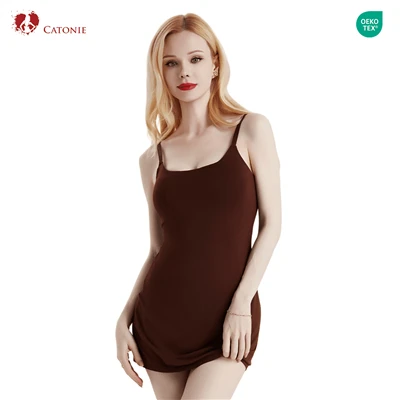
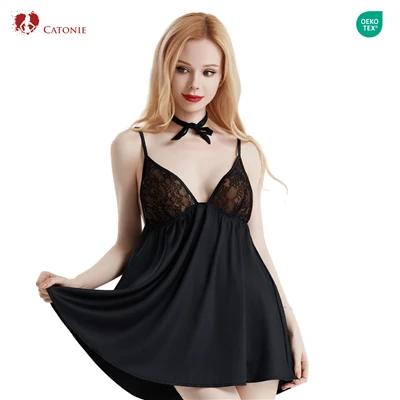
When choosing intimate clothing, many people are easily attracted by style or price, while ignoring the most important factor-underwear fabric. The quality of the fabric directly affects comfort, breathability, and long-term wearing stability. If the judgment is inaccurate, problems such as heat buildup, deformation, pilling, or skin irritation may occur. Different grades of fabrics vary significantly in fiber structure, weaving process, and elasticity. With a few basic methods, these differences can be more clearly identified.

Judging Fabric Quality by Touch
Touch is the most direct and intuitive way to evaluate fabric quality.
- High-quality underwear fabrics usually feel soft and smooth without rough particles.
- A stiff or scratchy texture often indicates less refined fiber processing.
- Overly slippery fabrics may involve heavy chemical finishing and less stable comfort.
- Fabrics with natural rebound usually have more balanced elasticity.
- Good elasticity can be felt when the material quickly returns to shape after stretching.
- Any slight prickly or irritating sensation may indicate poor long-term comfort.
While touch is not the only standard, it is effective for quickly filtering out low-quality options.
Evaluating Fabric Quality Through Material Composition
The fabric label provides important clues about structure and performance.
- High cotton content usually means better skin-friendliness but slightly weaker elasticity.
- A moderate amount of spandex improves fit and recovery.
- Excessive polyester may reduce breathability.
- Modal or long-staple cotton blends often feel softer and more suitable for daily wear.
- Unclear or incomplete labeling may indicate lower transparency in production.
- Well-balanced blends usually reflect more mature fabric engineering.
Composition helps define performance direction, but real experience still matters.
Judging Durability Through Wearing Performance
Real-life performance often reveals more than initial impressions.
High-quality fabrics maintain shape even after multiple washes.
Easy pilling usually indicates weak fiber strength or loose weaving.
How the fabric feels after sweating reflects breathability and moisture absorption.
Long-term deformation reveals elasticity stability.
Curling edges can indicate structural instability in the fabric.
Stable wearing performance usually signals better overall durability.
Assessing Overall Quality Through Craftsmanship Details
Beyond the fabric itself, craftsmanship plays a major role in comfort.
- Even stitching reflects better manufacturing precision.
- Smooth seams reduce friction against the skin.
- Any noticeable odor may indicate chemical residue.
- Uneven thickness can affect fit and comfort.
- Clear labeling often reflects better brand control standards.
- Well-finished edges improve durability and wearing experience.
These details often provide more reliable clues than fabric names alone.
Judging the quality of underwear fabric is not based on a single factor, but a combination of touch, composition, wearing performance, and craftsmanship details. Different grades of fabrics show clear differences in comfort and durability. High-quality products usually perform more consistently across all aspects. In real selection, combining these factors makes it easier to avoid low-quality options and achieve a more comfortable and stable wearing experience in daily life.