Developing lingerie with a distinctive look often starts with one of the hardest decisions: choosing the right fabric. A material may look soft and luxurious in a photo, yet turn out to have insufficient stretch when the sample arrives. Even worse, the finished garment may not look or feel the way you expected. Choosing the wrong fabric can lead to pattern revisions, additional sampling, and higher development costs. For lingerie brands preparing to launch a new collection, custom lingerie fabric development involves more than selecting colors and textures. Product function, wearing comfort, order quantities, and future reorders all need to be considered early to avoid unnecessary delays.

What Fabrics Are Available for Custom Lingerie? Which Materials Suit Different Products?
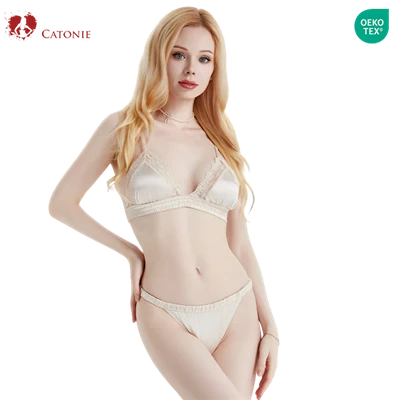
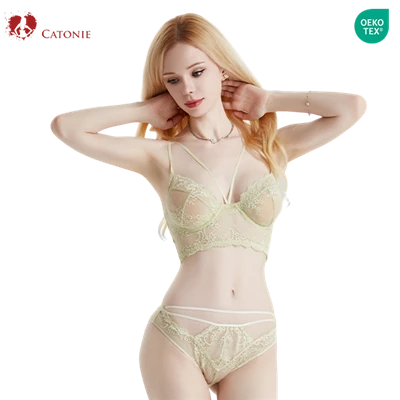
There is no need to start with specialized materials when developing custom lingerie fabrics. In many cases, commonly used fabrics can meet design requirements when selected and combined appropriately. The right choice depends on the intended product. Bras need a balance of fit and support, panties prioritize skin comfort, and sleepwear often requires a lightweight feel and elegant drape.
|
Fabric Type |
Suitable Lingerie Products |
Main Characteristics |
Key Considerations |
|
Nylon and spandex blends |
Seamless bras, sports bras |
Good stretch and abrasion resistance |
Recovery and fit |
|
Cotton and elastane blends |
Everyday panties, bra linings |
Natural feel with added stretch |
Shrinkage and changes in elasticity |
|
Modal blends |
Panties, loungewear |
Soft, smooth, and comfortable against the skin |
Pilling and performance after washing |
|
Lace fabrics |
Lace bras, lingerie sets |
Decorative patterns and distinctive visual appeal |
Skin irritation, stretch, and edge finishing |
|
Satin fabrics |
Camisoles, sleepwear |
Smooth surface with an elegant appearance |
Snagging, friction, and sewing performance |
If this is your first custom lingerie fabric project, start with two or three materials that come close to your target result rather than testing too many options at once. Make sample garments using the same design and compare their actual fit and feel. This gives you a more reliable basis for choosing than looking at fabric swatches alone. Bras require particular attention because the main fabric must work well with the cups, lining, and elastic components.
What Information Is Needed to Develop Custom Lingerie Fabrics and Improve Sampling Accuracy?
One common cause of delays during fabric development is vague feedback. A brand may ask for something "softer" or "more luxurious" without providing a clear reference. Different people can interpret these descriptions in very different ways, which often leads to samples that miss the mark. To make sampling more efficient, prepare reference images, existing fabric swatches, or finished garments and clearly explain the desired result.
When preparing a fabric development brief, include the following details:
- Product application: Specify whether the material is intended for bras, panties, shapewear, or sleepwear, as each product has different requirements.
- Fabric specifications: Describe the desired thickness, stretch, color, surface texture, and hand feel.
- Production details: Share the expected order quantity, target cost, and preferred completion date.
- If you already have a fabric you like, keep a physical sample so both sides can compare the material directly.
When the first fabric samples arrive, do more than check whether the color looks right. Feel both sides, stretch the material several times, and see how well it returns to its original shape. Once the direction is approved, move on to garment sampling. Record specific issues, such as a fabric feeling too stiff, poor stretch recovery, or edges that tend to roll after sewing. The more precise the feedback, the easier it becomes to make useful adjustments.
How Much Does Custom Lingerie Fabric Cost? What Factors Affect Development Costs?
Custom lingerie fabric does not have a fixed price. The final quotation depends on the material, color, processing method, and order quantity. Standard fabrics already available from a mill may have a very different cost structure from materials that require specialized development. When planning a budget, consider sample fees, fabric prices, minimum order quantities, and future reorder requirements rather than focusing only on the price per meter.
|
Cost Item |
Why Costs May Vary |
What to Confirm in Advance |
|
Fabric composition |
Different fibers and blend ratios |
Material specifications and performance |
|
Custom colors |
Special shades may require separate dyeing |
Minimum dye lot and color approval |
|
Special finishes |
Lace patterns and surface treatments involve different processes |
Processing fees and sample lead times |
|
Order quantity |
Small and large production runs require different arrangements |
Minimum order quantity and reorder terms |
|
Sample development |
Material or process adjustments may be necessary |
Sampling fees and revision arrangements |
If the budget is limited, check whether an existing fabric collection includes a material close to the desired result before requesting custom colors or special finishes. This can help new collections keep initial development costs under control. Brands planning to sell the same collection over time should also confirm whether the fabric can be supplied consistently, reducing the risk of color, texture, or specification differences during future reorders.
How Should Custom Lingerie Fabric Samples Be Tested Before Bulk Production?
Approving a fabric swatch does not mean development is complete. Once the material is made into a finished garment, fit tests and washing tests are needed to determine whether it truly suits the product. This is especially important for intimate apparel. A fabric may feel comfortable when new but change after several hours of wear or repeated washing.
During sample approval, check the following details:
- Whether the garment causes noticeable friction, heat buildup, or uncomfortable pressure during wear.
- Whether the fabric becomes loose after repeated stretching and maintains its shape in key areas.
- Whether washing causes significant shrinkage, pilling, color fading, or changes in hand feel.
- Whether binding, elastic bands, and stitching work naturally with the main fabric.
CATONIE provides fabric matching, sample development, pattern and fit adjustments, and OEM/ODM manufacturing support to help brands move from material selection to sample approval and bulk production. Developing custom lingerie fabrics does not need to be overly complicated. Start by defining the product's purpose and fabric requirements, compare samples, establish the budget, and then evaluate finished garments through fit and washing tests. This approach helps brands develop lingerie that matches their positioning while supporting more consistent reorders and scalable production.