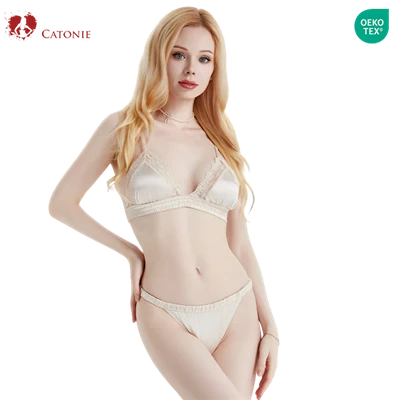
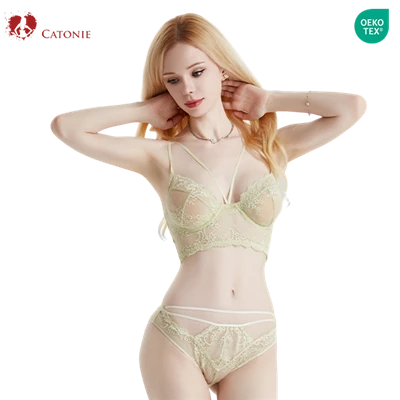
Nursing bras are worn for long hours every day, so choosing the wrong fabric can quickly become uncomfortable. Thick materials may feel stuffy, poor stretch can restrict movement, and fabric that becomes stiff or loses its shape after a few washes can make daily wear frustrating. During breastfeeding, bras also need to feel soft against the skin and make nursing easy, without requiring too much effort every time. For lingerie brands, developing nursing bras means looking beyond appearance and price. Fabric softness, stretch recovery, wash performance, and nursing access all deserve attention. Choosing the right lingerie fabric helps create products that work better for everyday use.
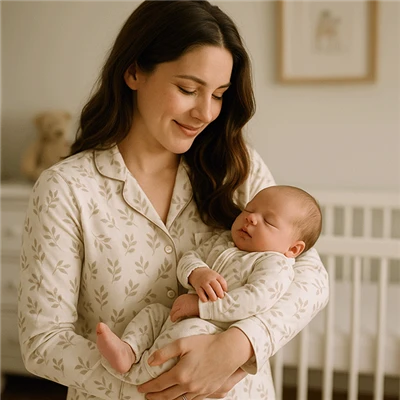
What Is the Best Fabric for Nursing Bras? Comparing Common Options
The softest fabric is not automatically the best choice for a nursing bra. Breathability, stretch recovery, and resistance to deformation after repeated washing are equally important. Different materials perform differently, and a bra designed for lounging at home may need a different fabric from one intended for summer wear or extra support. During product development, these common lingerie fabrics are a useful starting point.
|
Fabric Type |
Key Features |
Suitable Nursing Bra Styles |
|
Cotton and elastane blend |
Natural feel with some stretch for everyday comfort |
Basic nursing bras and homewear styles |
|
Modal blend |
Soft, smooth texture with a gentle feel against the skin |
Lightweight and sleep nursing bras |
|
Nylon and spandex blend |
Good fit and stretch recovery for styles that need support |
Seamless nursing bras and bras for going out |
|
Mesh fabric |
Lightweight structure that helps improve airflow |
Panels or inserts designed to enhance breathability |
For everyday comfort, cotton and modal blends are both worth considering. If a product needs a closer fit and better stretch recovery, a nylon and spandex blend may be more suitable. Fabric names are only a starting point, though. Yarn type, construction, and fabric weight also affect the final feel. Comparing physical swatches during sampling is much more useful than choosing a material based on its fiber label alone.
What Features Should Nursing Bra Fabric Have?
Nursing bras differ from regular bras because the cups may need to open frequently, while body measurements can also change during the breastfeeding period. Fabric that does not stretch easily, takes too long to recover, or traps too much heat against the skin can make daily wear less comfortable. During development, brands should pay close attention to the following features:
- Softness against the skin: The fabric should not feel rough, especially on the inner cup and areas that experience frequent friction.
- Breathability and moisture management: Lightweight, breathable fabrics can feel more comfortable during summer or extended wear, although the actual result also depends on fabric construction and garment design.
- Stretch and recovery: The material should move naturally with the body and return to its original shape as much as possible after stretching, rather than becoming loose after a few wears.
- Shape retention after washing: Nursing bras often need frequent laundering. Shrinkage, pilling, or a noticeable change in texture can affect their long-term comfort and appearance.
Not every feature has to come from a single fabric. The main material can provide softness and a close fit, while different fabrics or construction details can improve airflow and support in selected areas. One important point is that stretch should not interfere with nursing access. Trims and seams also need to remain comfortable and avoid excessive friction during repeated use.
How Should You Choose Nursing Bra Fabric? What Should You Test During Sampling?
A fabric may feel great as a swatch but behave differently once it becomes a finished bra. Cup shape, closure design, binding, and elastic bands all influence the final fit and feel. Nursing bras need particular attention because their opening and closing areas are used frequently. During sampling, the fabric should be tested as part of the finished garment rather than judged by touch alone.
- Conduct a fit test to check cup coverage and look for noticeable tightness or shifting when raising the arms or bending over.
- Open and close the nursing clasps repeatedly to see whether the fabric around the attachment points stretches or deforms.
- Wash the sample and check its texture, measurements, and stretch recovery instead of relying only on its condition when new.
- Compare swatches with different weights and stretch levels to find the best match for the intended style and season.
Sample testing should also cover the compatibility of the shoulder straps, underband, clasps, and binding with the main fabric. Even a very soft material can result in an uncomfortable bra if the closure is awkward to use or the seams rub against the skin. Identifying these issues early makes pattern revisions and bulk production easier to manage.
How Can Nursing Bra Brands Develop the Right Lingerie Fabric?
For brands developing nursing bras, fabric selection should match the product's positioning. A basic comfort range may benefit from soft, washable blends, while a lightweight summer collection may require comparisons of different fabric weights and constructions. Styles that need a closer fit should also be tested for stretch recovery and cup support. Defining these requirements early can reduce unnecessary material changes and repeated sample revisions.
CATONIE provides OEM/ODM lingerie services, including fabric matching, sample development, pattern adjustments, and bulk production. Brands can share an existing design concept or technical package, or start planning a product using different styles, fabrics, and color options. Comparing fabric swatches and testing finished samples helps confirm the material's feel, nursing access, and fit before moving into production.
There is no single fabric that works best for every nursing bra. Cotton blends are practical for everyday comfort, modal blends offer a soft and smooth feel, and nylon-spandex blends suit designs that need a closer fit and reliable stretch recovery. During product development, breathability, wash performance, nursing access, and trim comfort should all be tested together. For lingerie brands, comparing fabric samples and conducting real fit tests is often more reliable than choosing a material based on fiber content alone. This approach helps create nursing bras that feel comfortable and are easy to use every day.