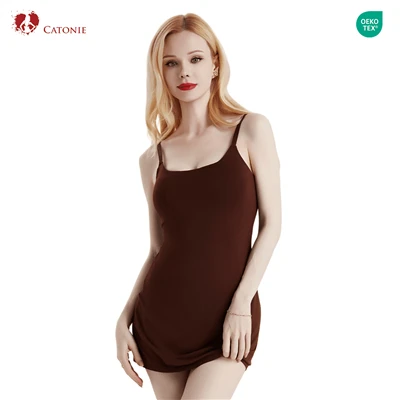
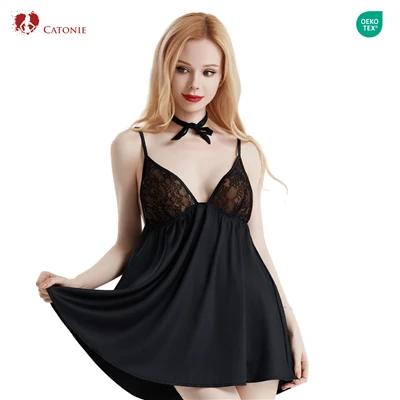
The real challenge of plus-size lingerie is not simply making the size larger. The bigger question is whether the lingerie can stay securely in place after the size has been expanded. During walking, bending, reaching, or even sitting for long periods, lingerie should not constantly shift. Otherwise, wearers may feel too tight, uncomfortable, or insecure. For plus-size lingerie brands, wearing stability has a direct impact on comfort and repeat purchases. A stable fit comes from the right pattern proportions, straps, underband, side structure, and real-life wear testing.

Why Does Plus-Size Lingerie Tend to Shift During Wear?
The way pressure is distributed in plus-size lingerie is often more noticeable than in standard sizes. Bust volume, body movement, and differences in body proportions can all make lingerie more likely to move or lose its shape. Simply scaling up a standard-size pattern can easily create problems once the garment is actually worn.
- Shoulder straps may slip: If the straps sit too far toward the shoulders or the length and elasticity are not properly adjusted, they can slide outward during movement.
- The underband may ride up: Insufficient elasticity, poor width, or weak recovery can cause the underband to gradually move upward after extended wear.
- The side panels may shift: If the side wings do not provide enough coverage, body movement can cause the garment to move out of position.
- The garment may lose its shape over time: A sample may feel fine during a short fitting, but after several hours of wear, reduced fabric recovery can affect overall stability.
These issues may seem minor, but they can have a noticeable effect on how consumers evaluate plus-size lingerie. Many plus-size consumers pay close attention to how secure a garment feels throughout the day. Feeling comfortable when putting it on is not enough. It should remain comfortable and stable after hours of normal activity.
How Should Plus-Size Lingerie Be Designed for Better Stability?
Stability does not mean making lingerie extremely tight. Excessive compression can be just as uncomfortable. A better approach is to distribute pressure more evenly, control areas that are prone to shifting, and still allow the body to move naturally.
- Adjust the strap position and width
Simply making the straps wider does not solve every problem. Their placement on the shoulders also matters. Plus-size lingerie can use slightly wider straps and optimized front and back attachment points to improve stability. Straps that are too narrow may create pressure, while excessive tension can restrict natural movement.
- Give the underband enough coverage and recovery
The underband plays an important role in keeping lingerie in place. A suitable underband width can reduce concentrated pressure while helping prevent rolling and upward movement. The elastic material also needs reliable recovery. It should not feel firm when new but become noticeably loose after several wears.
- Build stronger side panels
Side panels connect the front and back of the garment while helping stabilize the sides of the body. Plus-size lingerie can benefit from greater side coverage, creating a more secure connection between the garment and the body. Side construction becomes particularly important for lingerie designed for active daily wear.
- Adjust the back structure as the size increases
A larger back size should not simply be created by scaling up a smaller pattern. Back width, hook-and-eye settings, and elastic zones need to be adjusted to distribute pressure more evenly. When the back stays flat and does not ride upward, the entire garment feels more secure.
Good stability should feel almost invisible during movement. The wearer should not have to keep adjusting the lingerie throughout the day. For brands developing plus-size lingerie, separating the idea of "secure" from "tight" can make a noticeable difference to the final wearing experience.
What Stability Tests Should Be Done During Plus-Size Lingerie Sampling?
Plus-size lingerie should not be evaluated only while a model is standing still. A garment may look perfectly fitted in a static position but reveal problems as soon as the wearer starts moving. During sampling, everyday movements should be included in the fitting process so the pattern and construction can be tested under more realistic conditions.
Key checks include:
- Does the strap slide outward when the wearer raises her arms?
- Does the underband move upward when bending forward?
- Do the side panels roll when sitting down?
- Does the cup position shift noticeably during brisk walking?
- Do the underband and straps maintain their original position after several hours of wear?
If a plus-size lingerie piece requires frequent adjustment, it quickly becomes tiring for the wearer. Testing these movements during sampling can reveal problems that flat measurements alone may not show. Fittings should also include different bust shapes and body proportions rather than relying on one sample size or one body type.
How Can Plus-Size Lingerie Maintain Stability During Production?
Once the design has been finalized, production quality still matters. Plus-size lingerie has relatively high requirements for elasticity, stitching, and dimensional consistency. If recovery varies noticeably within the same production batch, consumers may experience different levels of comfort and stability from otherwise identical products.
Fabric recovery, strap length, underband measurements, side-panel connections, and key stitching areas all need careful control. Larger sizes also place greater loads on structural areas, so seam strength and construction should be developed specifically for the intended size range rather than simply following standard-size production practices. Sample approval and wear testing before bulk production can help identify slipping, rolling, and upward movement early, reducing costly rework later.
For plus-size lingerie brands, wearing stability comes from how well the entire garment works together. It is not simply about making the underband wider or the straps thicker. The real goal is to keep the garment in a comfortable position while the wearer walks, sits, bends, and moves naturally. When these details are handled during product development, plus-size lingerie can offer a more secure and comfortable fit while creating a better consumer experience. For brands looking for OEM/ODM development, manufacturers such as CATONIE, with capabilities in sampling, pattern adjustment, and bulk lingerie production, can help turn these stability requirements into finished products.