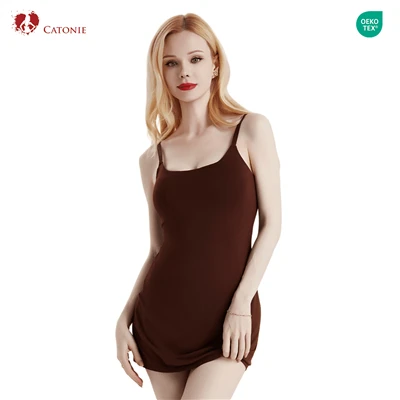
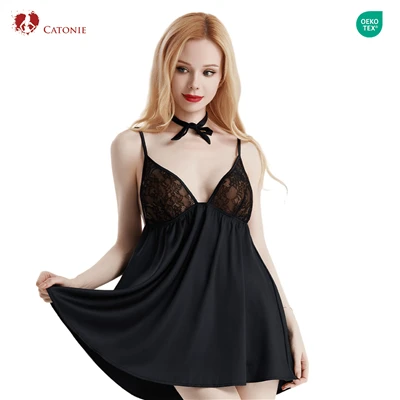
As consumers' expectations for lingerie comfort and wearing experience continue to increase, lingerie products are no longer focused only on styles and appearance. Fabric performance has also become an important factor influencing purchasing decisions. Compared with regular lingerie fabrics, functional lingerie fabrics pay more attention to features such as breathability, moisture absorption, elasticity, shaping, and adaptability for different activities. Whether used for everyday lingerie, sports bras, or seamless lingerie, suitable functional fabrics can greatly improve the overall wearing experience. For lingerie brands, choosing the right functional materials can not only expand product categories but also create stronger advantages in the market.

Moisture-Wicking and Breathable Fabrics Provide Better Comfort
Since lingerie is worn close to the skin, breathability and moisture control are important fabric requirements. Especially during hot weather or long periods of activity, fabrics with poor ventilation may create a stuffy feeling. Moisture-wicking and breathable lingerie fabrics help regulate skin moisture and make wearing more comfortable.
Common moisture-wicking and breathable fabrics include:
- Modal fabric, featuring a soft touch and good moisture absorption, suitable for everyday lingerie.
- Tencel fabric, with a delicate texture and excellent breathability and comfort.
- Bamboo fiber fabric, offering strong moisture absorption performance and suitable for close-fitting products.
The biggest advantage of these functional fabrics is their natural wearing feel without creating a heavy sensation. For consumers, lingerie stays in direct contact with the skin for many hours, so softness and breathability are often more important than appearance alone.
High-Elastic and Shaping Fabrics Improve Fit and Body Adaptability
Elasticity is one of the key properties of lingerie fabrics. Especially in seamless lingerie, sports bras, and shaping products, fabrics need to adapt to body movements while maintaining good recovery performance. High-elastic functional fabrics help lingerie fit body curves better and reduce restrictions during wear.
Common high-elastic and shaping fabrics include:
- Lycra fabric, offering stable elasticity and commonly used in products requiring a close fit.
- Nylon blended fabrics, providing good durability with certain elastic properties.
- Elastic fiber blended fabrics, improving stretchability and recovery ability.
The use of high-elastic fabrics allows lingerie to remain more stable during movement. Consumers not only want lingerie to feel comfortable but also expect products to maintain their shape after long-term use, which is one of the reasons functional fabrics continue to attract attention.
Antibacterial and Protective Fabrics Improve Wearing Experience
Since lingerie is a close-fitting garment, hygiene and comfort have always been important concerns for consumers. Antibacterial functional fabrics use special treatments to provide certain antibacterial properties and improve product performance. These materials are commonly used in sports lingerie and everyday basic lingerie.
Antibacterial fabrics usually provide:
- Reduced bacterial growth and improved daily wearing comfort.
- Better odor control, making products more suitable for extended use.
- Improved overall wearing experience when combined with breathable structures.
Antibacterial fabrics are not simply about adding a functional label. They are developed around real wearing needs. For consumers, lingerie is not only about appearance and comfort but also about cleanliness and confidence during daily use.
Special Functional Fabrics Meet Different Wearing Situations
As the lingerie market becomes more specialized, functional lingerie fabrics are also being developed for different usage scenarios. Consumer needs are becoming more diverse, and different environments such as sports, travel, and daily commuting require more suitable product designs.
Common special functional fabrics include:
- Cooling fabrics, suitable for hot weather and providing a fresher wearing sensation.
- Anti-static fabrics, reducing discomfort caused by friction.
- Quick-drying fabrics, improving comfort during exercise or sweating.
- Temperature-regulating fabrics, helping adapt to different temperature environments.
These functional fabrics provide more possibilities for lingerie products and encourage brands to continue improving product innovation. The future development of lingerie is not only about adding more styles but also about enhancing real consumer experiences through fabric technology.
The development of functional lingerie fabrics has helped lingerie products move from basic wearing needs toward more specialized and diverse solutions. From comfort-focused materials such as modal and Tencel to functional fabrics with elasticity, antibacterial properties, and quick-drying performance, different materials solve different consumer needs. High-quality lingerie fabrics not only determine wearing comfort but also influence a brand's market competitiveness. As consumers continue to focus on health, comfort, and personalized experiences, functional fabrics will play an increasingly important role in the lingerie industry, helping brands create products that better meet market demands.