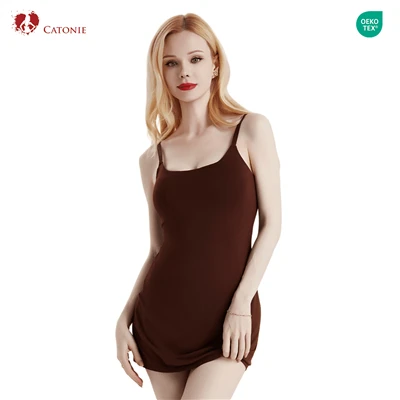
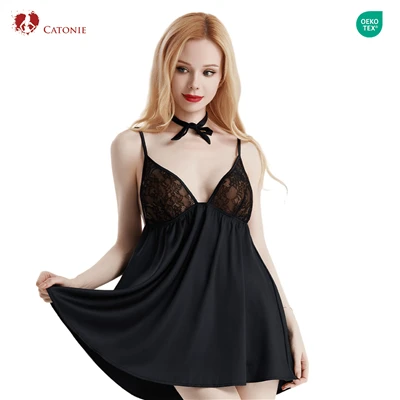
For lingerie brands, fabric selection has always been an important part of product development. Whether a lingerie product feels comfortable to wear depends not only on the design and pattern but also heavily on the choice of lingerie fabric. Different brands serve different customer groups. Some focus on everyday comfort, some specialize in sports support, while others aim to create premium-quality products. These different goals require different fabric solutions. When developing new products, many brands focus only on fabric prices or visual effects while overlooking the actual wearing experience that consumers care about most. A suitable fabric solution needs to consider product positioning, functional requirements, and market trends to create more competitive lingerie products.

Define Product Positioning and Find the Right Fabric Direction
Before selecting fabrics, lingerie brands need to clearly define the characteristics and purpose of their products. Different types of lingerie have different requirements for fabric performance. Everyday basic styles usually focus on softness and comfort, premium collections emphasize texture and quality, while sports products require stronger elasticity and breathability.
When selecting fabrics, brands can focus on:
- Choosing soft and skin-friendly materials for everyday lingerie to improve long-term wearing comfort.
- Using silk, Tencel, and other premium-feel fabrics for high-end lingerie collections.
- Selecting fabrics with elasticity, moisture absorption, and quick-drying features for sports lingerie.
- Considering support and stability when developing plus size lingerie.
Different products match different consumer needs, and no single fabric can meet every requirement. Only by clearly defining the product direction can brands choose suitable material combinations and highlight their product advantages.
Focus on Consumer Experience and Choose Fabrics That Match Market Needs
Today's consumers do not only care about lingerie styles. Wearing experience has become a major factor influencing purchasing decisions. Since fabric directly touches the skin, softness, breathability, elasticity, and durability all affect how consumers evaluate a product.
When selecting lingerie fabrics, brands should consider:
- Fabric texture to avoid discomfort during wear.
- Breathability to reduce stuffiness during daily use.
- Moisture absorption performance to improve long-term comfort.
- Fabric durability to reduce deformation after washing.
A lingerie product may be worn every day, and if the fabric experience is poor, even an attractive design may struggle to gain consumer approval. During product development, brands need to think from the user's perspective rather than focusing only on the material itself.
Create Differentiated Fabric Solutions Based on Product Functions
As the lingerie market becomes more specialized, consumers are looking for more functional products. Basic comfort alone can no longer meet every market demand, and more brands are using unique fabrics to create product advantages.
Common functional fabric directions include:
- Antibacterial fabrics to improve hygiene for close-fitting wear.
- Seamless fabrics to create a smoother fit and reduce visible lines.
- High-elastic fabrics to improve support and wearing flexibility.
- Eco-friendly fabrics to meet growing consumer interest in sustainable products.
The application of functional fabrics helps brands develop unique product identities. For example, brands focusing on lightweight comfort can develop soft and breathable collections, while brands targeting sports consumers can emphasize performance materials. A clear fabric strategy makes products easier for consumers to recognize.
Balance Cost and Quality to Create Long-Term Fabric Planning
Fabric cost is an important consideration during product development, but price should not be the only factor when selecting materials. Excessive cost reduction may affect product performance and damage brand reputation. Brands need to find the right balance between quality and budget.
Fabric planning should focus on:
- Choosing suitable fabric grades based on product positioning instead of simply pursuing expensive materials.
- Improving overall product performance through different fabric combinations.
- Building stable fabric supply systems to maintain consistent product quality.
- Continuously optimizing fabric choices based on market feedback.
In the long run, a well-developed fabric strategy can help brands reduce development risks and improve product stability. A good fabric solution supports not only individual products but also becomes a foundation for long-term brand growth and consumer trust.
Choosing a fabric solution for a lingerie brand is not simply about selecting one material. It requires comprehensive planning around product positioning, consumer needs, functional features, and cost control. High-quality lingerie fabrics can improve wearing comfort while helping brands create stronger product identities. As consumers continue to demand more comfort, health-focused features, and personalized experiences, fabrics have become a key factor in lingerie market competition. Brands that continue to optimize their fabric selection can create products that better meet market expectations and gain stronger opportunities in an increasingly competitive industry.