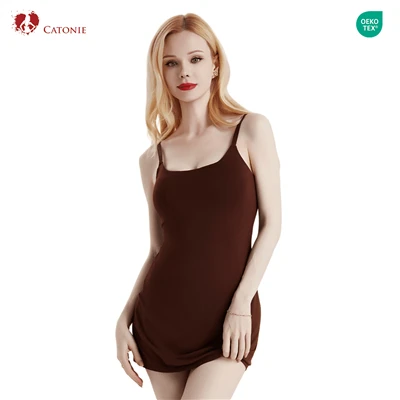
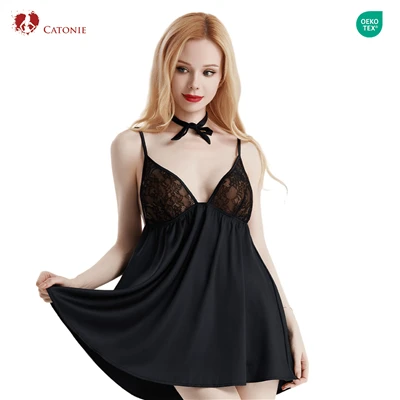
Nowadays, consumers pay attention to more than just the appearance of lingerie. Comfort during wear has become an important factor when choosing underwear. Since lingerie is worn close to the skin, fabrics with poor elasticity can cause a tight feeling during movement, while fabrics with weak recovery may become loose and lose shape after long-term use. High elasticity lingerie fabrics help solve these problems by stretching with body movements, providing a closer fit and improving overall wearing comfort. For lingerie brands, fabric selection is also a key part of product development. Different materials offer different levels of elasticity, softness, and functional performance, so the right combination needs to be chosen based on product positioning.

Spandex Fabric Is a Basic Material for High Elasticity Lingerie
In lingerie production, spandex is one of the most commonly used elastic fibers. Its biggest advantage is strong stretchability. After being stretched, it can quickly return to its original shape, which is why it is often blended with cotton, modal, nylon, and other fabrics to improve overall elasticity.
Common advantages of spandex fabrics include:
- Stable elasticity that helps reduce looseness during wear.
- Better body-hugging performance, allowing lingerie to follow natural curves.
- Improved comfort by solving the lack of stretch in ordinary fabrics.
However, spandex is usually not used as the only lingerie fabric. Instead, it is added as part of a blended material. During production, the percentage needs to be carefully controlled. Too little spandex may not provide enough elasticity, while too much may affect breathability and softness. A proper balance helps create lingerie that is both comfortable and flexible.
Modal Blended Fabrics Combine Softness with High Elasticity
Modal fabric has always been popular in the lingerie industry because of its soft and smooth texture. Although modal itself does not have extremely high elasticity, blending it with spandex and other elastic fibers creates a fabric that is more suitable for close-fitting lingerie.
This type of fabric is commonly used for:
- Everyday lingerie, improving comfort during long periods of wear.
- Lightweight underwear, providing a softer skin feel.
- Products designed for consumers who prefer gentle and comfortable fabrics.
The advantage of modal blended fabrics is that they provide flexibility without creating a strong feeling of tightness. Consumers can feel the fabric adapting to their body movements instead of restricting them. For lingerie brands focusing on comfort, this type of fabric is a popular choice for daily wear collections.
High Elastic Nylon Fabrics Are Suitable for Functional Lingerie Development
Besides comfortable everyday lingerie, there are also many products such as sports bras, seamless underwear, and shaping lingerie that require stronger fabric stability. High elastic nylon fabrics are widely used in functional lingerie because of their durability, strength, and smooth surface.
Main features of high elastic nylon fabrics include:
- Good recovery performance, making them suitable for active lifestyles.
- Strong fabric structure, helping products maintain durability during use.
- Smooth surface that works well for seamless designs and reduces visible lines.
Compared with softer fabrics, nylon focuses more on support and stability. For lingerie products that require better coverage and shaping effects, nylon helps maintain the product structure while meeting consumers' needs for both comfort and functionality.
Choosing High Elasticity Lingerie Fabrics Requires Considering Product Needs
When selecting high elasticity lingerie fabrics, brands should not only focus on how stretchy the material is. Many brands find that the same elastic fabric can create completely different results when used in different products. Everyday lingerie needs softness and skin comfort, sports lingerie requires stronger support, while shaping products need better pressure control.
During actual production, fabrics need to be tested in several areas, including stretch recovery, breathability, washing durability, and long-term performance. A good high elasticity lingerie fabric should not only feel comfortable when first worn but should also maintain its shape and performance after repeated use.
For lingerie brands, fabric selection is also part of product positioning. Choosing the right fabric combination can help products develop unique advantages and allow consumers to experience a noticeable difference during wear.
There are many types of high elasticity lingerie fabrics, and each material has its own advantages. Spandex improves stretch performance, modal provides softness, and nylon enhances stability. Through proper combinations, these materials can meet the development needs of different lingerie products. For brands, fabric selection should not focus on only one feature but should start from the actual wearing experience of consumers. As demand for comfortable lingerie continues to grow, high elasticity fabrics will play an increasingly important role in product development and become a key factor in improving brand competitiveness.