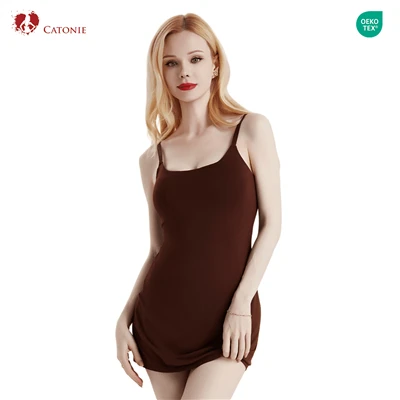
When buying seamless underwear, many consumers pay close attention to one key question: is it really comfortable to wear? Since seamless underwear stays close to the skin for long periods, unsuitable fabrics may feel good at first but later cause issues such as tightness, deformation, or reduced fit. There are many seamless underwear styles on the market, but the real difference often comes from the lingerie fabrics used behind the design. Good fabrics need to be lightweight, soft, elastic, and stable enough to maintain their shape. For lingerie brands, fabric development is also an important part of building competitive products.

Why Are Nylon and Spandex Fabrics Suitable for Seamless Underwear?
In seamless underwear production, nylon and spandex blends are widely used. Nylon fabrics have a smooth surface and good fiber strength, making the finished underwear lightweight and less likely to leave visible lines under outer clothing. Spandex improves the stretchability of the fabric, allowing the underwear to move with the body and reducing discomfort during daily activities.
- This type of lingerie fabric is popular for seamless products because of several advantages:
- Lightweight and smooth texture, making it more natural under fitted clothing.
- Good elasticity recovery, helping prevent the underwear from becoming loose after long-term wear.
- Better body-hugging performance, keeping the underwear stable and reducing shifting.
However, the ratio of nylon and spandex needs to be properly controlled. Excessive elasticity may affect the feeling of comfort, while insufficient stretch may reduce the seamless effect. During production, brands need to find the right balance so the fabric provides both flexibility and a comfortable wearing experience.
Modal Blended Fabrics Are Suitable for Comfortable Seamless Underwear
Seamless underwear is not only about appearance. Consumers also care greatly about comfort during daily wear. Especially for everyday underwear, fabrics are in constant contact with the skin, and rough or uncomfortable materials can affect the overall wearing experience. Modal fabric is widely used in comfort-focused underwear because of its soft and smooth texture.
Common advantages include:
- Soft hand feel, providing a more comfortable skin-touch experience.
- Good moisture absorption performance, suitable for long periods of wear.
- Better fit when blended with elastic fibers.
- Natural texture, suitable for lightweight basic underwear collections.
Modal itself does not have strong elasticity, so seamless underwear production often combines it with elastic fibers. This combination keeps the softness of modal while improving shape retention, helping products achieve a better balance between comfort and stability.
Seamless Underwear Fabrics Need to Balance Fit and Long-Term Wearing Performance
Many consumers choose seamless underwear not only because they want a smoother appearance but also because they want comfort throughout the day. Fabrics that are too thin may feel lightweight but lack enough support, while fabrics with excessive elasticity may create pressure during wear. High-quality seamless underwear fabrics need to achieve the right balance between lightness, softness, and stability, allowing the body to move naturally.
During lingerie production, brands also need to pay attention to how fabrics perform after long-term use. Daily wear involves stretching, washing, and repeated use, all of which affect fabric recovery and durability. At the same time, fabric structure, thickness control, and manufacturing processes can also change the final result. Even the same material can provide different levels of comfort and fit after different treatments, and these details directly influence consumers' real wearing experience.
What Details Should Be Considered When Choosing Seamless Underwear Fabrics?
When developing seamless underwear, fabric price should not be the only consideration. Consumers care more about whether the underwear feels comfortable, allows easy movement, and maintains its original condition after regular use. When selecting lingerie fabrics, brands need to focus on actual wearing needs and evaluate multiple factors.
Key areas during production include:
- Fabric elasticity recovery to reduce deformation after long-term use.
- Breathability performance to improve comfort in different seasons.
- Stability after washing to reduce shrinkage and looseness.
- Edge finishing quality to minimize pressure marks and visible lines.
Besides the fabric itself, seamless underwear also requires suitable manufacturing techniques. Cutting methods, sewing details, and overall structure design all affect the final wearing experience. Good fabrics provide the foundation, while professional production processes further improve product performance and help create seamless underwear that truly feels natural and comfortable.
Seamless underwear has higher requirements for lingerie fabrics compared with traditional products. Nylon and spandex blends provide lightweight performance and elasticity, while modal blends improve softness and comfort. Different material combinations can meet the needs of various consumer groups. For lingerie brands, fabric selection affects not only product quality but also consumers' first impressions of the brand. As people pay more attention to comfortable and natural wearing experiences, high-quality lingerie fabrics will become an important foundation for developing premium seamless underwear products.