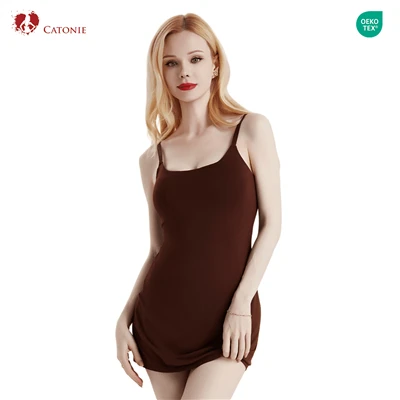
A lingerie piece may look simple, but the fabric can make a noticeable difference once it is worn. With higher-end lingerie, consumers can often feel the difference as soon as they touch the fabric or put the garment on. Softness, skin feel, drape, stretch recovery, and even how the material performs after several washes can all affect the perceived quality of a product. High-end lingerie brands rarely choose materials simply because they are expensive. Instead, they look for fabrics that can support the product's positioning and deliver a better overall wearing experience. Silk, lace, nylon, modal, and premium stretch blends are all commonly found in high-end lingerie collections.
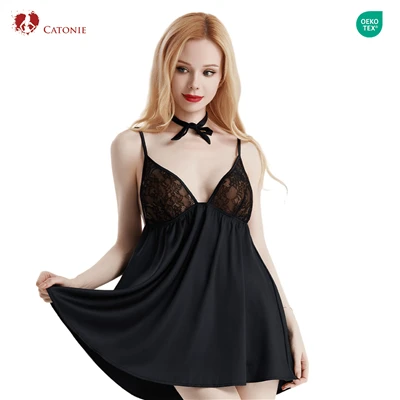
What Fabrics Are Commonly Used in High-End Lingerie? Why Is Silk So Popular?
When people think about luxury lingerie, silk is often one of the first fabrics that comes to mind. Its appeal is not simply that it sounds luxurious. Silk feels smooth and delicate against the skin, while its natural sheen can give lingerie a refined appearance. Silk works well for elegant lingerie, luxury bralettes, and products that focus heavily on softness and a premium touch. At the same time, it requires more care during production and use.
Common premium fabric choices include:
- Mulberry silk: Fine, smooth, and naturally lustrous, making it suitable for luxury lingerie and close-to-skin garments.
- Silk blends: Maintain some of the characteristic silk feel while improving durability and production flexibility.
- High-quality cotton: Offers a soft, natural feel and works well for lingerie focused on everyday comfort.
- Modal blends: Lightweight and soft, making them suitable for premium everyday lingerie.
The appeal of silk comes largely from its distinctive hand feel. It is easy for consumers to notice the difference when they wear it. However, silk cannot simply be selected and sent straight into production. Shrinkage, sewing performance, washing behavior, and dimensional stability all need to be tested in advance. For premium lingerie, the bigger concern is not simply the initial cost. A garment that feels beautiful when new but loses its quality after repeated use can quickly disappoint buyers.
What Fabrics Are Used for High-End Lace Lingerie?
Lace is another material that appears frequently in luxury lingerie. However, the final result depends on much more than the lace pattern itself. The base fabric, yarn fineness, stretch, and edge stability can all affect the appearance and wearing experience. Some lace may look beautiful but lose its shape after repeated stretching, which can reduce both comfort and the overall appearance of the garment.
When selecting lace fabrics for lingerie, brands can pay attention to:
- Pattern refinement: Fine and detailed patterns can create a more sophisticated appearance for premium collections.
- Softness: The material should feel comfortable against the skin, particularly around the cups and side wings.
- Stretch recovery: Lace should retain its shape after repeated stretching.
- Edge stability: Cup edges, underbands, and other finished areas should resist rolling or distortion.
The real challenge with lace is making beauty and comfort work together. An intricate pattern has little value if the lace feels scratchy against the skin. High-end lingerie needs to combine attractive lace with suitable lining and supporting fabrics so that the garment looks refined while remaining comfortable to wear.
Are Nylon and Spandex Suitable for High-End Lingerie?
When people see materials such as nylon and spandex, they may think of basic functional fabrics. In reality, these materials are also widely used in premium lingerie. The difference often comes from yarn quality, knitting technology, finishing processes, and the way different fibers are blended. High-quality nylon can offer a very fine, smooth hand feel, while a suitable amount of spandex can provide comfortable stretch and stable recovery.
These lingerie fabrics are particularly suitable for:
- Seamless bras and seamless panties;
- Shaping and smoothing lingerie;
- Lightweight everyday bras;
- Premium basic styles that require good stretch.
Nylon-based materials also offer a practical advantage: their dimensions and stretch performance can often be controlled more consistently. This matters for lingerie that needs to maintain its shape over time. A fabric feeling luxurious when first purchased is one thing, but whether it still performs well after months of wear is another. This is where premium lingerie brands often invest more time in durability and recovery testing.
How Should High-End Lingerie Brands Choose Fabrics?
Choosing fabrics for high-end lingerie should not simply mean selecting the most expensive material available. Silk may have a higher price but may not suit every style. Lace creates a refined visual effect but still needs to meet comfort requirements. Nylon and spandex can be more practical in terms of cost while still producing an excellent wearing experience when high-quality yarns and precise knitting techniques are used. The right lingerie fabrics should work with the design, product positioning, and manufacturing process.
|
Fabric |
Key Features |
Common Product Positioning |
|
Silk |
Soft, smooth, naturally lustrous |
Luxury lingerie, premium sleepwear |
|
Lace |
Decorative, detailed, visually refined |
Luxury bras, elegant lingerie |
|
Nylon |
Smooth, durable, stable |
Premium basics, seamless lingerie |
|
Spandex Blends |
Stretchy, flexible, close-fitting |
Shaping and stretch lingerie |
|
Modal |
Soft, lightweight, skin-friendly |
Premium everyday lingerie |
|
High-Quality Cotton |
Comfortable, natural, breathable feel |
Comfort-focused premium lingerie |
Once a fabric has been selected, it should also be tested in actual garment samples. A material that feels soft in the hand may not remain comfortable after hours of wear, and strong stretch does not automatically mean that the garment will retain its shape after washing. High-end lingerie brands need to pay attention to details consumers can actually feel, such as skin friction, underband recovery, lace deformation, and whether the fabric becomes rough or stiff after washing. These details often matter more than simply putting an expensive fabric name on a product label.
High-end lingerie brands use a wide range of fabrics rather than relying on a single material. Silk offers a smooth and refined touch, lace adds delicate visual appeal, nylon and spandex can create lightweight, stable, and stretchy designs, while modal and high-quality cotton are useful for premium comfort-focused collections. What really separates a premium lingerie product from an ordinary one is how well the fabric quality, textile construction, and garment design work together. For lingerie brands, spending more on a material simply because it is expensive is not always the best approach. Investing in fabrics that consumers can touch, wear, wash, and continue to appreciate over time can create a much stronger premium experience.