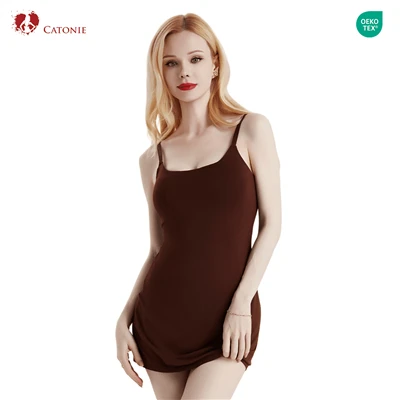
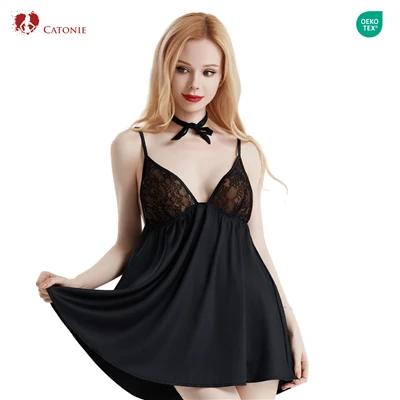
Lingerie is worn every day, so the comfort of the fabric is something the body notices very quickly. Bras, panties, camisoles, and seamless underwear stay close to the skin for long periods. If the fabric feels rough, traps too much heat, or loses its shape easily, discomfort can build up throughout the day. Consumers are also paying more attention to softness, breathability, moisture management, and stretch when choosing lingerie. For lingerie brands, creating a truly skin-friendly product is not simply about choosing a fabric with a premium-sounding fiber name. Hand feel, stretch recovery, washing performance, and garment construction all matter. Choosing the right lingerie fabric can make a noticeable difference in the overall wearing experience.

What Fabrics Are Recommended for Skin-Friendly Lingerie?
Common fabric choices for intimate apparel include modal, cotton, TENCEL™, bamboo fiber, and nylon blends. Each has its own feel and performance, so the best choice depends on the product. Brands do not always need the most expensive fabric. A material that matches the garment design, target price, and intended use can deliver a better result in actual production.
- Modal fabric: Known for its softness and smooth hand feel, making it suitable for panties, lightweight bras, camisoles, and loungewear.
- Cotton fabric: Offers a natural touch and broad consumer acceptance, making it a practical choice for everyday basic lingerie.
- TENCEL™ fabric: Has a smooth, refined surface and soft touch, making it suitable for premium lingerie and lightweight styles focused on comfort.
- Bamboo fiber fabric: Offers a soft feel and good moisture absorption, making it suitable for certain types of skin-contact apparel.
- Nylon blended fabric: Provides good stretch, durability, and dimensional stability. With the right fiber ratio, it can also deliver a soft, skin-friendly feel.
There is also a practical point worth noting when selecting fabric: the same fiber can feel very different when made into different fabrics. Yarn thickness, knitting or weaving methods, fabric weight, and finishing processes can all affect the final result. Instead of looking only at the fiber content, it is better to handle fabric samples, stretch them, and test them in sample garments. The way the fabric actually feels on the body is often more useful than a few numbers on a specification sheet.
Which Is More Comfortable for Lingerie: Modal, Cotton, or TENCE?
It is difficult to say that one fabric is always the most comfortable. Modal is known for its soft and smooth feel, cotton has a more natural touch, while TENCEL™ offers a refined and silky surface. Different products also require different fabric solutions. Basic everyday lingerie, lightweight underwear, and premium collections can have very different material requirements.
|
Fabric |
Main Features |
Suitable Products |
Points to Check |
|
Modal |
Soft, smooth, skin-friendly feel |
Panties, lightweight lingerie, loungewear |
Pilling, shrinkage, and changes after washing |
|
Cotton |
Natural touch and widely accepted |
Basic lingerie, everyday panties, cotton loungewear |
Breathability, shrinkage, and stretch recovery |
|
TENCE |
Smooth surface and refined hand feel |
Premium lingerie, lightweight camisoles, sleepwear |
Durability, care requirements, and garment stability |
|
Nylon blends |
Good stretch, durability, and dimensional stability |
Sports bras, seamless lingerie, close-fitting styles |
Proper elastane ratio and heat management |
|
Modal or cotton blended with elastane |
Combines softness with stretch recovery |
Everyday panties, bra lining, base layers |
Stretch recovery, seam comfort, and wash performance |
For brands looking for a soft, close-to-skin feel, modal can be a strong option, especially for panties and lightweight lingerie. When a natural touch is more important, cotton is easy for consumers to accept and works well for everyday products.
For products that focus on a smooth and refined feel, TENCEL can be a suitable choice for premium lingerie, giving the finished garment a more elevated touch. When stretch and durability are priorities, nylon blended with elastane can be more practical, especially for sports bras and fitted lingerie. Each fabric has its strengths, so the right choice should reflect the product positioning, wearing environment, and target customer rather than the name of a single fiber.
Many lingerie products also use blended fabrics instead of relying on one fiber. Soft fibers can improve the skin feel, elastane provides stretch recovery, while nylon can contribute to durability and dimensional stability. This type of combination is often more practical for mass production and can help balance comfort, durability, and manufacturing costs.
How Can You Tell if a Lingerie Fabric Is Skin-Friendly? What Should You Check During Sampling?
Once fabric samples arrive, it is better not to rush into bulk production. Before confirming the final material, several simple tests can reveal potential problems. Stretch the fabric repeatedly, check both sides by hand, and wash the sample several times to see how it changes. This is especially important for lingerie because a fabric that feels comfortable when new may feel very different after it becomes a garment and goes through repeated washing.
Key points to check include:
- Does the hand feel change? Compare the fabric before and after washing and check whether the surface becomes rougher or harder.
- Does it recover after stretching? Repeatedly stretch the fabric and see whether it returns to its original shape.
- Is it breathable enough? Wear the sample for a period of time and pay attention to areas that tend to become warm or sweaty.
- Does it pill easily? Pilling in high-friction areas can quickly affect both appearance and wearing comfort.
- Is shrinkage significant? Excessive shrinkage can create problems for cutting, garment dimensions, and size consistency.
Another detail that is easy to overlook is garment construction. Even when the main fabric is very soft, stiff binding, elastic, straps, or seams can still make the finished lingerie uncomfortable against the skin. That is why skin-friendly lingerie development should not focus only on the main fabric. Lining materials and trims should also be tested together in the sample garment. When consumers say a garment feels uncomfortable, the problem is not always caused by the main fabric itself.
What Should Lingerie Brands Consider When Choosing Skin-Friendly Fabrics?
For a lingerie brand, fabric purchasing should not be based on price alone. A lower fabric price may look attractive, but serious shrinkage, poor stretch recovery, or inconsistent color and hand feel between production batches can create higher costs later. This is particularly important for core products that are sold over a long period. If the fabric supply is unstable, customers may notice differences between older and newer batches.
Before placing an order, brands can confirm these points in advance:
- Fabric composition and fiber ratio: Know the percentage of each fiber to make quality control easier.
- Fabric weight and width: These affect material consumption as well as the thickness and hand feel of the finished garment.
- Stretch performance: Pay close attention to recovery after stretching, especially around bra bands and panty waistbands.
- Shrinkage and color fastness: Test the fabric before bulk production to reduce size and color issues.
- Batch consistency: For long-term production, keep yarns, dyeing processes, and finishing methods as consistent as possible.
When developing a new skin-friendly lingerie collection, a practical approach is to select two or three fabric options and make samples first rather than placing a large order immediately. Use the same pattern with different fabrics and wear the samples for several days. Compare softness, heat retention, stretch recovery, and changes after washing. This gives brands a much more realistic picture of how the lingerie fabric will perform in daily use and makes it easier to select a reliable material for long-term production.
Choosing skin-friendly lingerie fabric is not simply about finding the material with the most premium-sounding name. Modal offers softness and smoothness, cotton provides a natural touch, TENCEL™ delivers a refined and lightweight feel, while nylon blends are useful when stretch and durability are important. Once a fabric enters actual lingerie production, stretch recovery, shrinkage, pilling, washing performance, and the comfort of trims and construction also need to be considered. For lingerie brands, testing fabric samples first, creating sample garments, and wearing them before confirming bulk production is a much more reliable approach than looking only at price or fiber composition. When the fabric feels right on the body, the finished product has a much better chance of creating a positive impression with consumers.