When it comes to lingerie, the style and fabric really need to work together. The same fabric may work well for seamless lingerie but feel completely different when used for a lace bra. Sleepwear needs to feel soft and drape naturally, while sports bras have to handle stretching, movement, and sweat. Many brands focus only on the hand feel or fiber composition when choosing materials, then discover during sampling that the fabric lacks stretch, feels too thick, or loses its shape. Choosing the right lingerie fabric means looking at the style first, then considering the wearing situation and garment construction. That way, a product can look good on paper and still feel right when worn.

What Fabrics Are Suitable for Different Lingerie Styles?
When consumers shop for lingerie, they may focus on appearance and comfort. During product development, brands need to look a little deeper. Bras, panties, camisoles, seamless lingerie, and shapewear all place different demands on the fabric. The right material makes pattern development easier, while the wrong one can make even a well-designed style difficult to produce.
- Bras: Nylon, polyester, cotton, lace, and stretch-fiber blends are commonly used. Support, recovery, and fit are especially important. If the cup needs to maintain a defined shape, the fabric cannot be overly soft or limp.
- Panties: Softness, breathability, and skin comfort usually matter more. Cotton, modal, bamboo blends, and stretch nylon are common choices. The gusset lining also needs to be selected with comfort and moisture management in mind.
- Seamless lingerie: Fine knitted fabrics with stable stretch are often preferred, with nylon and elastane being a common combination. A fabric that is too thick can make the edges more visible, while poor recovery may cause the garment to loosen after repeated wear.
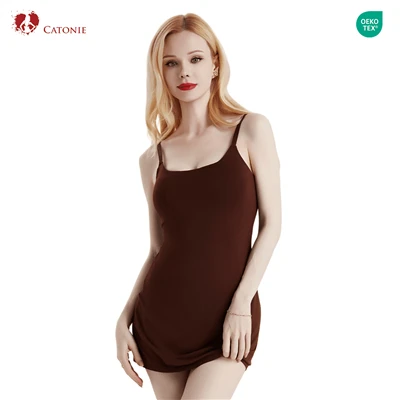
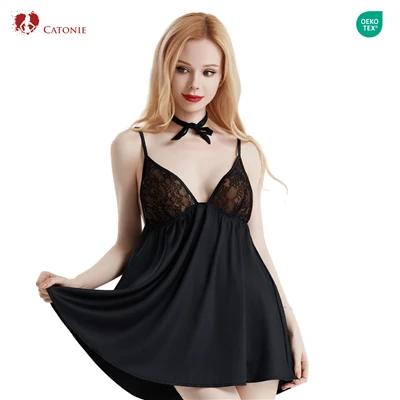
- Camisoles and sleepwear: Soft, lightweight fabrics with a natural drape are often a good fit. Modal, TENCEL™, cotton, and certain satin fabrics can all be considered during development.
- Shapewear: Stronger stretch and recovery are more important than softness alone. High-stretch nylon blends are often better suited to garments that need shaping, compression, and close body contact.
There is no permanent "standard fabric chart" that works for every lingerie style. Even two bras can have very different requirements if one is a lightweight lace design and the other is designed for stronger support. When developing a product, clearly communicating the style, target wearing situation, and desired hand feel makes fabric selection much more practical.
How Do You Choose Lingerie Fabric for Bras, Panties, and Seamless Styles?
When developing a new collection, it is more useful to start with the problem the product needs to solve than with a long list of fiber names. If softness is the priority, focus on the hand feel. If support is important, check stretch and recovery. If the goal is a seamless look, fabric thickness, edge finishing, and extensibility cannot be overlooked.
|
Lingerie Style |
Common Fabric Choices |
Key Considerations |
|
Everyday bra |
Nylon, cotton, lace, stretch-fiber blends |
Support, recovery, fit |
|
Lace bra |
Lace + nylon or stretch fiber |
Softness, lace stability, stretch recovery |
|
Everyday panties |
Cotton, modal, bamboo blends |
Softness, breathability, wash performance |
|
Seamless lingerie |
Nylon + elastane |
Extensibility, recovery, lightweight feel |
|
Camisole |
Modal, TENCEL™, cotton, etc. |
Lightweight feel, drape, skin comfort |
|
Sleepwear |
Cotton, modal, TENCEL™, satin fabrics |
Softness, skin comfort, ease of movement |
|
Sports bra |
Nylon, polyester, stretch fiber |
Moisture management, stretch, support, durability |
|
Shapewear |
High-stretch nylon blends |
Compression, recovery, dimensional stability |
A fabric table is useful for initial screening, but the final decision still needs to come back to the sample garment. Two fabrics can have similar fiber compositions and feel completely different when their yarns, knitting methods, weight, and finishing processes change. This is especially true for seamless and sports styles. Good laboratory numbers do not automatically mean the garment will still feel comfortable after several hours of wear.
What Happens When the Wrong Fabric Is Used for Lingerie?
A fabric is not automatically better just because it is softer or has more stretch. One of the easiest mistakes during product development is focusing heavily on one performance characteristic while overlooking the rest. Once the fabric and style do not match, problems can start showing up during sampling or even after bulk production.
Common problems include:
- The fabric is too soft: The bra cups may lose their intended shape, making the finished garment look less structured.
- The fabric has too much stretch: The lingerie may fit closely but create a restrictive feeling during long periods of wear.
- The fabric has poor recovery: A seamless style may look good when new but gradually loosen around the edges and key areas after several washes.
- The fabric is too thick: Lightweight camisoles and seamless styles can look bulky and may leave visible lines under outer clothing.
This is why fabric selection should not rely only on a supplier's recommendation. Once development starts, it is better to turn the shortlisted materials into actual samples and test them through wearing, stretching, and washing. Small issues are much easier to fix during sampling than after a large production run has already been completed.
How Should Brands Select Fabrics for Different Lingerie Styles?
If a brand plans to develop bras, panties, sleepwear, and sports lingerie at the same time, it is usually not practical to apply exactly the same fabric strategy to every product. Start by defining the wearing purpose, garment construction, stretch requirements, and target price for each style, then match the fabric to those needs. This makes sourcing easier and avoids sacrificing the finished garment experience just to use the same material across a collection.
During development, brands can shortlist fabrics in small quantities before moving into sample testing. Check softness, extensibility, recovery, changes after washing, and the appearance of the finished garment. When a style uses different materials, the lining, straps, elastic, and other components should also be tested together. CATONIE provides fabric matching, sample development, and OEM/ODM production support, helping brands refine fabric and pattern choices from an initial design concept or technical pack through to finished samples.
There is no single fabric that works for every lingerie style. Bras generally need support and recovery, panties prioritize softness and skin comfort, seamless lingerie needs lightweight fabric with stable stretch, and sleepwear benefits from softness and natural drape. Sports lingerie also needs moisture management, durability, and support. Defining these requirements early and confirming them through sample fitting and real wear testing makes it much easier to choose a lingerie fabric that actually works for the finished product.