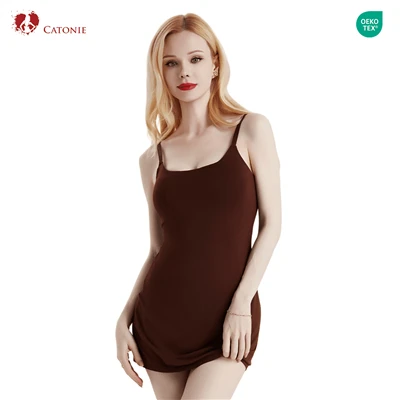
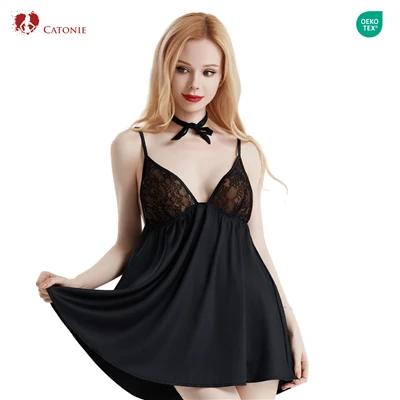
Many lingerie brands have a practical question when developing custom products: bamboo fabric sounds soft, breathable, and moisture-absorbent, but how does it actually feel when used for lingerie? Will it lose its shape after several washes? Is it suitable for long hours of close-to-skin wear? These questions cannot be answered by looking at the fabric name alone. Bamboo fabric can be used for lingerie, but the final result also depends on the yarn, fabric construction, blend ratio, and garment workmanship. Getting these details right before sampling and bulk production can save a lot of trouble later.
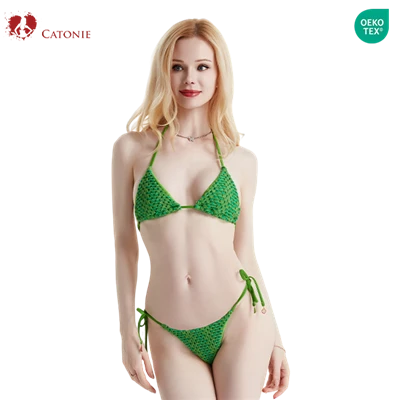
Is Bamboo Fabric Comfortable for Lingerie?
One of the biggest attractions of bamboo fabric for intimate apparel is its feel. Well-made bamboo fabric has a soft, smooth touch and feels gentle against the skin without an obvious rough texture. Its moisture-absorbing properties can also work well for everyday lingerie, especially in warm weather or when garments are worn for long periods.
That said, "bamboo fabric" does not mean every fabric will feel exactly the same. Different yarns and fabric constructions can create noticeable differences. Some fabrics feel soft and smooth, while others are lighter and thinner. Once a brand receives fabric samples, it is better to turn them into actual garments for wear testing instead of making a final decision based only on the fiber label.
What Are the Benefits of Bamboo Lingerie?
For lingerie designed for everyday close-to-skin wear, bamboo fabric has several practical advantages. It does not need to be heavy to provide a soft hand feel, making it suitable for lightweight lingerie, panties, and loungewear. For consumers, actual wearing comfort usually matters more than how premium the fabric name sounds.
- When developing custom lingerie, these characteristics are worth checking:
- Soft and gentle against the skin, making it suitable for basic lingerie designed for extended wear.
- Good moisture absorption, which can help reduce a noticeably damp or sticky feeling after sweating.
- Light and comfortable fabric texture, making it suitable for lightweight lingerie designs.
- Suitable for blending with other fibers, allowing brands to improve stretch, durability, and dimensional stability through different fiber combinations.
Bamboo fabric is a good option for products that focus on softness and everyday comfort, but it should not be treated as a one-size-fits-all material. Lingerie goes through repeated stretching, washing, and friction. A pleasant hand feel is only part of the equation. Brands also need to see whether the fabric can maintain its original performance after repeated use.
What Types of Custom Lingerie Are Suitable for Bamboo Fabric?
Bamboo fabric is not automatically suitable for every lingerie style. Different products place different demands on stretch, recovery, and structural stability. Everyday panties and lightweight lingerie usually place greater emphasis on softness, while sports bras and shapewear require more performance from the fabric.
|
Custom Product |
Suitability of Bamboo Fabric |
Key Development Focus |
|
Everyday panties |
Highly suitable |
Softness, moisture absorption, wash durability |
|
Lightweight bras |
Worth considering |
Stretch, recovery, and fit |
|
Camisoles |
Highly suitable |
Lightweight feel, drape, and comfort |
|
Loungewear |
Highly suitable |
Soft hand feel, breathability, and care performance |
|
Sports bras |
Better suited to blended fabrics |
Stretch, support, and durability |
|
Shapewear |
Usually requires other fibers |
High stretch, recovery, and structural stability |
From a product development standpoint, bamboo fabric is particularly useful for comfort-focused products. Styles that require strong elasticity, greater support, or frequent movement may benefit from using bamboo as one component of a blend with materials such as nylon or spandex. This approach can retain a soft touch while giving the finished garment more practical stretch and durability.
What Should You Consider When Customizing Bamboo Lingerie?
Many issues only become obvious once sampling starts. A fabric may feel extremely comfortable when it first arrives, but that does not guarantee the finished lingerie will feel the same. Washing, wearing it for a full day, and repeatedly stretching the fabric can all change its performance. If a brand plans to sell bamboo lingerie as a long-term product, these conditions should be tested before bulk production rather than discovered after the order has been manufactured.
Key points to check include:
- Recovery after repeated stretching, especially around the waist, bust, and areas that move frequently.
- Changes after washing, including length, width, and overall garment shape.
- Compatibility between the fabric and trims, since a soft fabric can still feel uncomfortable when paired with stiff elastic or rough seams.
- Consistency between production batches, as the hand feel should remain stable instead of being noticeably softer in one batch and firmer in another.
Producing stable bamboo lingerie is not simply a matter of choosing the right fabric. The same standards need to be maintained from fabric sampling and garment development through bulk production. CATONIE can support fabric matching, sample development, and OEM/ODM production based on a brand's product requirements, while considering bamboo blends, garment performance, and future mass production together. For brands developing comfort-focused lingerie, adjusting the fabric and finished garment as part of the same development process can be more practical than sourcing bamboo fabric separately.
Bamboo fabric can be a suitable choice for custom lingerie, particularly when softness and everyday comfort are important product features. Everyday panties, lightweight lingerie, camisoles, and loungewear can make good use of its soft and moisture-absorbing properties, while high-stretch and high-support products may benefit more from a blended fabric solution. The practical step is to test the fabric through sampling, garment development, washing, and repeated stretching before moving into bulk production. When the fabric remains stable and the finished lingerie feels comfortable, it becomes much easier to build consistent product quality over the long term.