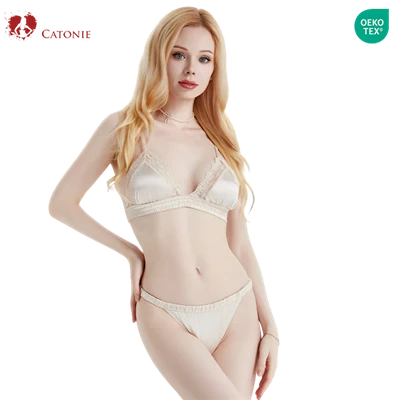
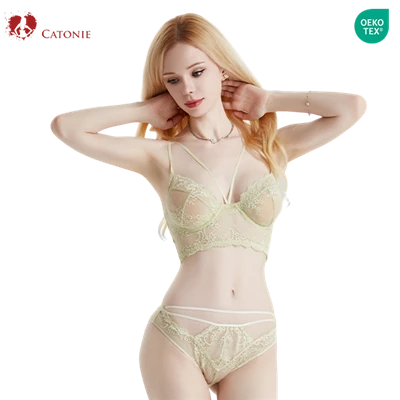
For many lingerie brands, fabric sourcing sounds simple until the actual samples arrive. Two fabrics may look almost identical on a screen, yet feel completely different in the hand. Stretch, thickness, color, recovery, and stability during cutting can all affect the final garment. Buying stock fabric is relatively straightforward, but custom lingerie requires more planning. Product design, fabric requirements, order quantity, and production all need to work together. The right sourcing approach is not simply about buying fabric; it is about finding material that genuinely supports the product and the brand positioning.

What Should You Prepare Before Sourcing Custom Lingerie Fabrics?
Custom sourcing should not start with sending a product photo and asking a supplier, "Do you have this fabric?" A photo can show the general appearance, but it cannot fully describe stretch, thickness, fabric construction, or wearing comfort. Before contacting suppliers, brands can organize their basic product requirements first. This makes communication much clearer and helps reduce repeated sampling and unnecessary revisions.
|
What to Confirm Before Sourcing |
What to Consider |
Impact on Production |
|
Product type |
Bras, panties, sleepwear, shapewear, sports lingerie, etc. |
Determines the basic fabric performance required |
|
Appearance |
Color, shine, texture, transparency |
Affects the final visual effect |
|
Wearing requirements |
Softness, breathability, skin feel, coverage |
Influences overall wearing comfort |
|
Stretch requirements |
One-way stretch, two-way stretch, high stretch, or standard stretch |
Affects pattern adaptation and fit |
|
Order quantity |
Samples, small batches, or regular bulk orders |
Influences MOQ and sourcing costs |
|
Brand positioning |
Everyday basics, premium lingerie, sportswear, shapewear, etc. |
Helps narrow down suitable material options |
If the brand already has a tech pack, it can be shared directly with the supplier. For brands without complete technical specifications, material selection can start with the product concept and style requirements. The clearer the initial information, the easier it is to connect sampling, quotation, and production.
What Details Should You Confirm When Sourcing Custom Lingerie Fabrics?
Once the sourcing discussion begins, the key question is often not simply whether a fabric is available. The real question is whether the material can consistently produce the garment the brand has in mind. Custom lingerie fabrics are closely connected with patterns, trims, lining, and manufacturing processes. A small change in material can affect the final result, so important details should be discussed before placing a bulk order.
- Color should not be judged only from a screen. It is better to check physical fabric samples and understand how color consistency will be controlled during bulk dyeing.
- Stretch direction needs to match the garment structure. For styles that require close body contact, the fabric's stretch performance can directly affect wearing comfort.
- Fabric hand feel should be evaluated in the actual product. A fabric that feels soft on its own does not automatically feel the same after being made into a garment.
- Sample and bulk fabric should maintain consistent material quality, color, and hand feel. This is especially important for brands developing products for long-term sales.
- MOQ, lead time, and customization costs should also be confirmed early. For smaller brands, controlling the pressure of the first fabric order can make a real difference.
These details may seem minor during the early discussion, but they can become real production costs later. Color and fabric hand feel are particularly important. If they are not confirmed properly before bulk production, making changes later can take more time and increase expenses.
How Should Custom Lingerie Fabrics Be Sampled? Why Sample Approval Matters
Custom lingerie fabric usually should not move directly from supplier communication to bulk production. Sample approval is an important step. Brands need to look beyond how the fabric feels in their hands and see how it performs in the actual product. A fabric may look beautiful on its own but produce a very different visual or wearing effect once turned into a bra, panty, or sleepwear piece.
- Check the color, texture, and overall appearance first.
- Test the fabric in the actual product style to evaluate how well it fits the garment structure.
- Stretch the fabric repeatedly and check whether its recovery remains stable.
- Check how it works with lace, lining, straps, and other trims.
- For long-term products, pay attention to changes after repeated wear and washing.
Finding a problem during sampling is not necessarily a bad thing. It is actually the right time to discover and fix it. Brands can adjust the fabric specification, color, or hand feel before bulk production begins, reducing the risk of repeated revisions and production rework later.
Where Can You Source Custom Lingerie Fabrics?
If a brand wants to handle both fabric sourcing and garment production, working only with a separate fabric supplier may not always be the most convenient option. In an OEM/ODM project, the fabric still needs to move into cutting, sewing, and finished garment production. A supplier that understands product design and can participate in material matching can make the entire development process more efficient.
- Brands with a complete tech pack can provide their specifications and let the supplier match suitable lingerie fabrics, reducing the time spent searching for materials independently.
- New brands can start by reviewing fabric samples and existing styles before gradually establishing their own material direction.
- Brands with a clear purchasing plan should confirm MOQ, sample costs, lead time, and long-term bulk supply capacity in advance.
- If a shorter product development cycle is important, it can be practical to work with an OEM/ODM manufacturer that can handle fabric matching, sampling, and garment production together.
CATONIE can support brands with lingerie fabric matching, sample development, and subsequent OEM/ODM production based on their design concepts or tech packs. For brands looking to launch collections quickly, market-oriented styles and material resources can also provide a starting point, with fabrics, silhouettes, and colorways adjusted to match the brand positioning and target market.
When sourcing custom lingerie fabrics, the real question is not simply "What fabric can I buy?" It is whether the material can consistently become the product the brand wants to sell. From preparing requirements and communicating with suppliers to sample approval and bulk production, every step can affect the final cost and garment quality. Clear communication at the beginning can reduce unnecessary revisions later and make product development easier to control. CATONIE supports brands from fabric matching through OEM/ODM garment production, helping reduce unnecessary trial and error when developing new lingerie collections.