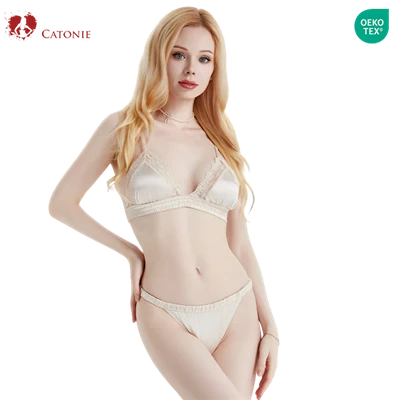
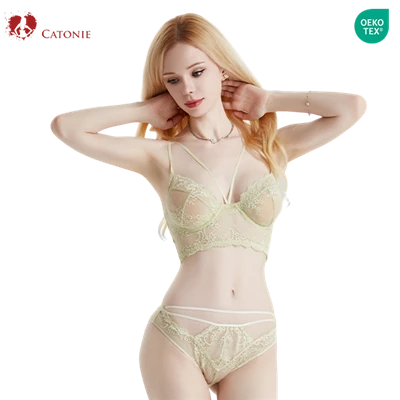
For sensitive skin, the biggest problem with underwear is often not the style, but how it feels after wearing it for a while. Rough fabric, stiff seams, or tight elastic can cause itching, heat, or uncomfortable rubbing, especially when underwear stays close to the skin all day. Many people search for the best fabric for sensitive skin underwear, but there is no single material that works for everyone. Cotton, modal, and bamboo blends are all worth considering. What really matters is how the fabric feels and performs after it is made into underwear.

What Underwear Fabric Feels Comfortable for Sensitive Skin?
When choosing underwear fabric for sensitive skin, softness, breathability, and low friction are good places to start. Natural fibers and soft regenerated fibers can offer a comfortable hand feel, but the fiber name alone does not tell the whole story. Two fabrics labeled cotton or modal can feel very different depending on the yarn, knitting method, fabric construction, and finishing process.
- Cotton underwear fabric has a natural hand feel and works well for everyday panties and basic underwear. It is familiar to consumers, but shrinkage, stiffness, and changes after repeated washing should still be checked.
- Modal fabric is generally soft and smooth with a comfortable skin feel. It is suitable for panties, camisoles, and lightweight underwear.
- Bamboo fiber blends offer a soft touch and good moisture absorption, making them suitable for selected close-to-skin products. The final feel can vary depending on the blend ratio and fabric construction.
- Nylon + elastane provides good stretch and recovery, making it useful for close-fitting underwear. For sensitive skin products, the surface softness and overall tension of the fabric should be checked carefully.
Choosing underwear fabric for sensitive skin is not simply about looking for the word "natural." Whether the fabric rubs, feels stuffy, or becomes stiff after washing is much more noticeable during everyday wear. For brands developing samples, testing the fabric as part of the finished garment usually gives a much clearer idea of whether the material is suitable.
What Should You Check When Choosing Underwear Fabric for Sensitive Skin?
The comfort of sensitive skin underwear is rarely determined by one fabric specification. Surface texture, stretch, fabric weight, finishing, and every area that touches the skin can change the wearing experience. Sometimes the main fabric feels soft, but the elastic is too stiff or a seam rubs against the skin, making the entire garment uncomfortable.
- The fabric surface should feel smooth and soft. Touch both sides of the fabric several times and check for roughness, especially around the panty gusset and bra lining.
- Pay attention to high-friction areas. Under the arms, beneath the bust, around the waist, and at the leg openings are common areas where rubbing can occur. Stiff fabric or binding can become much more noticeable after hours of wear.
- Avoid excessive compression. Sensitive skin underwear does not need to feel extremely tight. If the fabric creates strong pressure when stretched, long-term comfort may suffer.
- Breathability should be tested too. In warm weather or during extended activity, fabric that traps too much heat can quickly become uncomfortable.
- Check the fabric again after washing. Some materials feel exceptionally soft when new but become noticeably harder after several washes. This change is better discovered during sampling rather than after bulk production.
These details may seem small, but they can make a big difference once the material becomes a finished garment. For sensitive skin products, holding a piece of fabric in your hand for a few seconds is not enough. It is better to turn it into a sample and test it through actual wear and washing. This can reveal problems with the underwear fabric as well as seams, binding, elastic, and other components.
How Should You Choose Fabric for Sensitive Skin Underwear?
Sensitive skin underwear comes in many styles, and bras, panties, camisoles, and sleepwear do not have the same wearing conditions. They may be worn for different lengths of time and experience different levels of movement and pressure. Instead of using exactly the same material for every product, brands can select the fabric according to the purpose of each garment.
|
Underwear Product |
Fabrics to Consider |
Key Development Focus |
|
Sensitive skin panties |
Cotton, modal, bamboo blends |
Softness, gusset comfort, breathability |
|
Everyday bras |
Cotton, modal, soft nylon blends |
Lining feel, stretch, binding |
|
Lightweight camisoles |
Modal, cotton, TENCEL™-type fabrics |
Lightness, drape, skin feel |
|
Sleepwear |
Cotton, modal, bamboo blends |
Softness, breathability, long-wear comfort |
|
Seamless underwear |
Nylon + elastane |
Surface smoothness, stretch, seam comfort |
Even within sensitive skin underwear, daytime wear and sleepwear can have very different requirements. Products designed for frequent movement need stable stretch recovery, while sleepwear can place more emphasis on softness and lightness. The right fabric, combined with soft binding and carefully designed seams, can make the finished garment feel much more comfortable.
How Can Underwear Brands Develop the Right Fabric for Sensitive Skin?
Brands developing sensitive skin underwear do not necessarily need to lock in one fiber from the beginning. A better starting point is to define the product type, expected wearing time, and desired hand feel, then compare several underwear fabric options. Once the samples arrive, brands can touch the surface, stretch the fabric, wash it, and make sample garments for actual wear testing. This makes it easier to identify the fabric solution that really works.
If a brand already has a design concept or tech pack, it can also work directly with CATONIE. CATONIE can support material matching, sample development, fit adjustment, and OEM/ODM production, while helping select fabric solutions based on the positioning of each product. For sensitive skin underwear, where surface feel and small construction details matter, testing the fabric together with the finished garment can help reduce unnecessary revisions later.
There is no single answer to what the best fabric for sensitive skin underwear is. Cotton offers a natural and soft feel, modal is smooth against the skin, bamboo blends can suit selected lightweight products, and soft nylon-stretch fabrics are useful when close fit and recovery are needed. What matters is how the fabric performs once it becomes underwear: whether it stays soft, minimizes friction during movement, remains breathable during long wear, and keeps its hand feel after washing. Testing these details early gives brands a better chance of developing underwear that feels genuinely comfortable for sensitive skin.