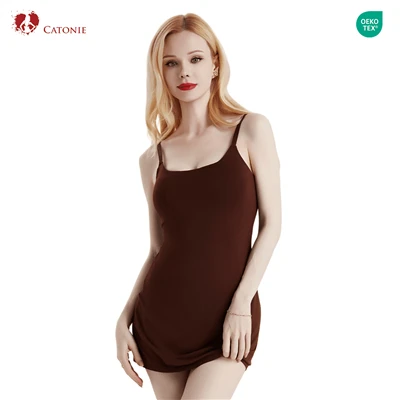
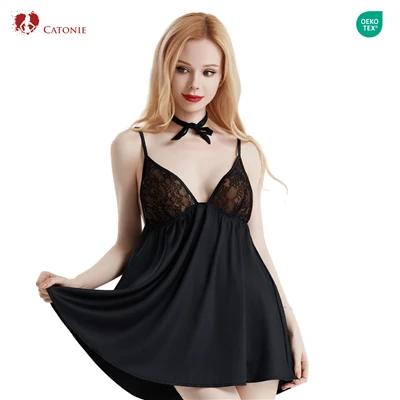
When the weather gets hot or physical activity increases, lingerie can quickly become damp, sticky, and uncomfortable. For people who sweat a lot, choosing the wrong lingerie fabric can make a well-designed garment feel hot and unpleasant after just a few hours. This is especially important for summer lingerie, sports bras, and fitted sleepwear. The fabric directly affects how comfortable the garment feels during wear. For brands developing products for this type of consumer, it is important to look beyond the fabric name and consider moisture absorption, sweat-wicking performance, breathability, drying speed, and stretch.

What Lingerie Fabrics Are Best for People Who Sweat a Lot?
For people who sweat heavily, the main goal is not simply choosing the thinnest fabric. The fabric should help move moisture away from the skin and prevent dampness from staying against the body for too long. A lingerie fabric that absorbs sweat but remains wet can still feel hot and uncomfortable. When developing summer lingerie or everyday intimate apparel, brands should pay attention to moisture management, airflow, and drying performance before deciding on the final material.
- Modal fabric offers a soft hand feel and good moisture absorption, making it suitable for everyday lingerie and basic fitted styles.
- Nylon-blend fabrics provide good durability and stretch. When combined with moisture-wicking structures, they can work well for sports bras and active lingerie.
- Performance polyester fabrics can dry relatively quickly and are suitable for active lingerie that needs to move sweat away from the skin, although softness and skin comfort still need to be optimized.
- Bamboo-based fabrics are generally soft and moisture-absorbent, making them suitable for intimate apparel designed around a lightweight and gentle wearing experience.
- Cotton-blend fabrics offer a familiar, skin-friendly feel for everyday lingerie. Pure cotton can hold moisture for longer, while blends can provide a better balance between comfort and moisture management.
The best choice does not always mean using one particular "premium" fabric. People who sweat a lot care about how the garment feels after several hours of wear. Moisture absorption, sweat-wicking performance, fabric thickness, drying speed, and skin comfort all need to work together.
How Should You Choose Lingerie Fabric for Heavy Sweating?
Even fabrics marketed as moisture-wicking can feel very different once they are made into lingerie. Yarn thickness, fabric density, material weight, and stretch can all affect how quickly moisture spreads across the fabric. When developing summer lingerie or activewear, brands should look beyond the fabric name provided by a supplier and evaluate how the material performs in real wearing conditions.
|
Lingerie Fabric Type |
Moisture Absorption |
Drying Speed |
Suitable Products |
|
Modal |
Good |
Moderate |
Everyday lingerie, sleepwear |
|
Nylon blend |
Good |
Fast |
Sports bras, seamless lingerie |
|
Performance polyester |
Moderate to good |
Fast |
Active lingerie |
|
Bamboo blend |
Good |
Moderate |
Soft, lightweight lingerie |
|
Cotton blend |
Good |
Moderate |
Everyday basic lingerie |
For products designed for office wear, commuting, and everyday use, softness and skin comfort are often key priorities. For running, gym workouts, and outdoor activities, fast drying and moisture-wicking performance become more important. After selecting the fabric, sample garments should be tested under actual wearing conditions to see whether the material becomes heavy, sticky, or uncomfortable when wet.
What Problems Can Heavy Sweating Cause When Wearing Lingerie?
Many lingerie styles feel comfortable when first put on, but problems can appear after the weather gets hot or the wearer has been active for a while. As sweat increases, the fabric condition, strap elasticity, and band fit can all change. During product testing, it is worth evaluating the garment specifically after sweating instead of checking only how it performs when dry. This gives brands a much more realistic picture of everyday comfort.
- The fabric absorbs sweat but dries slowly, leaving moisture inside the garment and creating a heavy or damp feeling after extended wear.
- The fabric is too thick, which can make the garment feel warmer and less comfortable after absorbing moisture, especially in summer.
- The moisture-wicking structure is not well designed, causing sweat to collect around areas such as the underbust and underarms.
- Stretch fabrics feel less comfortable when wet, making the garment stick to the skin and restricting movement during exercise or everyday activities.
The real test for sweat-friendly lingerie is how the garment performs while the wearer is moving. Brands should check whether the fabric remains lightweight after sweating, whether moisture spreads away from areas where it tends to collect, and whether the straps and band continue to feel comfortable. These details can be tested during the sampling stage before moving into bulk production.
How Can Lingerie Fabric Be Made More Comfortable for Heavy Sweaters?
Heavy sweating does not automatically mean that a product needs a purely performance-oriented fabric. In many successful products, fabric selection, garment construction, and fit work together to keep moisture from accumulating in one area while maintaining the support and softness expected from lingerie. Brands can select different fabric combinations for different target consumers and refine the final product through sample testing.
CATONIE has provided OEM manufacturing services since 2013 and has gradually developed its R&D team and ODM capabilities. During lingerie product development, the company can support material matching, sample development, and production optimization based on a brand's design concept or technical package. For summer lingerie, sports bras, and lightweight fitted collections, fabric hand feel, stretch, breathability, and wearing conditions can all be considered during product development.
For people who sweat a lot, the real test of lingerie is how it feels after several hours of wear, not just how it feels when first put on. Softness is only the starting point. Moisture absorption, sweat-wicking performance, breathability, and drying speed all need to be balanced. For brands, bringing these requirements into the fabric selection and sampling process can make it easier to develop lingerie that consumers actually want to wear regularly. For brands looking for OEM or ODM lingerie development, defining fabric requirements alongside real wearing needs can also make sampling and bulk production more efficient.